Understanding Ancient Near East influence on the Bible, and Past Secular Movements

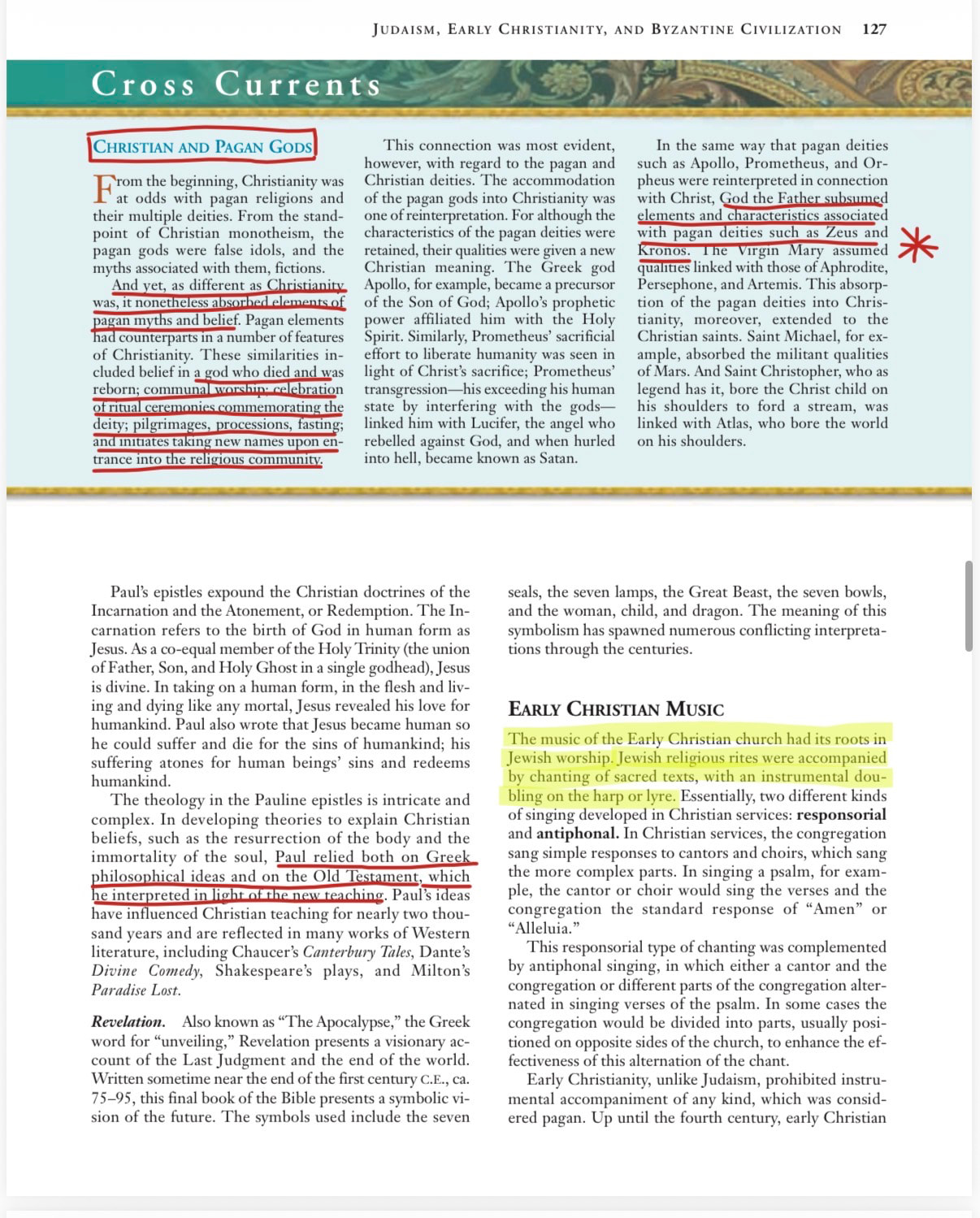
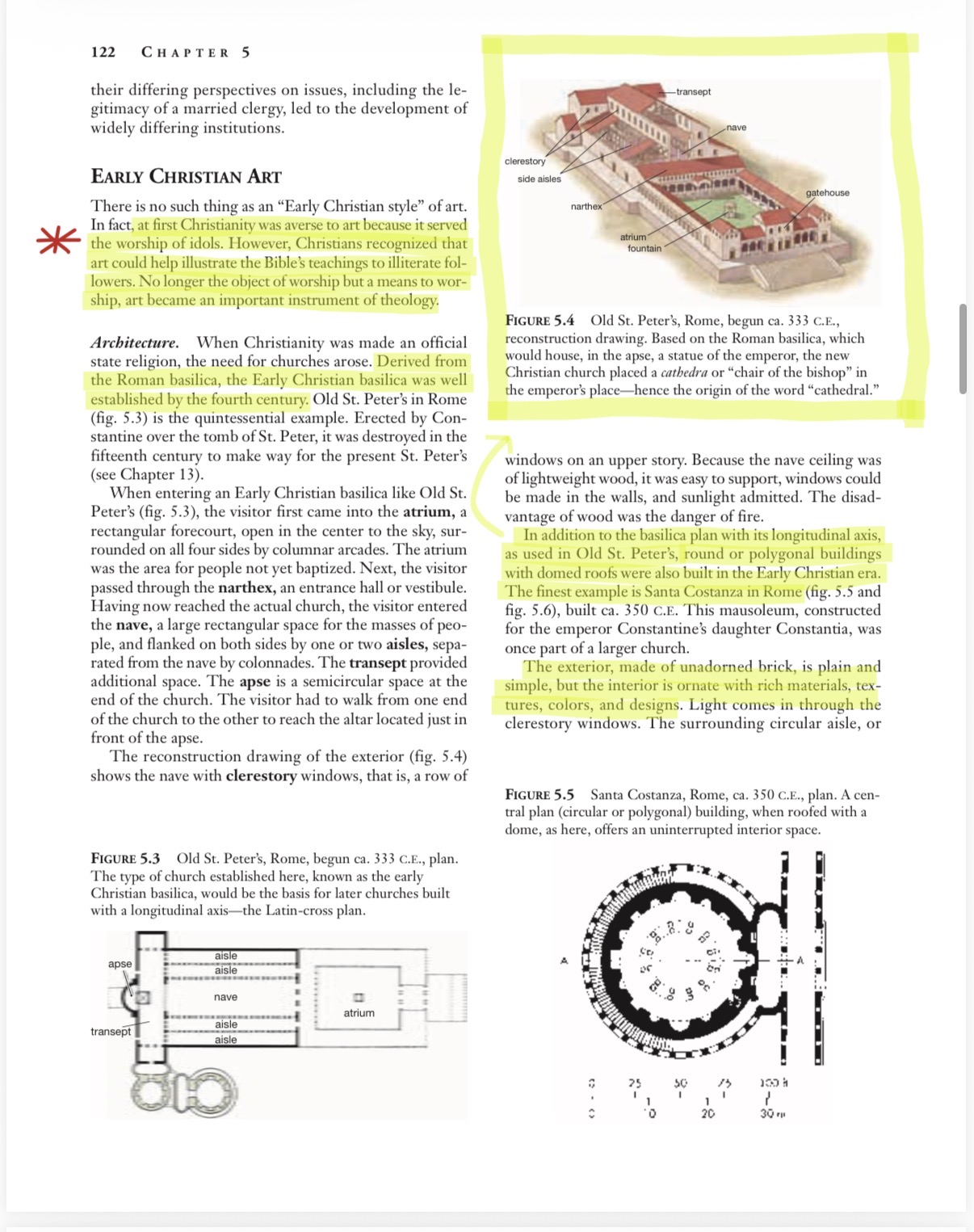
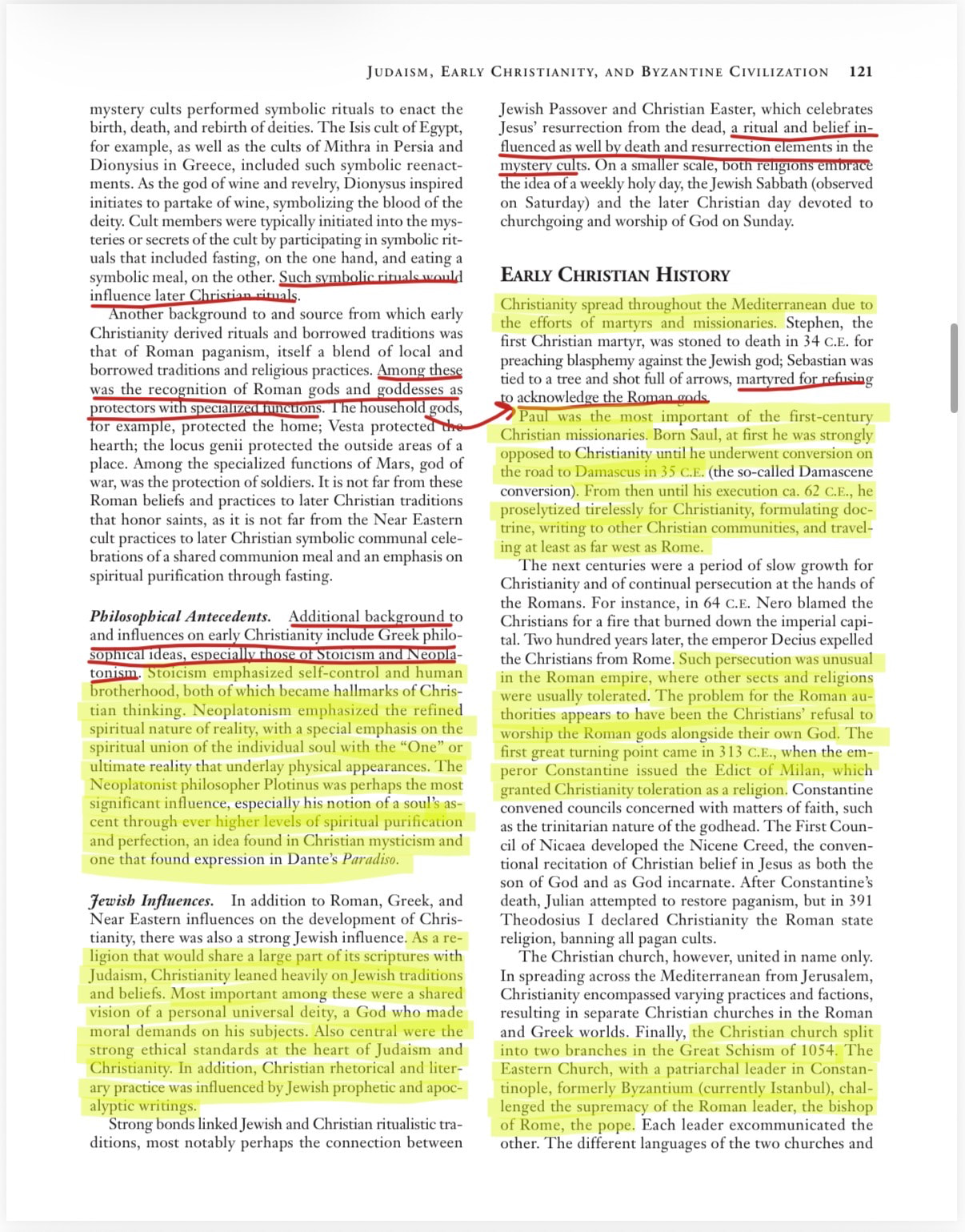
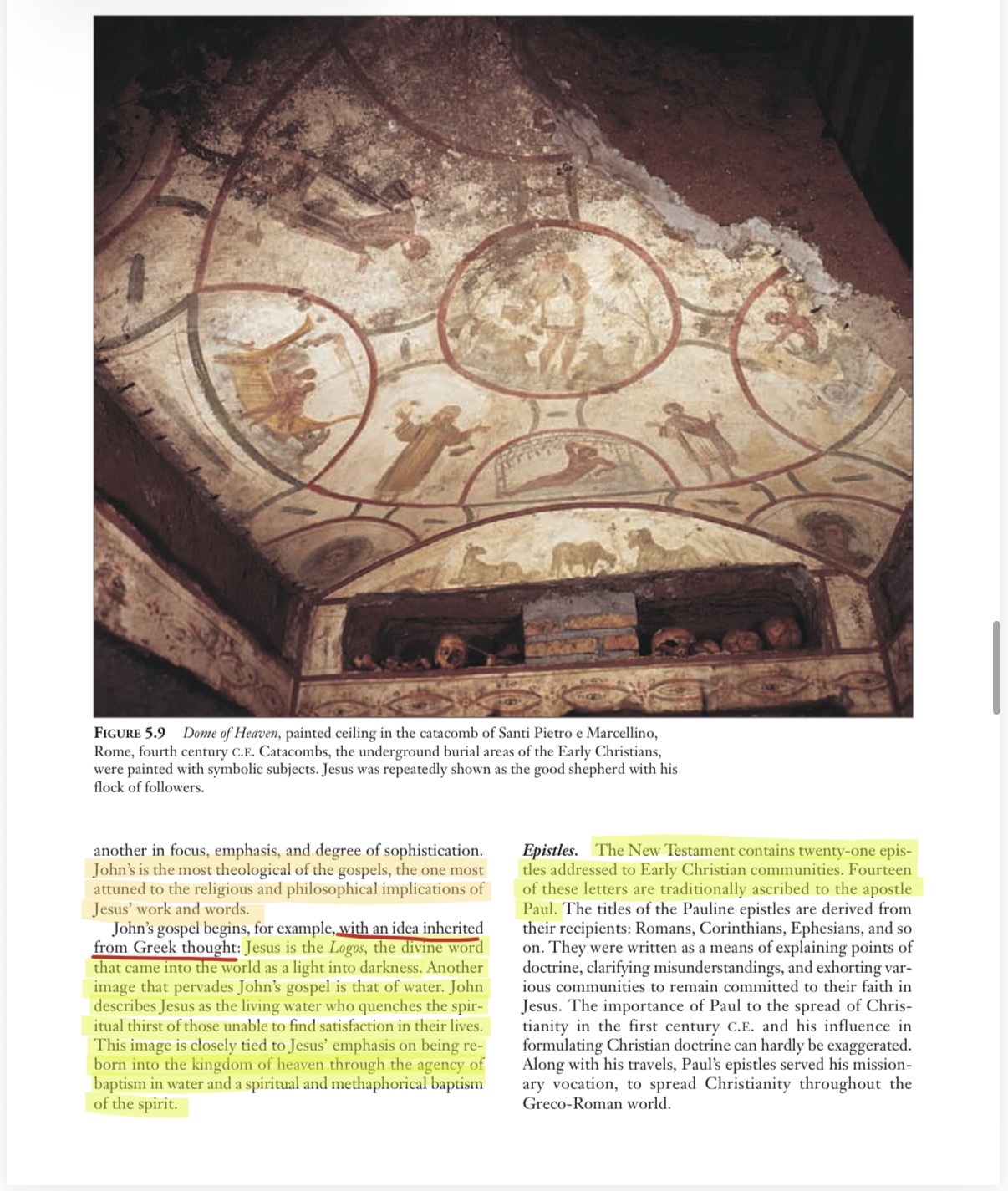
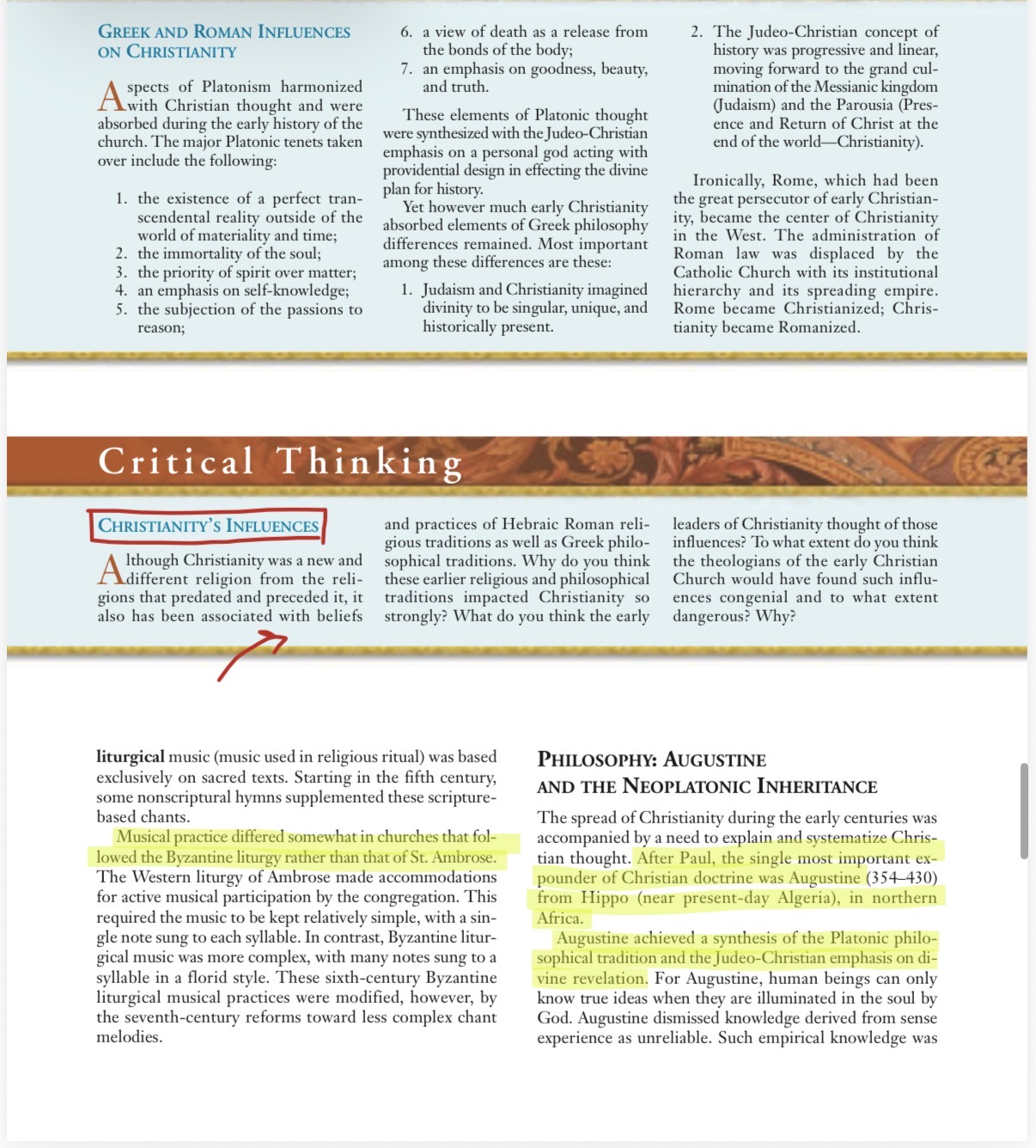
I have a bit of a tough question that has come about from past discussions with friends of mine as well as academic study: what are we to make of the supposed ancient near east religions in the Bible? The Epic of Gilgamesh, for example, pre-dates the Bible and some elements of the story can be seen in the Genesis creation stories. One of my close friends (I’m not entirely sure if this is factual or not) claimed that the Abrahamic religions were formed in opposition to the matriarchal religions that formed in close proximity (I.e. religions that worshiped “Mother Earth” were replaced by the religions that had “The Father” and “The Son”). An Intro to Humanities course I’m taking has also tried to point out some of these early concepts (those bits of the chapter of study below).

On top of this, my course also makes some references to movements away from religion in the past, such as in the Enlightenment. What am I to make of past attempts to move toward secular goals?

  • I’m confused. It looks to me like your post is about three different issues.
    • 1st Issue: Question 1: Did biblical texts emerge in an ANE cultural environment and sometimes interact with older Near Eastern stories? That is a normal historical-literary question.
    • 2nd Issue: Question 2: Were the Abrahamic religions basically a reaction against nearby “matriarchal” religions?
      That is a broad civilizational claim from your friend, and it is not established by the textbook excerpts you posted. The screenshots shown are mostly about Christianity’s later interactions with Greek, Roman, Jewish, and philosophical currents.
    • 3rd issue: Question 3: How should Christians think about historical secular movements like the Enlightenment? That is yet another issue, again separate from whether Genesis has ANE parallels.
  • The first question I have is: which of those three questions do you want a response to first?
2 Likes

What are your text book sources, please? Titles, authors and publishers please? Sources (and what is behind them) matter.

Also, what other background do you have related to the history and/or development of Christianity? History of the church? Important people in the development of Christianity?

If it has only been at church you will definitely be dealing with your own feelings of culture shock.

2 Likes

Probably in order, if you could. Thank you again for the help

1 Like

The textbook is Arts and Culture, An Introduction to Humanities

Janetta Rebold Benton, Robert DiYanni

Combined Volume, Fourth Edition

1 Like

I think it is important to remember that God has always revealed himself to people in a culture who speak a language and have a communal history. The story of encounters with God always fit in somehow with the narratives and concepts that people have constructed to make sense of their lives and existence. Religious experiences have to fit, or they would be meaningless.

So it is unsurprising and expected that the Hebrew scriptures rework and redefine and co-opt elements of the wider ANE literary, philosophical, and religious culture and the Gospels and Paul’s letters borrow and link to elements of Greek and Roman culture. These cultural aspects were part of the community’s cognitive landscape and provided common ground for understanding truth.

All religions are contextualized in a culture, including our own version(s) of Christianity. The line between contextualiation and syncretism is tricky some times, but it’s always going to be something we deal with. We simply can’t unenculture ourselves or unlearn our language and come to Christianity with a blank slate. We have to incorporate truth in to what we already know and believe about the world and ourselves. Our worldview will be challenged and shaped and possibly changed in important ways, but it won’t be completely replaced.

6 Likes

For background in the history of the faith, I simply know that a lot of the Old Testament locations and people were indeed real, and New Testament more so

2 Likes

I think I’m just experienced some minor fluctuations in anxiety over this. For some reason, I’m still a bit anxious when I ponder the things that opposing sides online say. I still recall one social media account that sternly subscribed to the notion that Christianity was a completely and utterly false belief. It had posts like “Apologests: if you throw stuff at the ground, it won’t create order.” And then shows a neat and orderly arrangement of atoms (which I think was a dumb argument because ignores the premise that the argument is meant to question where the order came from). I think I’m having a problem swallowing the fact that there are accounts out there that pump out/constantly repost arguments against Christianity and, to my weak mind, there seems to be no other way to deal with it except pretend it doesn’t exist. I think there is still just a lot in deal with as I’m working through some things.

This is actually that account I’m talking about. I had accidentally stumbled upon it when looking at the social media of Hugh Ross (founder of Reasons to Believe):

You might really like John Walton and Brent Sandy’s book The Lost World of Scripture. It covers how texts functioned as authoritative in the ancient world, and it’s very different than modern constructs of inerrancy and verbal inspiration. Some of these questions stem from imposing modern Christian ideas of what the Bible is and does onto texts that weren’t generated under the same expectations. It’s not dealing specifically with these questions you have, but it speaks to the presuppositions that lead people to those questions and helps you rethink how revelation functioned in a different time and place.

3 Likes

Again, I’m not trying to be wishy-washy. Sometimes I just feel like I have two different fronts coming at me at once.

1 Like

Especially since science has not, so far, been able to disprove any Christian dogma; at most, it has challenged a simplistic and literalist reading of Genesis.

And that was by no means a foregone conclusion. Science could, for example, have shown that the Gospels lack any real historical foundation (as history is a science albeit not a “hard” one), and that belief in the New Testament and in the Church’s teaching rests on nothing more than blind faith and wishful thinking. But it hasn’t done so. On the contrary, the findings of the Third Quest have pointed in the opposite direction.

Science could also, in theory, have demonstrated that consciousness has purely material origins (which would have entailed far more than the revision of a few minor points: it would have disproved one of the central Christian dogmas, one taught by Jesus himself in the Gospels, and it would have undermined the credibility of any supernatural account of encounters with the dead, including the apostolic witness [ Even if their claim was different, namely, that he had actually risen from the dead and that they had not merely seen his spirit, if the brain were shown to be so deceptive as to mislead billions of people, there would be no rational reason to believe that, in this particular case, no such deception had occurred.] This doesn’t mean that one would, in such a case, be logically compelled to reject the Resurrection accounts, as one could believe, in principle, that the resurrection accounts were real; but there would be no rational reason to believe that they had truly occurred rather than being merely fabrications of the apostles’ brains, just as the billions of people who have claimed to interact with spirits would, in that scenario, have been deceived by their own minds).

Yet it hasn’t, in fact, an increasing number of neuroscientists today argue that materialism rests on shaky foundations.

What I mean is that science has had, and still has, the theoretical capacity not merely to reshape certain Christian interpretations of Scripture (for example, by challenging a literalist reading of Genesis—which does nothing to disprove that God may at some point have endowed two human beings with souls and that they subsequently sinned), but to disprove some of the most fundamental dogmas and doctrines proclaimed from the very beginning. Yet it has not been able to do so, nor will it ever be able to do so.

And this is simply because the Bible and the Church teach the truth. Not that they are intended to convey literal truth in every particular, but they do faithfully teach the truth in matters fundamental to faith and morals.
Try to keep in mind that people make militant atheist (or militant Christian) content and seek out conflict on the internet because they are trying to resolve their own hurts, doubts, questions, and needs for peace. They are usually fighting the way they are (in this way that makes you feel unsettled and off-balance) because of their own past traumas. They have developed coping mechanisms, many of which aren’t exactly healthy. Maybe if you can remind yourself to respond to their content with empathy and curiosity instead of defensiveness (even if it feels hostile to you), you will be able to approach their ideas with less anxiety. It’s okay to label lots of stuff you see from others a “you-problem.” We don’t need to pick up everyone else’s mental or emotional burdens, and it’s good to keep in mind that everyone is hurting and trying to make sense of their pain and often lashing out at what (or who) they think hurt them.

5 Likes

I think we generally separate the tool kit of observational science from the tool kit of historical investigation though, at least around here. History is undoubtedly shaped by the tellers of history, and no matter how many facts in the Bible can be verified by witnesses and primary accounts, it’s still testimony not observations that we have to go on.

2 Likes

Yep, which is why I said that science is not a “hard” science. ;))

But it can still be called a science, even Popper said as much, and he offers a useful way to think about history as a science without confusing it with the natural sciences.

In The Open Society and Its Enemies (page 516 of this pdf and 469 of the actual book https://cdn.oujdalibrary.com/books/998/998-the-open-society-and-its-enemies-new-one-volume-edition-%28www.tawcer.com%29.pdf ), he writes that “the sciences which have this interest in specific events and in their explanation … may … be called the historical sciences.”

In other words, for Popper, history isn’t unscientific simply because it doesn’t formulate universal laws like physics; rather, it belongs to a different family of sciences, one concerned with the rational explanation of particular events. History, then, can be understood as a science in a broad sense, even if it is not one of the “hard” sciences.

  • Yes. Biblical texts arose in the ANE world and sometimes interact with older Near Eastern stories. That is a normal historical observation, not a refutation of Scripture. The real question is not whether there are parallels, but what the biblical writers are doing with those parallels.
  • Having said that, I add:
    • When I say Genesis “interacts” with older Near Eastern material, I don’t mean anything mystical or hand-wavy. I mean something fairly concrete that historians and literary scholars can point to.
    • Take the flood narrative as the clearest example. There are earlier Mesopotamian accounts (like the Epic of Gilgamesh and the Atrahasis story, which are two different stories) that include:
      • a divine decision to send a flood
      • a chosen man warned in advance
      • instructions to build a large boat
      • preservation of animals
      • the use of birds to test whether the waters have receded
    • Those are specific shared elements, not just vague similarities. So “interaction” here means that Genesis is not the only ANE text that tells a flood story. It is has a known story-pattern that already existed in that region.
    • But that still leaves open what it is doing. And this is where the important distinctions begin. Genesis does not simply repeat those stories. It changes them in ways that are hard to miss:
      • In Mesopotamian versions, the gods send the flood for reasons like overpopulation or noise; in Genesis, the flood is tied to moral corruption.
      • In Mesopotamian stories, the gods are divided and even afraid of the flood; in Genesis, there is one sovereign God in control.
        * The survivor in Gilgamesh becomes quasi-divine; Noah remains human and under God’s authority.
    • So the “interaction” is not just copying. It looks more like working within a shared story-world but telling a very different kind of story with it. And that’s the key point:
      • The existence of shared elements shows that Genesis belongs to the same historical world as those other texts. It does not, by itself, tell us whether Genesis is dependent, correcting, simplifying, or doing something else entirely. That is a further interpretive question, and it requires argument, not just pointing to a textbook.
6 Likes
  • Only two?? :laughing:
2 Likes

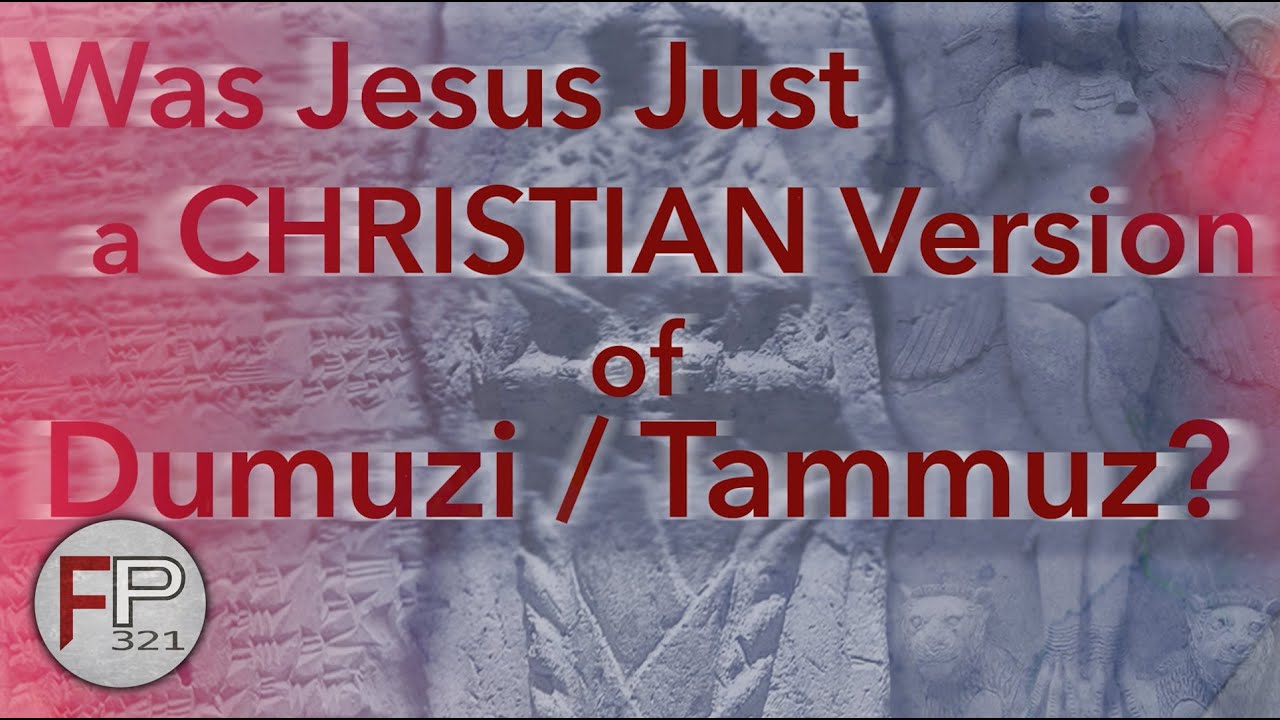
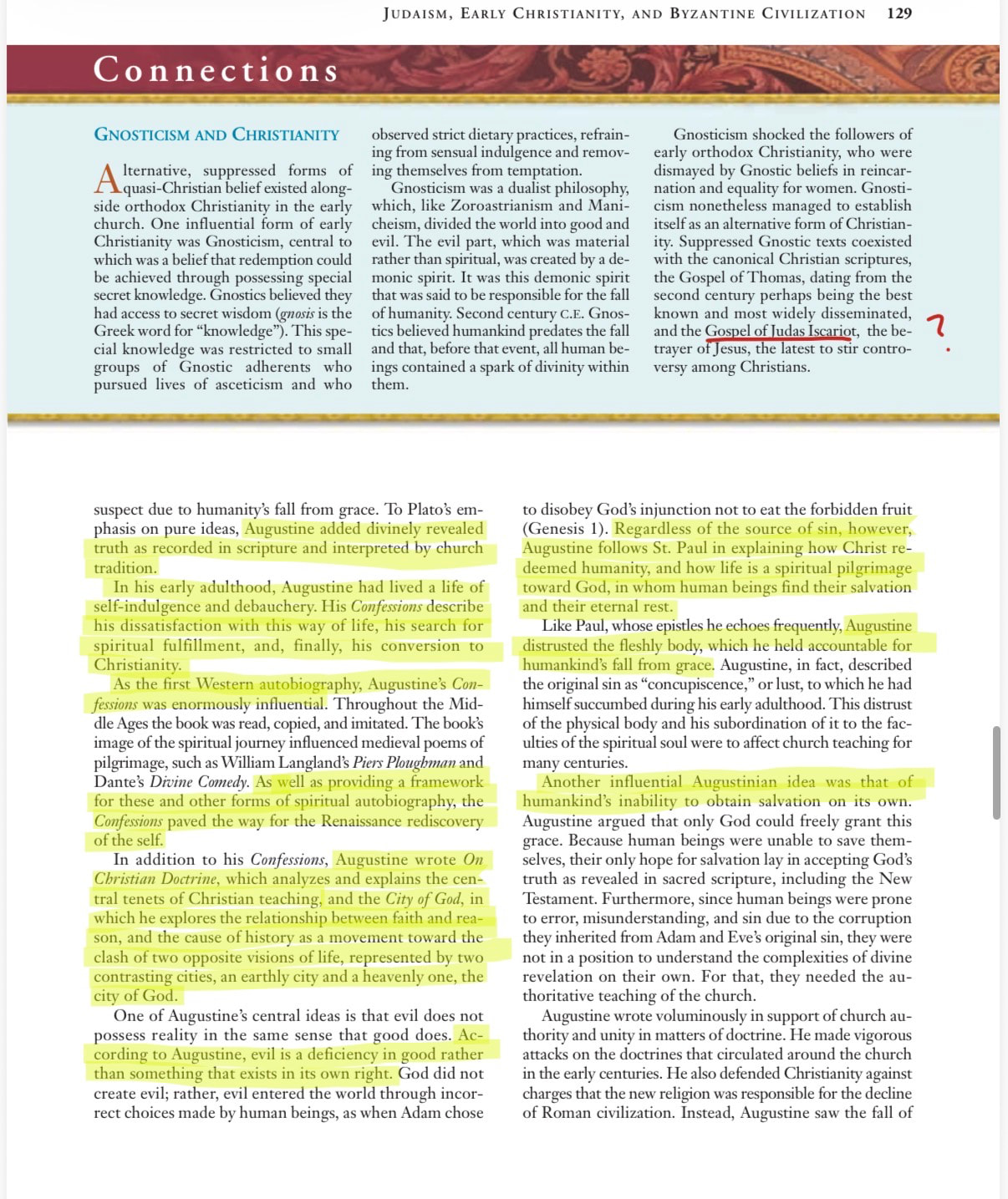
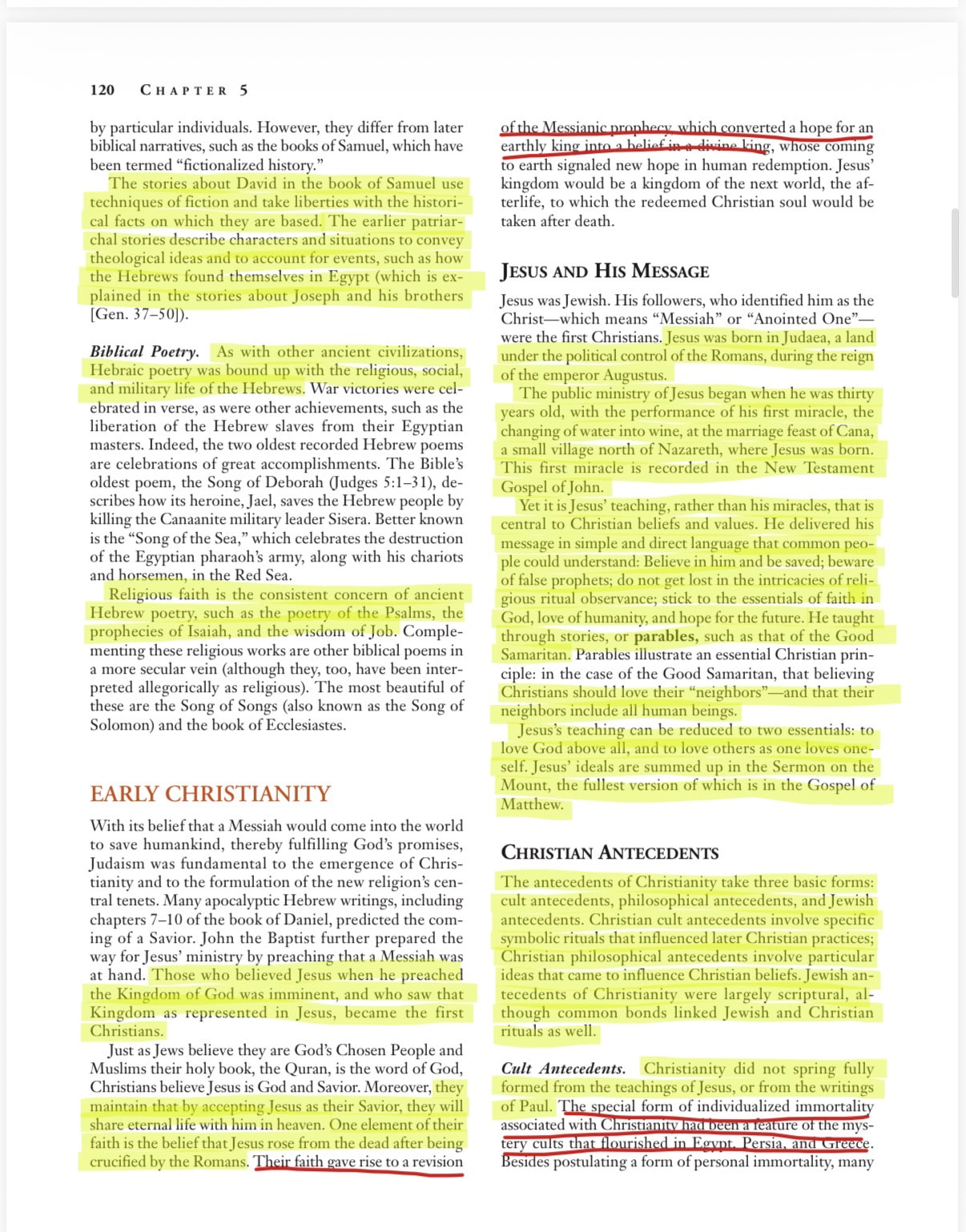
My textbook has tried to make parallels between several “rise from the dead gods” and Jesus, often stating that Jesus was “inspired” by them.

Dr. Heiser did an analysis on one of these claims:

1 Like

Two at a time; I have a whole list I’m working through of things I’m working out :smiling_face_with_tear:

2 Likes

Can you provide the exact page number and wording? Because there’s an important difference between:

  • a textbook noting that scholars have compared religions or identified motifs, and
  • a textbook asserting that Jesus was derived from or “inspired by” those myths.
  • I’m still interested in an answer to my question, however, what you say that your textbook tries to do–i.e. make parallels between several “rise from the dead gods” and Jesus–seemed, IMO, so ridiculous that I had to check to see if Superatheist, Bart Erhman, is saying the same stuff. Surprise! Bart does mention the standard list: Osiris, Tammuz/Dumuzi, Attis, Adonis, etc., but he does not use them as a strong case that Jesus was patterned after pagan dying-and-rising gods. His position is closer to the reverse: the category is disputed, the evidence is thin, and the early Christian claim about Jesus belongs to a completely different conceptual world.
3 Likes