Nature Photos Around the World

Absolutely. Without warm clothes and warm houses freezer temperatures are challenging or possibly even deadly. I have discussed with homeless people when temperatures went to -20 C (below zero F). They are facing really hard times in those conditions. Some tried to sleep in such places as newspaper collection boxes but otherwise, they need a warm sleeping place to survive.

Being prepared means for example that if you plan to drive through a sparsely inhabited region, you should have such clothes in the car that you can survive a day in the cold - cars are not always reliable when temperatures drop to really cold.

Here, people are reminded to be prepared for exceptional situations. Everybody should have necessities for 72h without electricity in their house, and the houses should have secondary warming systems in case the primary heating system fails.

Electrical blackouts have been less of a problem after the companies were given both demands and benefits for digging the power lines into the ground, instead of having power lines that hang in the air. Storms do not usually affect the power lines that are beneath the soil surface. Only the main power lines, 110 kW or above are all still hanging in the air. It would be expensive to replace them with ground lines but even that is discussed for safety reasons - as our eastern neighbour is somewhat prone to aggression, we have to prepare the society for any kind of damage or crises.

Ice is problematic even with electricity, both for humans and animals. A freezing rain can result in elevated levels of accidents and animals having difficulties in getting through the hard surface of the snow.
Currently, we get low levels of wind energy because the blades of the wind mills are covered with ice. Only a small proportion of the blades are equipped with heating systems. Without such systems, there is a need for warm weathers or strong winds to get rid of the ice. That is a problem because a fairly large share of the national electricity is generated with wind - much more than with fossil fuels (less than 2 % of the energy was produced with coal, oil or natural gas).

5 Likes

They obviously weren’t recording our campus thermometers!

2 Likes

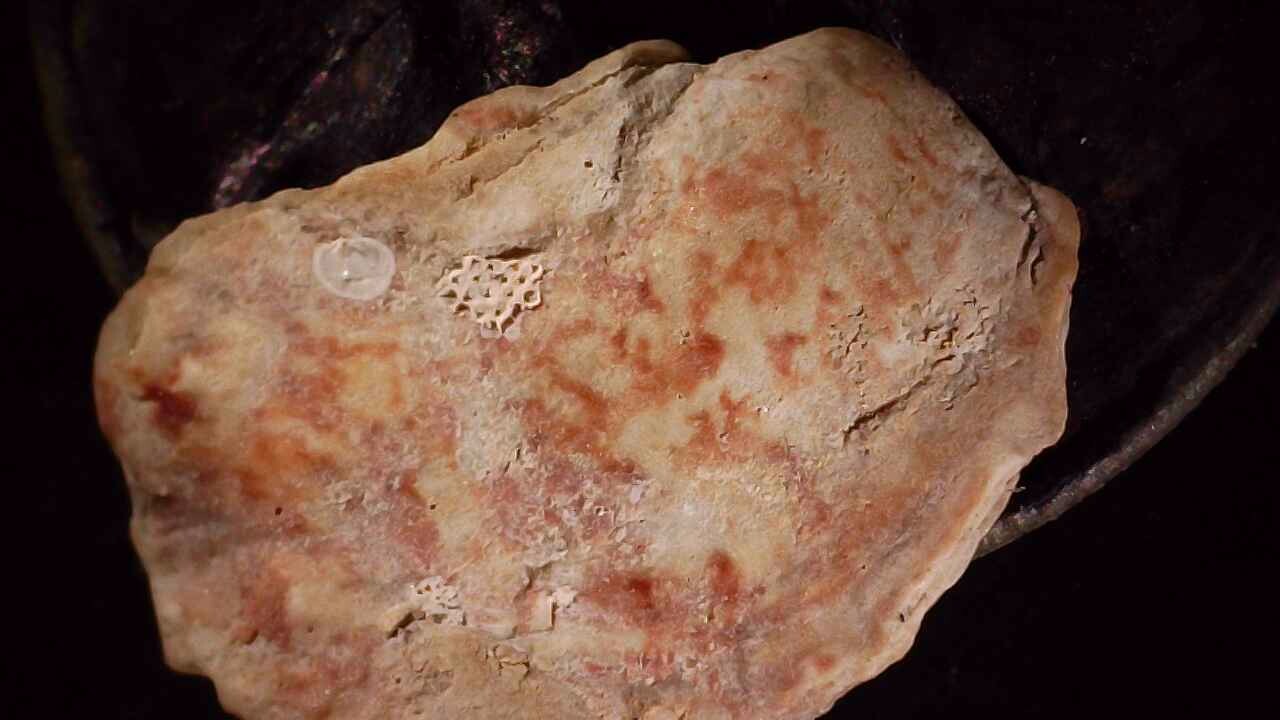
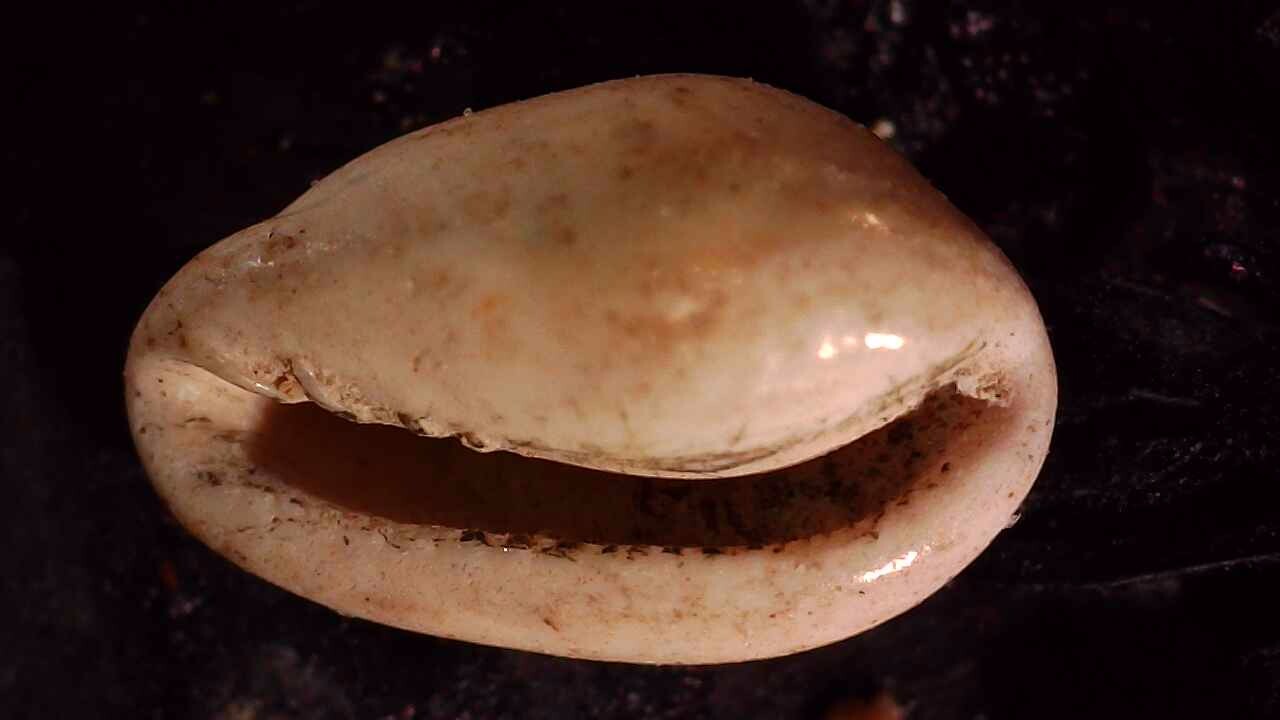
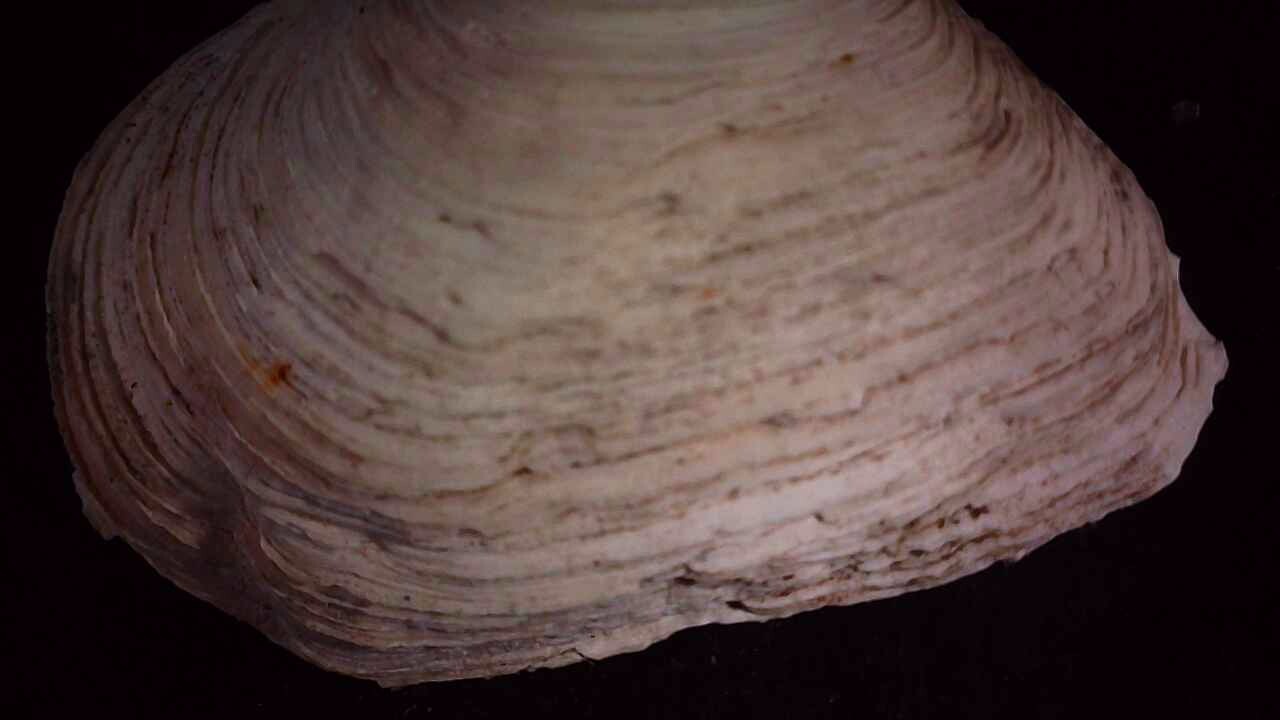
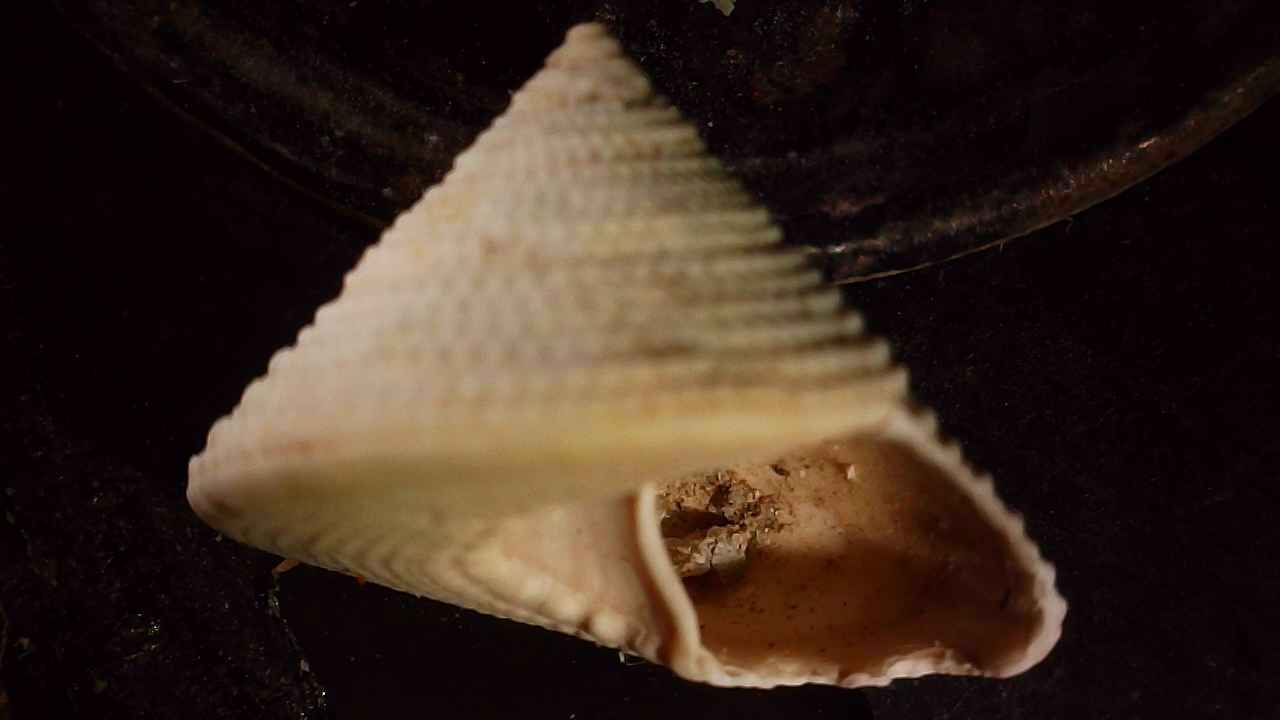
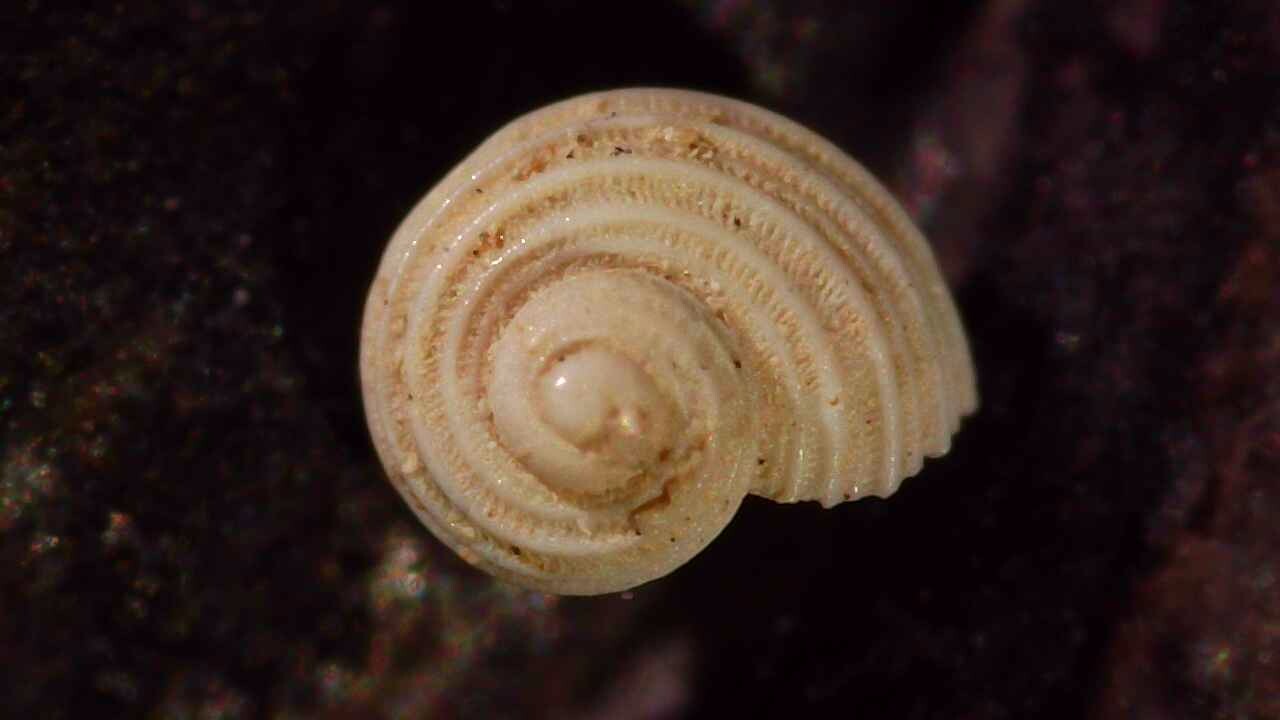
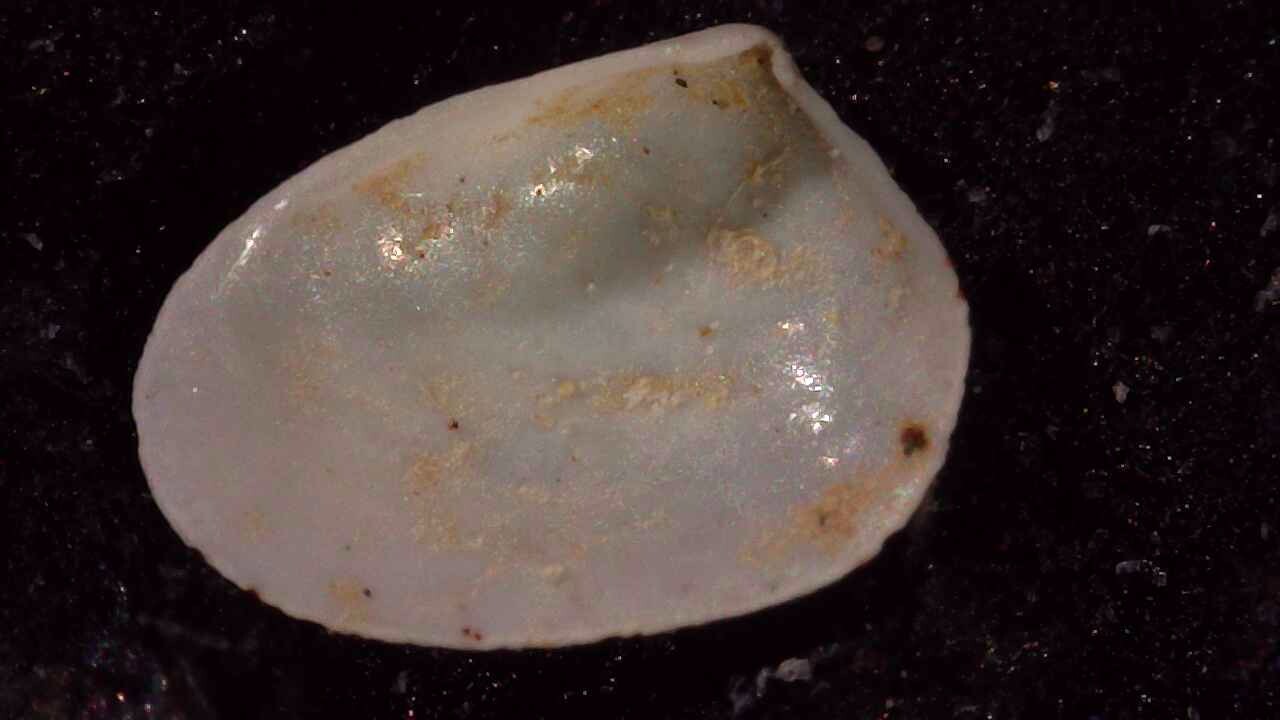
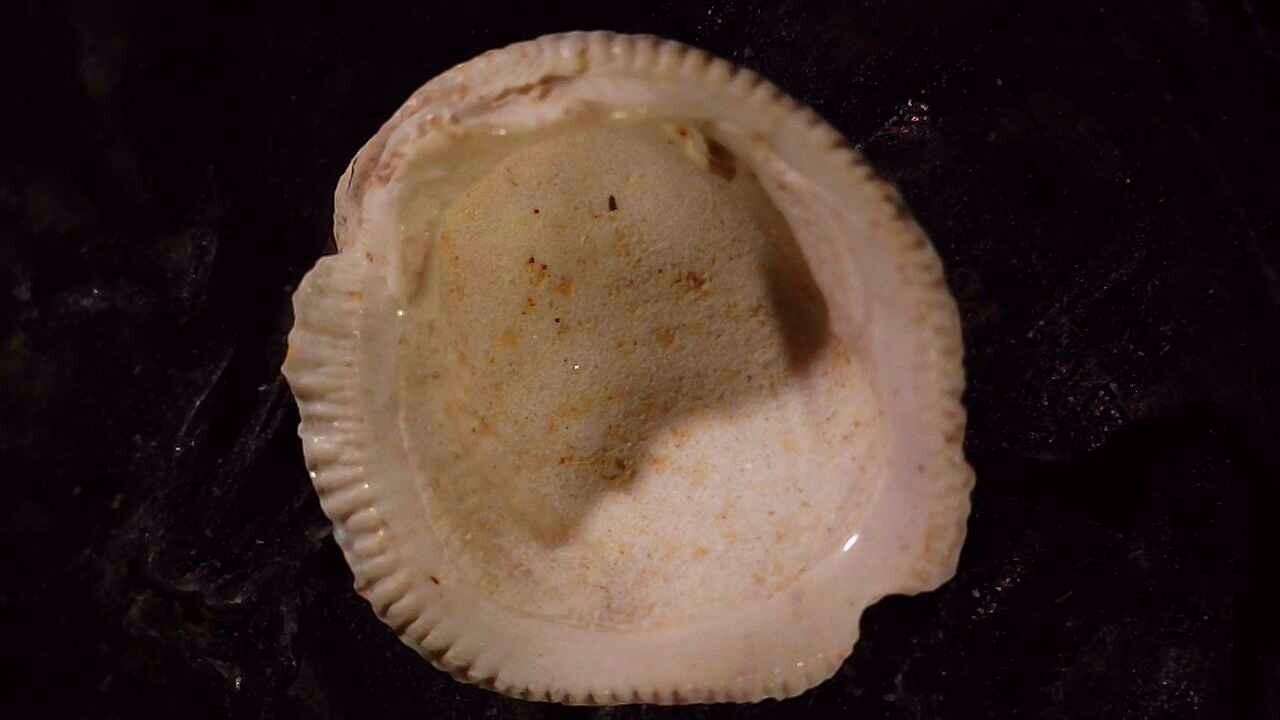
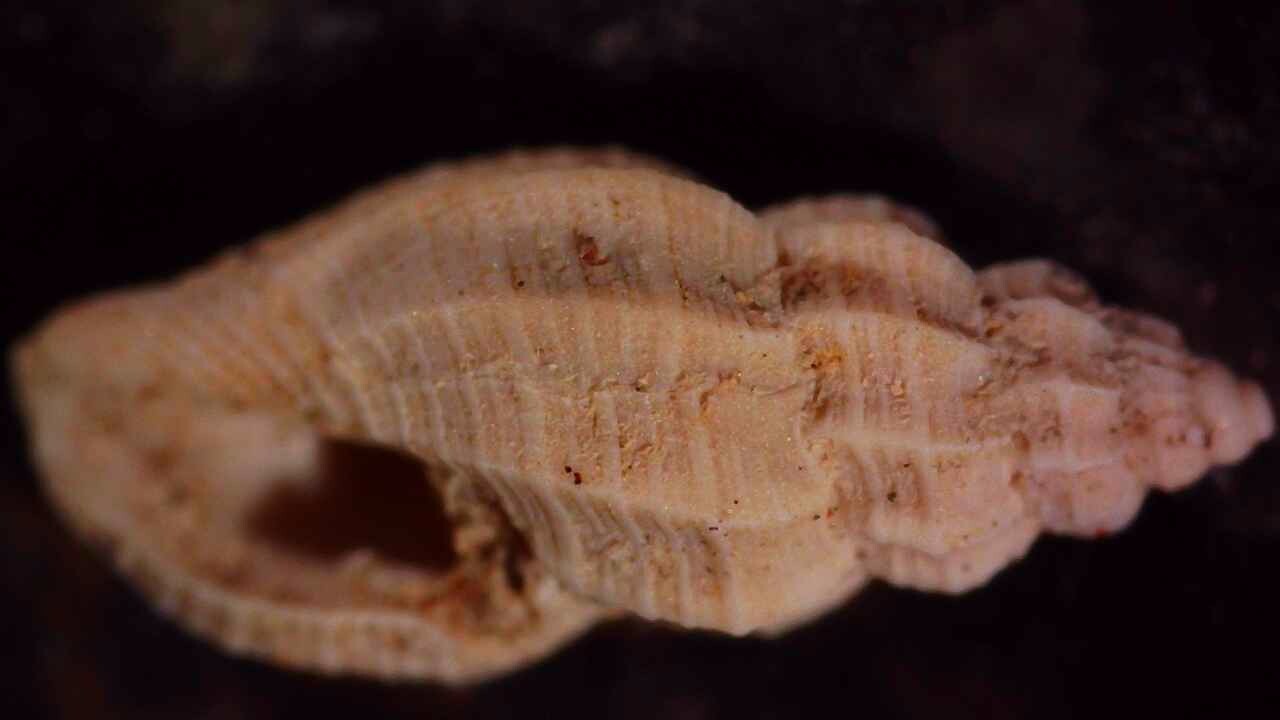
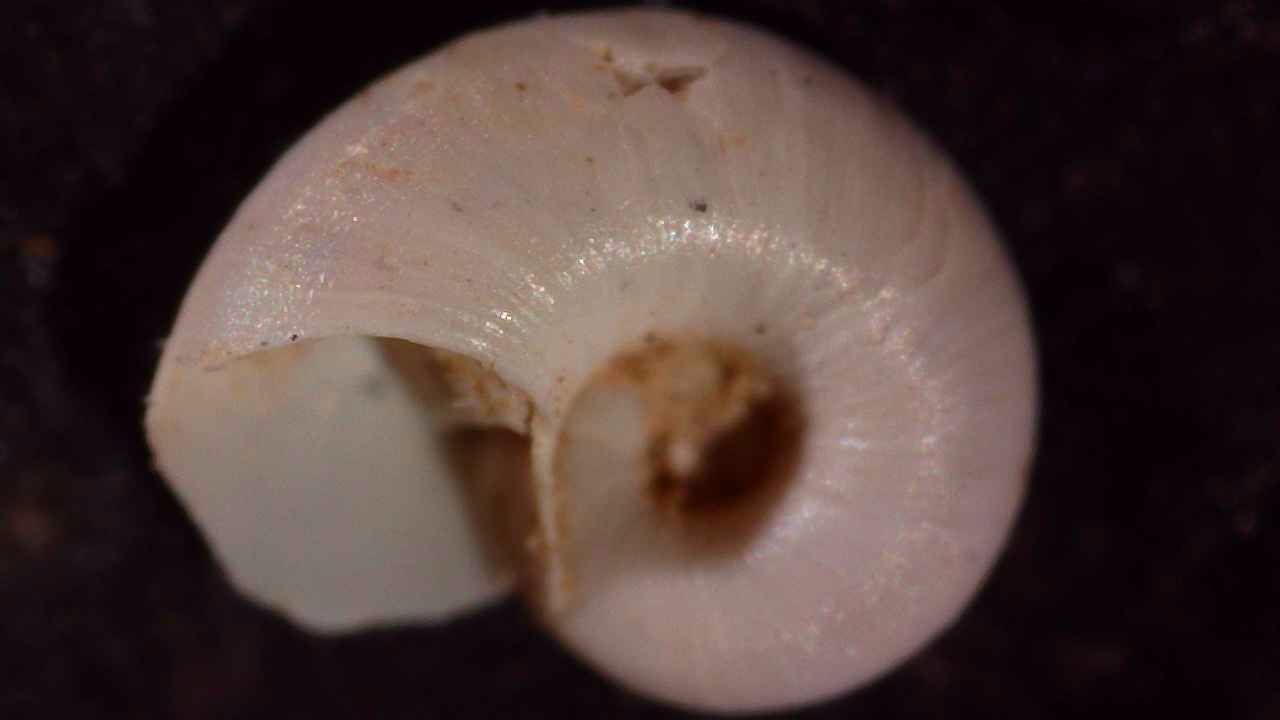
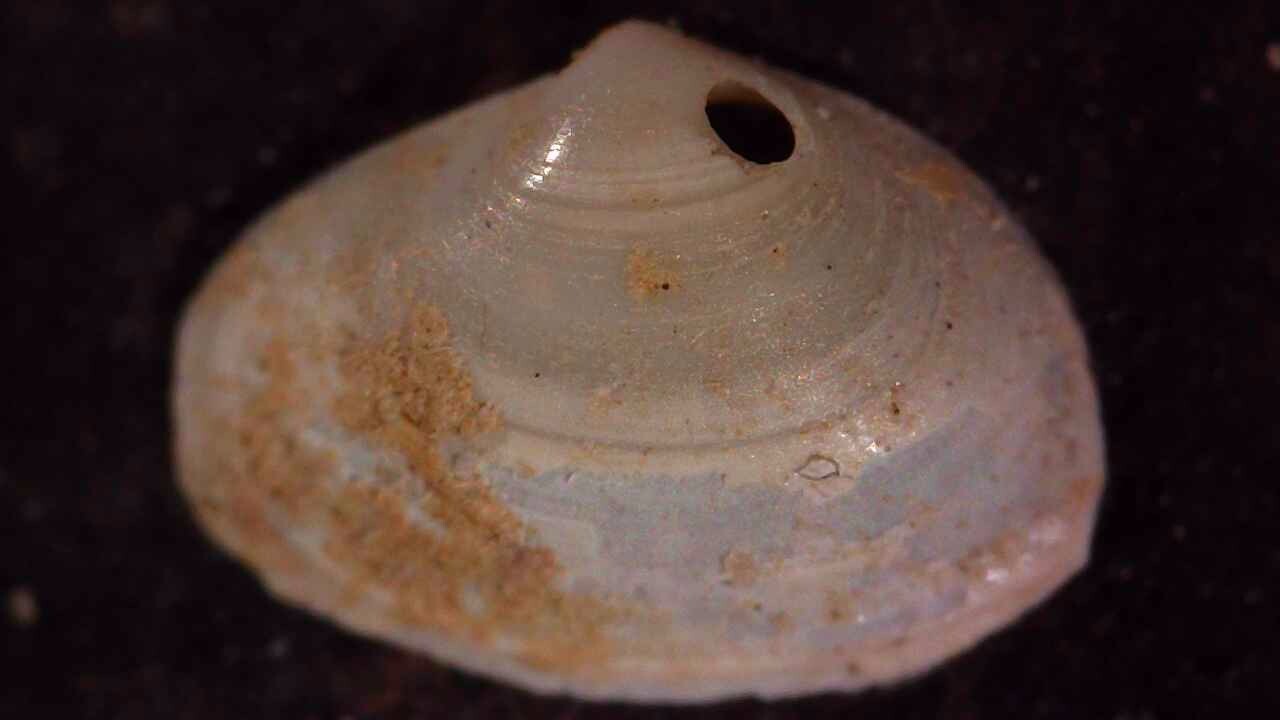
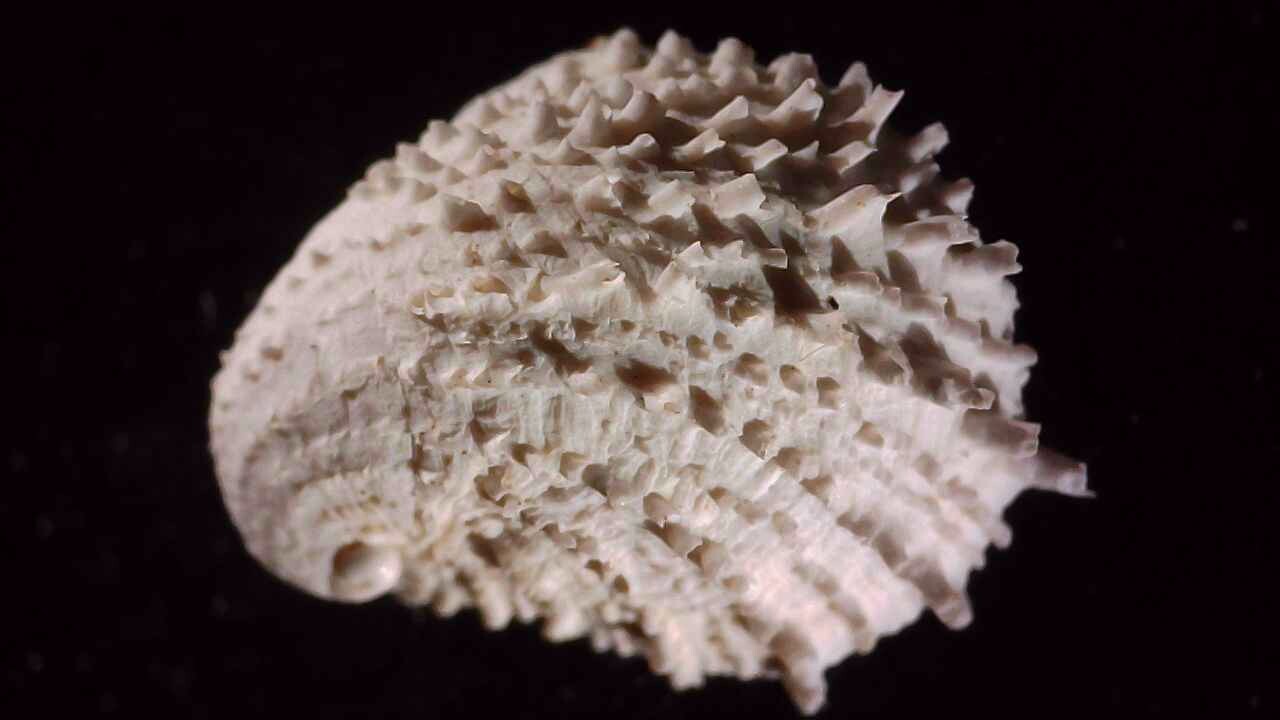
It’s been a while since I posted a set of them, but I’ve had reason to take a number of additional pictures with the camera microscope over the last two and half years; here are every 500 (minus the one that’s of a specimen from the Smithsonian and thus I’m not allowed to post it online).

16500: juvenile Bostrycapulus aculeatus slipper shell

17000: juvenile Hyotissa haitensis foam oyster

17500: Granulina margin shell

18500: ventral half of a Cumingia subtellinoides

19000: Calliostoma

19500: Haplocochlias

20000: Kurtiella

20500: juvenile Chama jewelbox

21000: Glabrocythara mangelia

21500: Cochliolepis scale snail (they live commensally under the scales of scale worms)

22000: Mulinia surf clam

6 Likes

Why are you not supposed to post your photo of the Smithsonian’s specimen?

1 Like

Nice. Is that round hole in the shell on the last one from a snail?

2 Likes

That’s one of the rules they give with the form for getting permission to visit the collections and photograph specimens. Exactly why beyond that, I do not know. The other two museums that I’ve visited have similar rules, so it seems to be standard.

2 Likes

Yes. At that size, it would be from a young juvenile naticid (moon snail).

1 Like

Odd. They don’t make that form readily available for public view. I’m curious what the verbiage is, if you don’t mind.

It’s in one of the forms that gets emailed to the person requesting permission to photograph specimens. I can’t find it on the website, and I know where it should be if it were findable on there. If I recall correctly, the issue is basically that the images belong to the institution, not the photographer. I’ll try to find the email with the form.

It’s not really important. Mostly I am curious and very suspicious of their right to make the demand or claim.

But I’m not a lawyer.

1 Like

They (the Smithsonian and the North Carolina Museum of Natural History) basically ask for the same treatment of images of their types takes by a visiting researcher as if they were taken by a staff member–they can be on the institution’s database, they can be used in journal articles, not in anything that earns the photographer any money, and all uses require some form of notice to the institution (sending them a copy of the journal article is the usual approach). I think they’re technically under a special version of a creative commons-type copyright held by the institution.

2 Likes

I liked this video my friend Ken took in San Diego where he lives now, having moved there from Michigan. Wanted to see if @klw had found him on Facebook. His bird photos are entertaining even to a plant lover like me.

4 Likes

Hi Mark,

What a colourful and engaging video clip of comorants just “doing their thing”. I just checked out Ken’s page and there are indeed some fantastic photos there. He clearly has a talent and a good eye. Thanks.

4 Likes


Not entirely sure how I made this a reply to you. But too lazy to redo it.

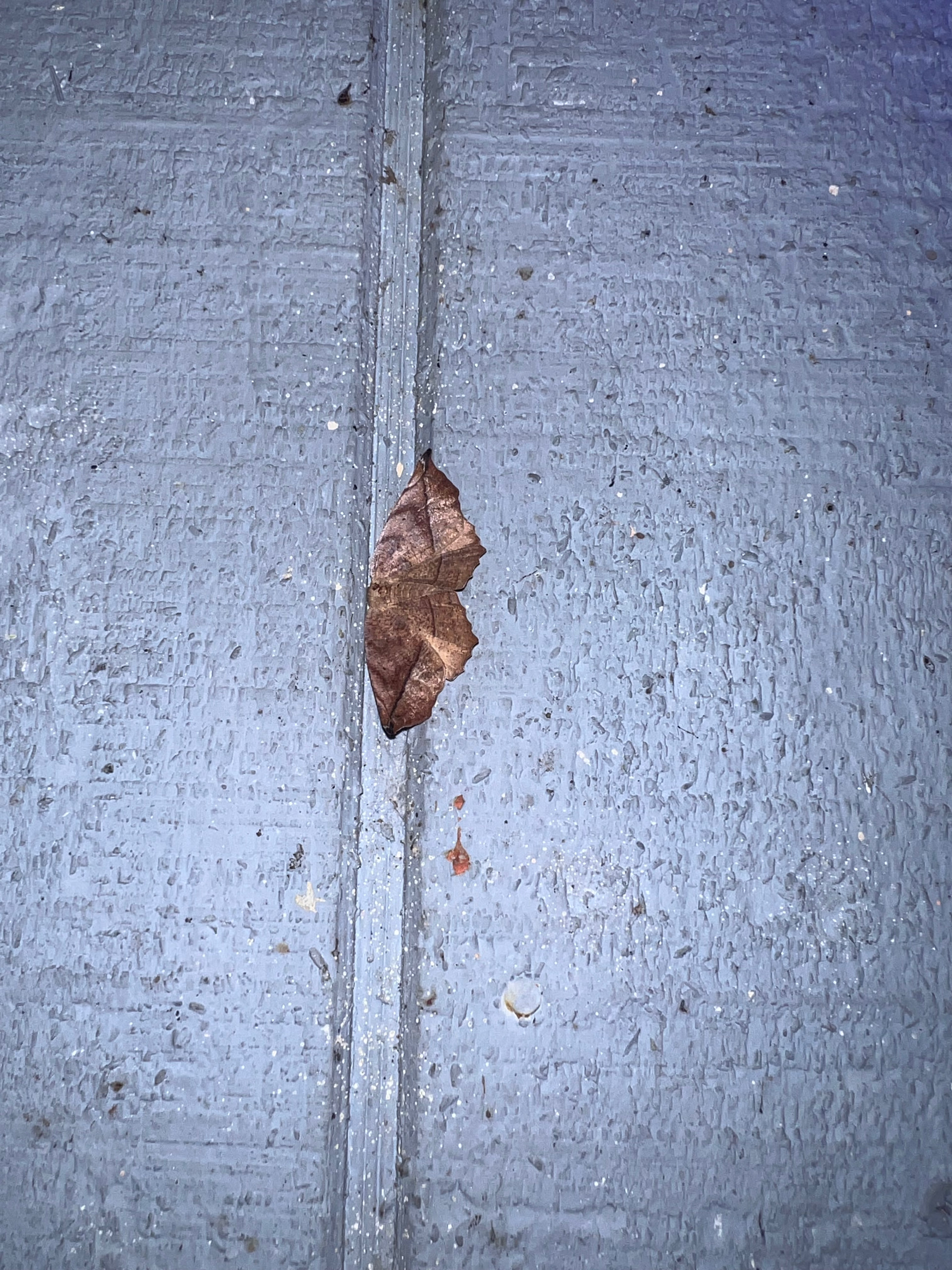
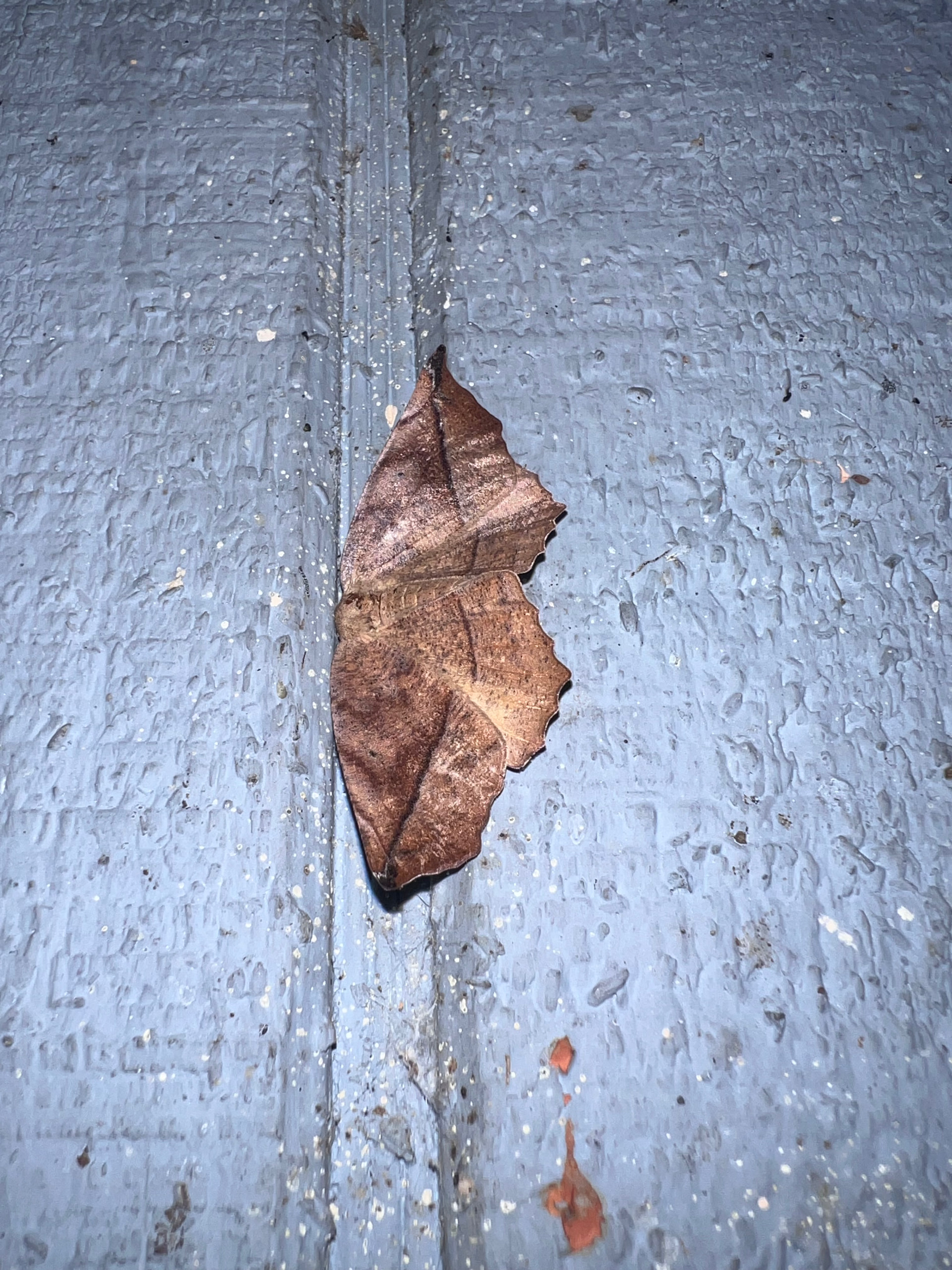
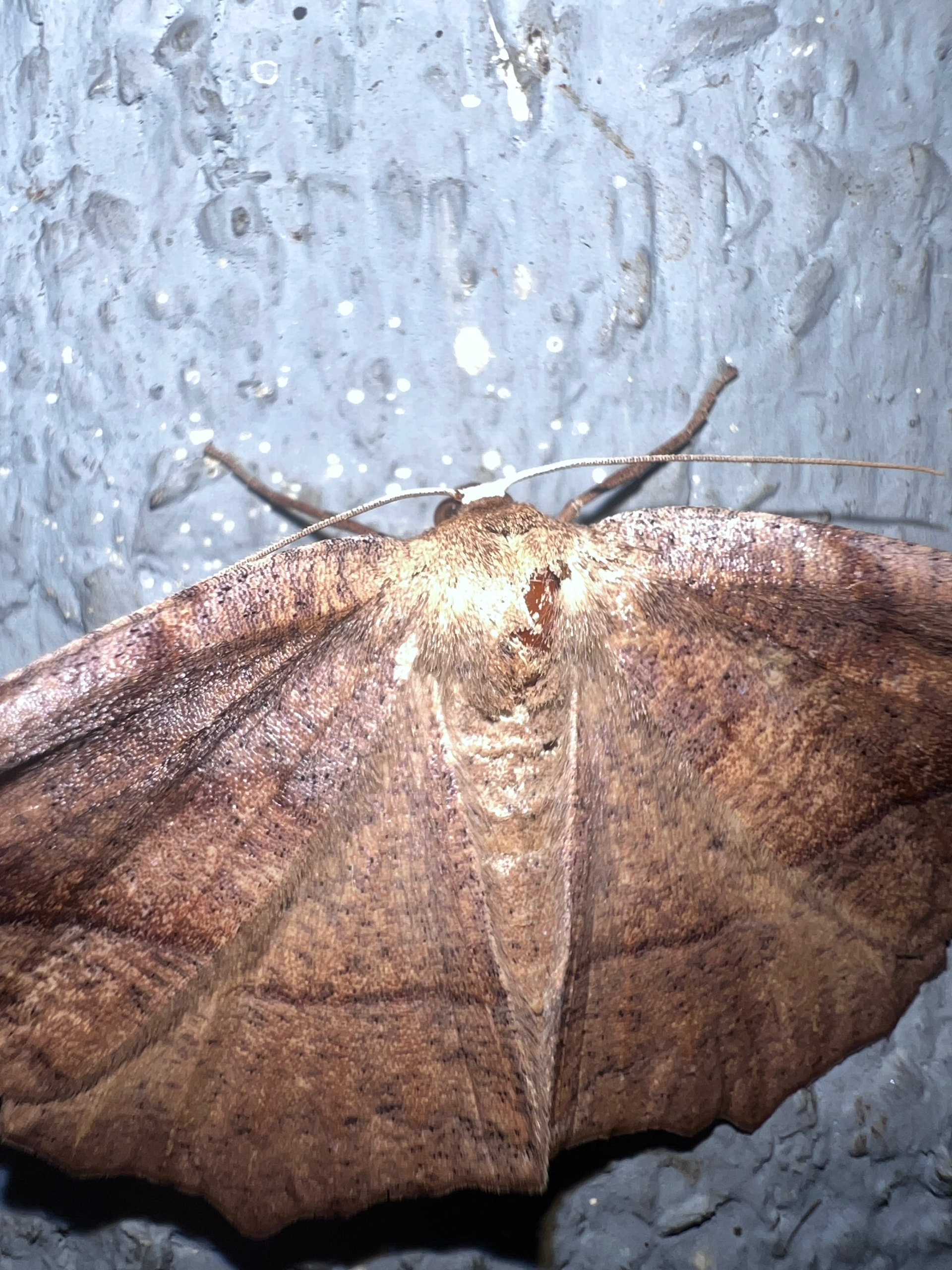
A moth that when their head is tucked and their legs hidden looks an awful lot like a dead brown leaf.

8 Likes

I’m glad you had good company for such a happy outing. But I am puzzling over what NYD might stand for. The first two letters scream New York to me but that can’t be right.

It seems to be a temporal designation, so I venture “New Year’s Day”.

2 Likes

@St.Roymond puzzled it out: New Year’s Day.
; )

Meeting @Klax in person and getting to hang out together with him and my family was a real delight. What a great gift.

1 Like
Apistos wanted to know where to find a fossil of love.  As a paleontologist, that seemed like an appropriate challenge for me to take on.  

We’re going to the outcrop
And we’re going to get bur-ur-uried
Going to the fossil of love.

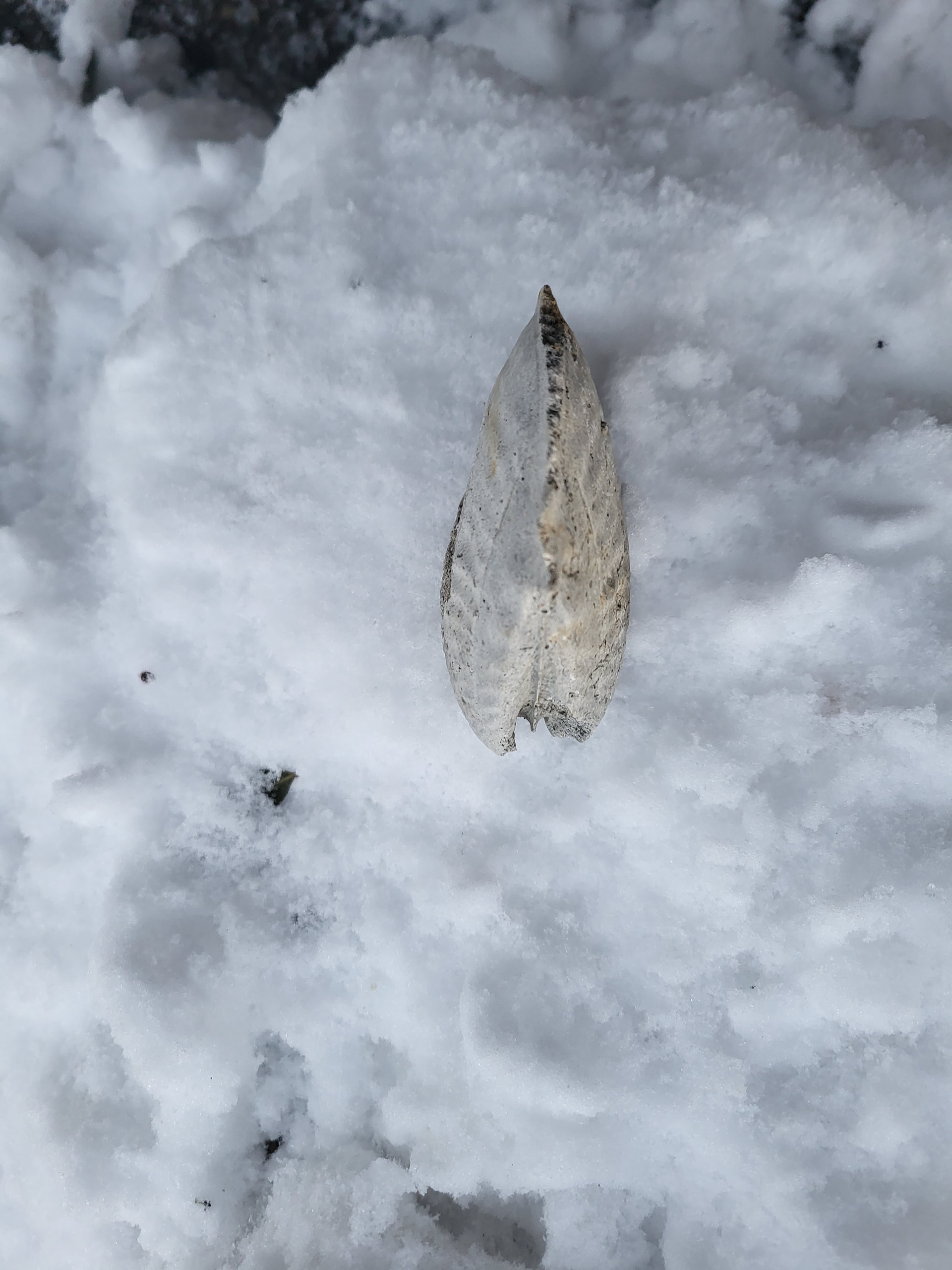
The photo here is just a quick shot with the phone, but it illustrates a fossil with a heart shape.  You’d have to mess with aspect ratios to make it very marketable as a Valentine’s card, but definitely r=k(1-cos(theta)) is a first approximation (especially if the left beak weren’t broken; photo is upside down relative to the clam's anatomy and climatologically unlikely for the lower Pliocene but convenient for balancing the specimen).  Additionally, although the fossil does not indicate this, examination of living relative shows that the clam’s heart was pierced.  Admitting that it’s pierced by the intestine rather than by Cupid’s arrow may detract somewhat from the romance, however.

But, supposing that the request were spelled out clearly to indicate that what was wanted is fossil evidence of God’s love for us, can we find evidence of that?  A side view may help in telling more about this fossil.

An obvious question is where’s the shell?  This is an internal mold of a clam; why is the shell gone?  That question leads into varied areas of crystallography, thermodynamics, and physical chemistry.  The mold is made of calcite; the original shell was aragonite, two crystal forms of calcium carbonate.
What kind of shell was it?  With left and right valves, over 5 cm in length, and two main muscles to hold the shell closed (evident from the muscle scars), this is a bivalve.  Several different types of clues combine to indicate the taxonomy, once one gets used to how shell features shape molds.  My MS thesis worked on another moldic fauna, so I have a fair amount of practice.  Identification involves a combination of observing the features preserved and studying the publications about fossil and modern mollusks from the southeastern US.  It is Glycymeris americana, but a peculiar specimen.  The wrinkles are an unusual mutation (form “aberrans”).  Some individuals have just wrinkles along the edge of each valve, near the beak, but this has extensive wrinkles.  Normal specimens have no wrinkles at all.  What’s going on genetically and physiologically behind this mutation?  Is there a reason why there are other weird mutations appearing right about the same time, like left-handed whelks and cones or rib number variations in scallops?  Maybe check the record of cosmogenic nucleotides for a nearby supernova around then.  
When was then, anyway?  The mutants have a brief period of high abundance and then disappear, while the normal form survives to the present.  Sorting out the relative ages of deposits in the region is challenging.  With sea level ups and downs as glaciers melt and expand, different patches got eroded away or preserved at different points.  Local tectonic adjustments and continued ground movement due to the Eocene asteroid impact at what’s now the mouth of the Chesapeake Bay also contribute complexity.  Once again, it’s necessary to review the literature (and the reliability of those writing it) to figure out what’s what.  This specimen is upper Goose Creek Limestone, of mid-Pliocene age.  Figuring out just how long ago that was takes one into radiometric dating, Milankovitch cycles, and correlations such as microfossils, land mammals, various stable isotopes, magnetic reversals, and more.  
How does Glycymeris americana relate to other bivalves?  Molecular phylogenetics can give us information, but it takes some sorting through by someone who knows what they are doing to figure out which sequences are correctly identified and useful to analyze, and to make sense of the results.  Once again, a search through the literature, keeping the librarians busy, discovering a helpful bookseller with a copy of a Japanese publication rare in the US, putting in an online search for “has anyone published about this group of clams?”, discovering that the name is also used for spiders, and sorting out that problem, is required to figure things out.  
Wait, wasn’t I supposedly looking for evidence of God’s love rather than a chance to advertise some of the research my family and I have been doing for a few decades?  But the countless possible fascinating areas for research are evidence of God’s love.  He has given us an amazing world to explore and care for, with a fascinating history of a few billion years so far, and that’s just one small corner of a vast universe.  
Of course, such a perception of God’s love in a fossil reflects viewing it with the eye of faith.  But no better agapometer exists.
3 Likes

@paleomalacologist , I putzed with your formatting so your entire text was readable. Really neat information about the fossil, and I like the nod to “Goin’ to the Chapel.”

Apistos may not reply, because intense questioning is deemed “creating dissent” unless done with the suave manners of a courtier.

The “Fossil of Love” quip is cute, except that it doesn’t address what Apistos was asking for. If the fossil of Love can only be understood by faith then it is not an indicator of anything outside of interpretation. In this case Derrida’s claim still stands, “There is nothing outside the text.”

1 Like

Derrida is wrong. There are lots of things ourside the text, and for that matter there are things in the text. But it is true that, if you demand that everything in or out of the text be determined solely by analysing the shape of the letters, you won’t find meaning in the text nor anything outside the text.

Of course, how do you determine what interpretations of the data are reasonable? Presuming that everyone will read a text in a “reasonable” (i.e., accepting the popular assumptions of 18th century deism) is why we have a crisis of contitutional interpretation and enforcement, for example. But that is not a valid reason to claim that nothing exists beyond the text.