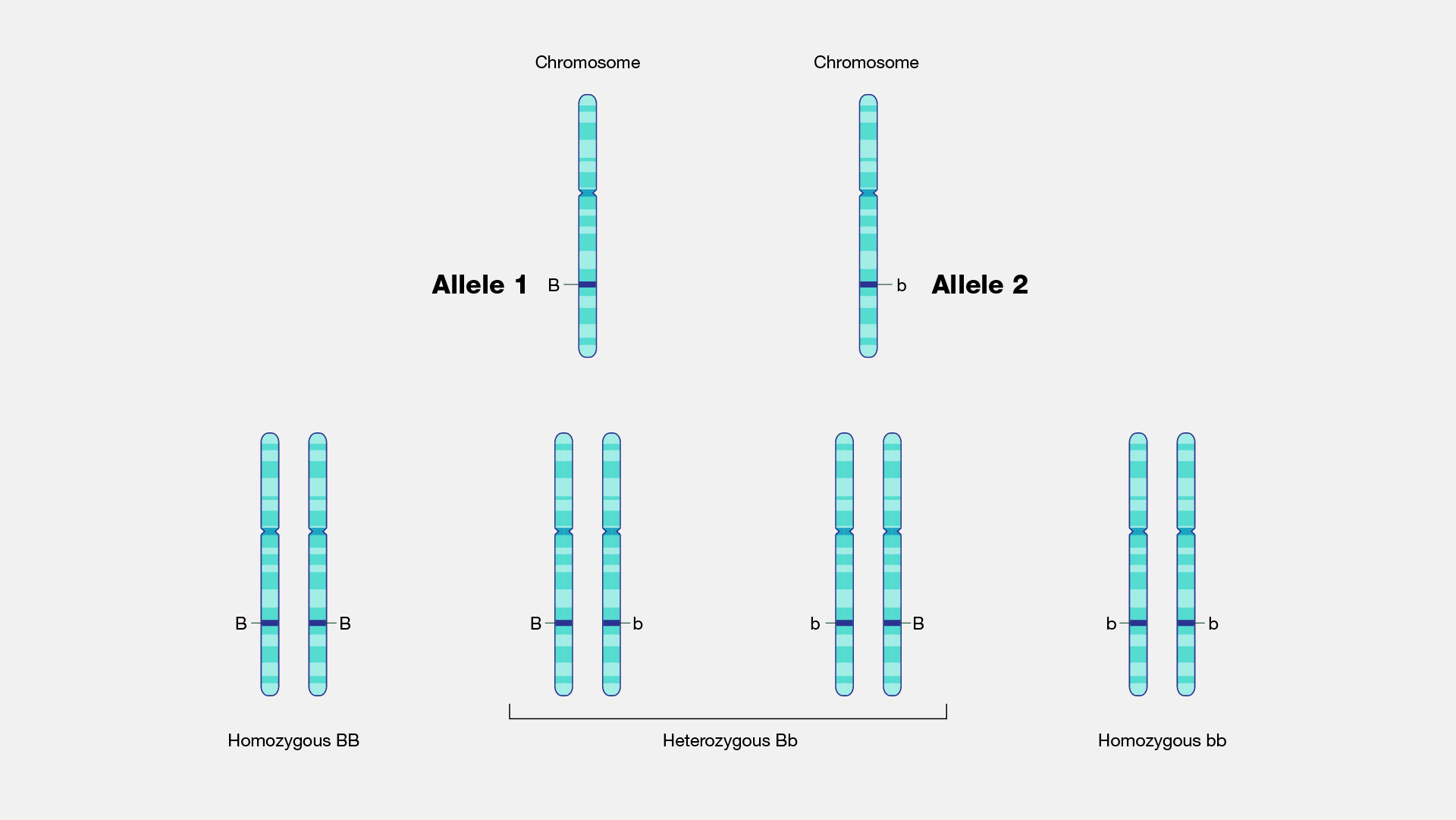
A Biblical Model of DNA in the living Chromosome

A Biblical Model of DNA in the Living Chromosome

Psalm 139:13-16

For You formed my inward parts; my reins: h3629 loops

You covered me in my mother’s womb. H5526 wove

My substance was not hid from thee, when I was made in secret, and curiously wrought (H7551 woven) in the lowest parts of the earth.

How can untwisted loops of DNA woven together replicate without self-entanglement?

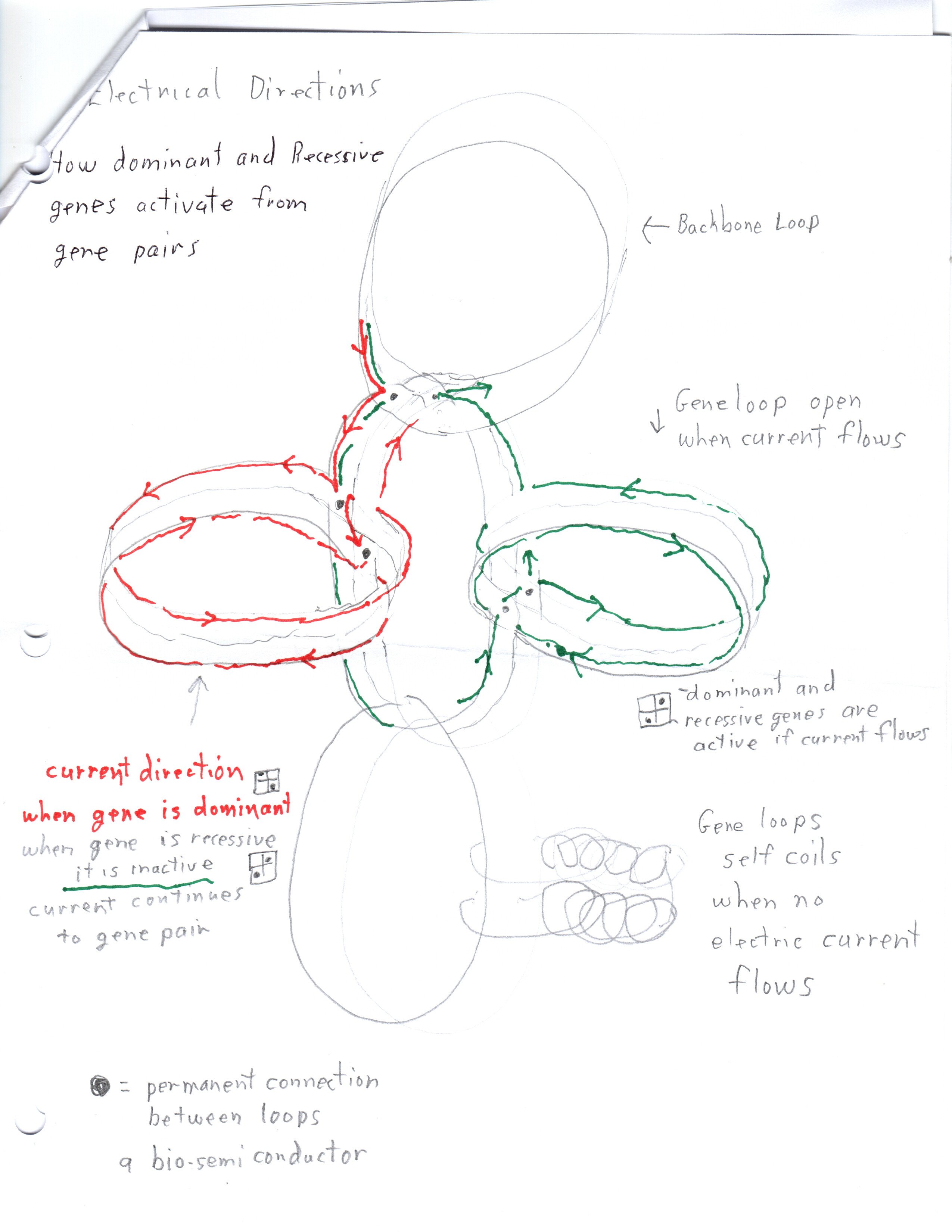
The four corners of the weave are attached on one set of diagonal corners. On the next loop the connections are on the opposite diagonal set.

This continues to form the backbone (non-gene part) of the Chromosome leaving no open ends.

The Gene loops attach to each side of a backbone loop. Gene loops are also untwisted but self-coiling.

The active gene (dominant) attaches right over left weave, or inactive if (recessive) attaches left over right weave, is on the left side of the loop. If recessive electric current continues on the backbone loop to the right side. If the gene is recessive, it will be activated 25% chance. If the gene is dominant it will be activated 75% chance. These are the dominant and recessive gene pair locations.

Because there are no open ends the chromosome operates electrically. When current is applied to a coiled gene it uncoils and then unzips to create a protein, et al. When cell division occurs a stronger current first uncoils all genes and separation of the two parts of the chromosome occurs.

When the human genome project was completed, they were expecting to find a lot more genes because total mass of the chromosomes was greater than the mass of the genes found. The backbone genes explain the missing mass.

Biblical diversity of species – Mutation not necessary for diversity

God created inherent genetic diversity of families of species

Natural selection -selects OUT genes that do not fit in new environment intensifying genes that fit that environment.

Time required – immediate adaptation
2 Likes

So are you suggesting natural selection is instantaneous rather than over millions of years or, a countless number of instantaneous natural selection events occur in our cells that make gradual changes over millions of years?

For a whole population it would take many breeding cycles.

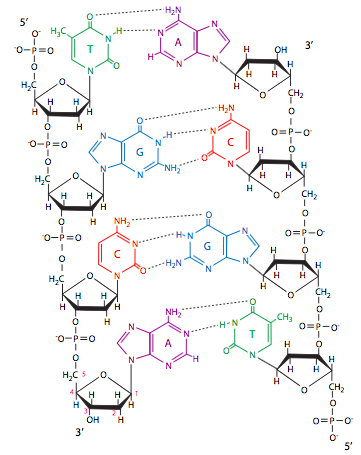
Just so we can get on the same page, could you describe the parts of these DNA molecules that make up the “backbone”?

Also, there are families of enzymes that are responsible for uncoiling DNA and dealing with the physical structure of a long molecule. This isn’t driven by electricity, unless there have been some recent huge discoveries that I’m not aware of.

1 Like

DNA Electrical Pattern

The backbone is a DNA strand loop connected to itself. The outer black colored parts as in your diagram are the electrical pathways. I didn’t draw in the interior peptides. The helicase model still has problems with self-entanglement.

Critique

  • Biological accuracy: This model doesn’t match what we know from genetics. Dominant/recessive expression comes from how alleles produce proteins, not from electrical currents flowing through DNA.
  • Misapplied physics: DNA does have electrical properties (charge distribution, electron transfer), but not in the sense of circuit loops with dominant/recessive switches.
  • Metaphorical vs. literal: If intended metaphorically (DNA as if it were circuitry), it could spark imaginative thinking. If meant literally, it misrepresents molecular biology.
  • Category mistake: It takes familiar ideas from electronics (loops, coils, current flow, semiconductors) and imposes them on DNA without scientific justification.
1 Like

Not sure where you are getting the electrical pathways from. The replication and transcription of DNA is done through enzymes, and I am not aware of any evidence for electricity driving these processes, nor can I see how it would be necessary or how it would even work. Also, there are no peptides covalently bound to DNA anywhere in its structure. There isn’t any DNA directly involved in making protein. It is the mRNA transcribed from DNA that is involved in protein synthesis.

That’s what the topoisomerases are there for.

In eukaryotes, there are also histones which help to protect DNA from mechanical stress.

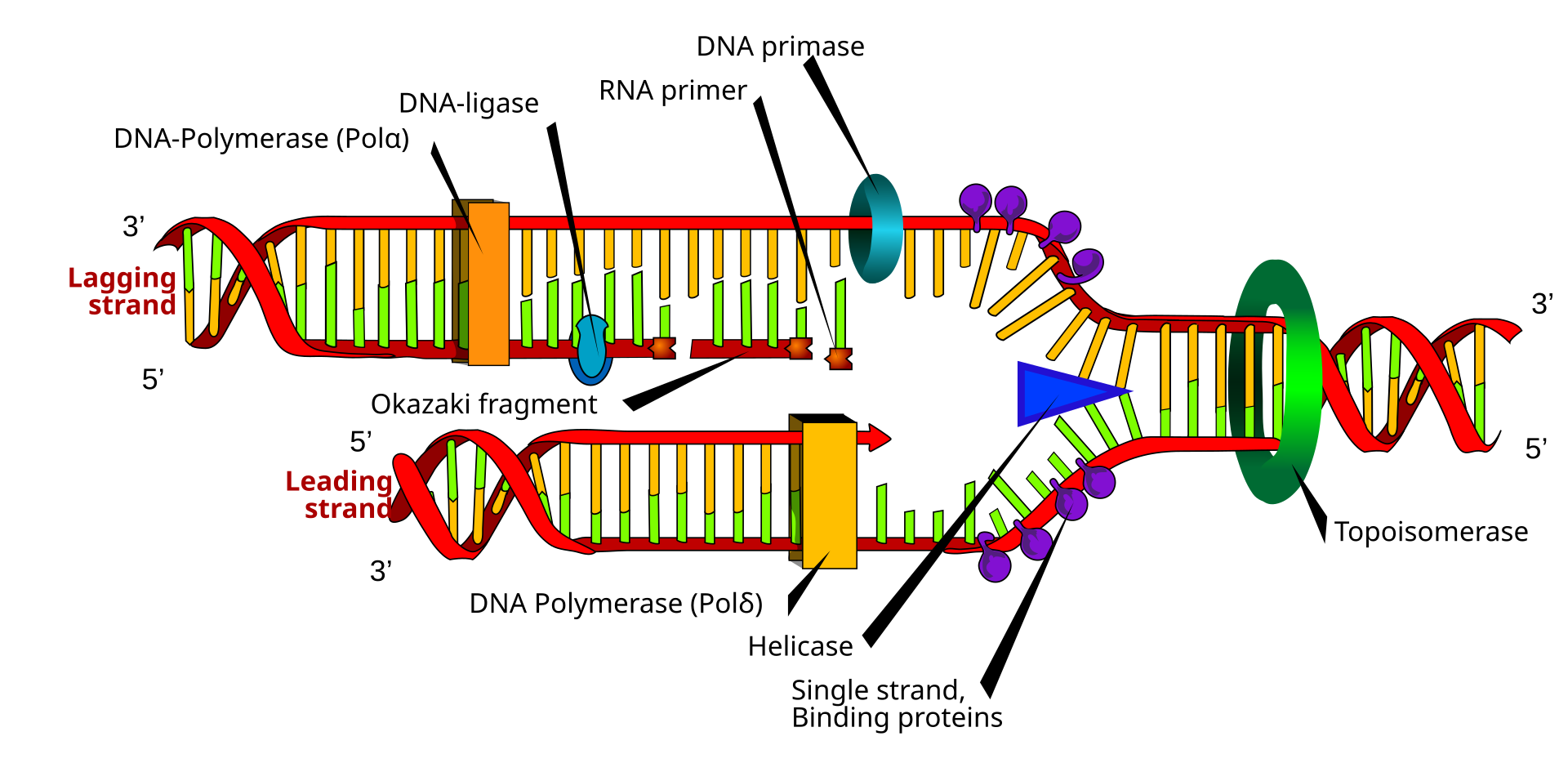
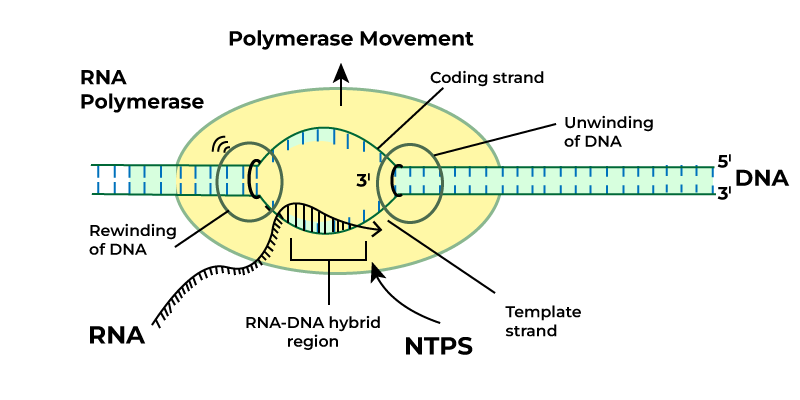
Just for reference, this is the canonical description of DNA replication and RNA transcription:

DNA replication:

RNA transcription:

2 Likes

Gene pairs are located on separate chromosomes (one from each parent). The most common type of recessive gene is an inactive protein, so the gene is still transcribed into RNA and translated into protein. It just so happens the resulting protein is inactive for a specific function (e.g. the O allele for ABO blood types). If the relationship between alleles is due to gene expression, then it is due to a lack of a promoter sequence upstream of the gene that promotes the binding of RNA polymerase and related proteins. It’s not electrical currents, at least I have never seen any evidence that involves electricity nor any experiments that demonstrates these mechanisms.

The only crossovers I can see is stem-loop structures that can act as gene promoters, but this is involved in binding proteins, not electrical currents.

If there are experiments testing these ideas we would be interested in seeing them.

3 Likes

Thank you for your detailed response. I am only putting forth an idea, yet not tested. How do you close off the open ends of the DNA strands.

The ends of eukaryote chromosomes are protected by telomeres which are stretches of repetitive sequence that don’t carry functional genes. There can also be proteins that bind to telomere sequences and help protect the ends of the DNA molecule.

For the majority of prokaryotes, their chromosomes are circular so no need for telomeres.

2 Likes

lectrons Use DNA Like a Wire for Signaling DNA …

This article supports my idea about DNA working electrically.

If your idea includes proteins that copy DNA, I guess it does. It discusses how changes in the charge of the DNA molecule change the behavior of the proteins that are copying the DNA and how those are modified through Fe/S clusters. This is similar to how many other metalloproteins behave, such as proteins involved in electron transfer as part of metabolism.

2 Likes

Our dialog has helped me understand that the backbone model combines two alleles into a single structure of gene pairs. Thanks

Alleles are found on separate chromosomes and they don’t come into contact with one another, so I don’t understand how that would work.

2 Likes

The Chromosome lies on top of the other Chromosome and is connected at the black dots on the diagonal corners of the weave. When they separate the top Chromosome lifts straight up. The paper model I made worked that way.

What observations are you basing this on?

1 Like

This topic was automatically closed 6 days after the last reply. New replies are no longer allowed.