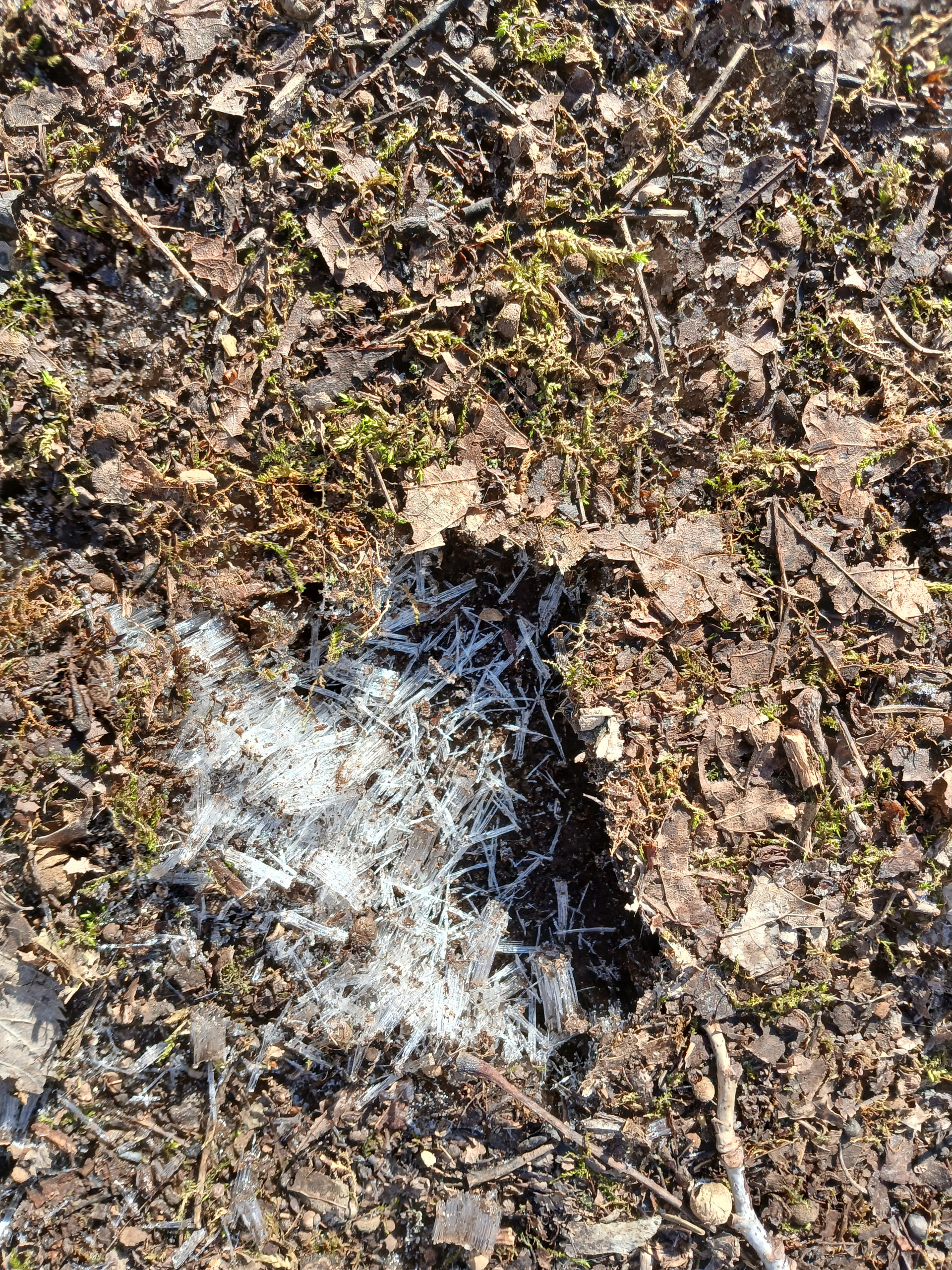
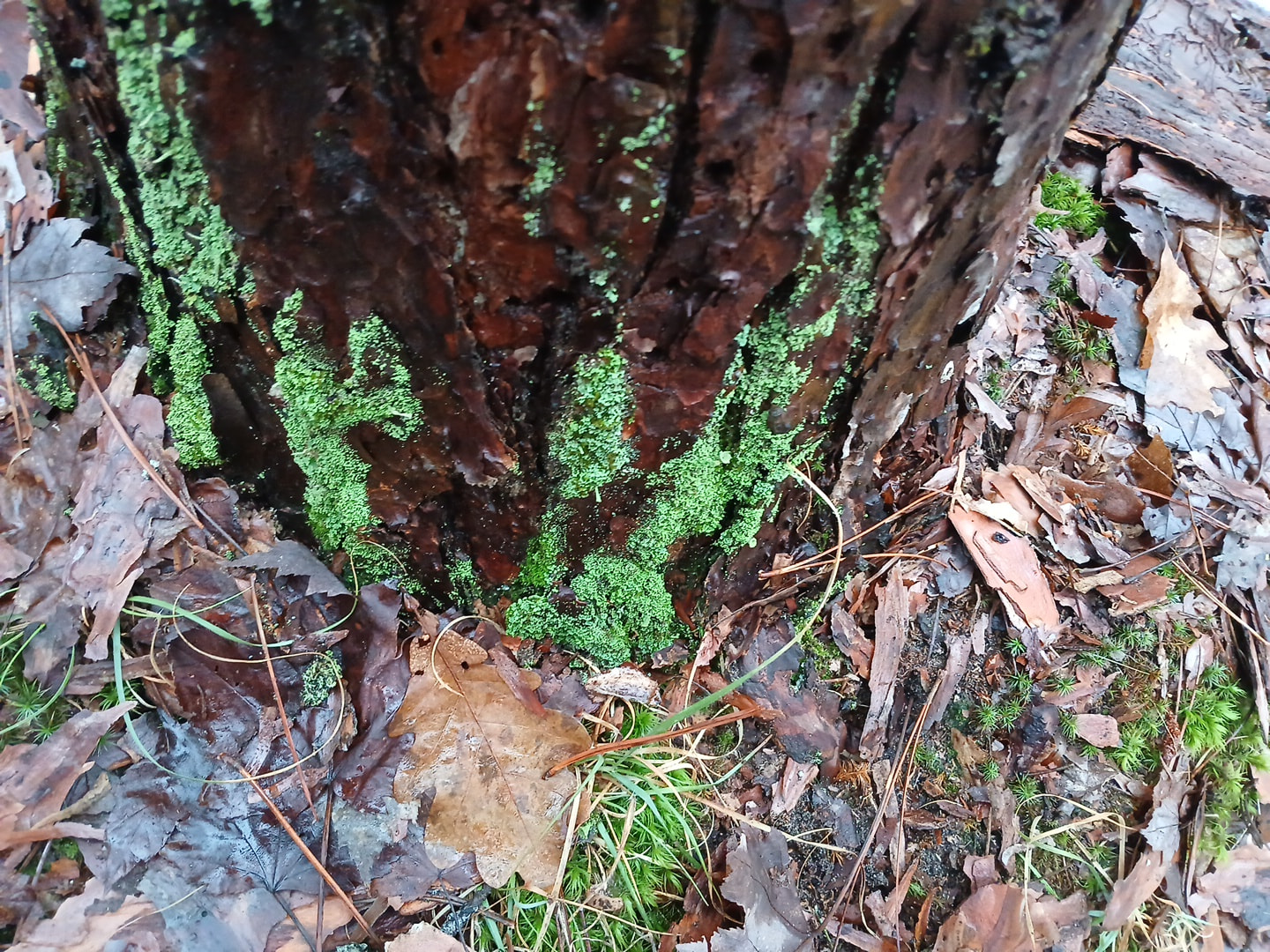
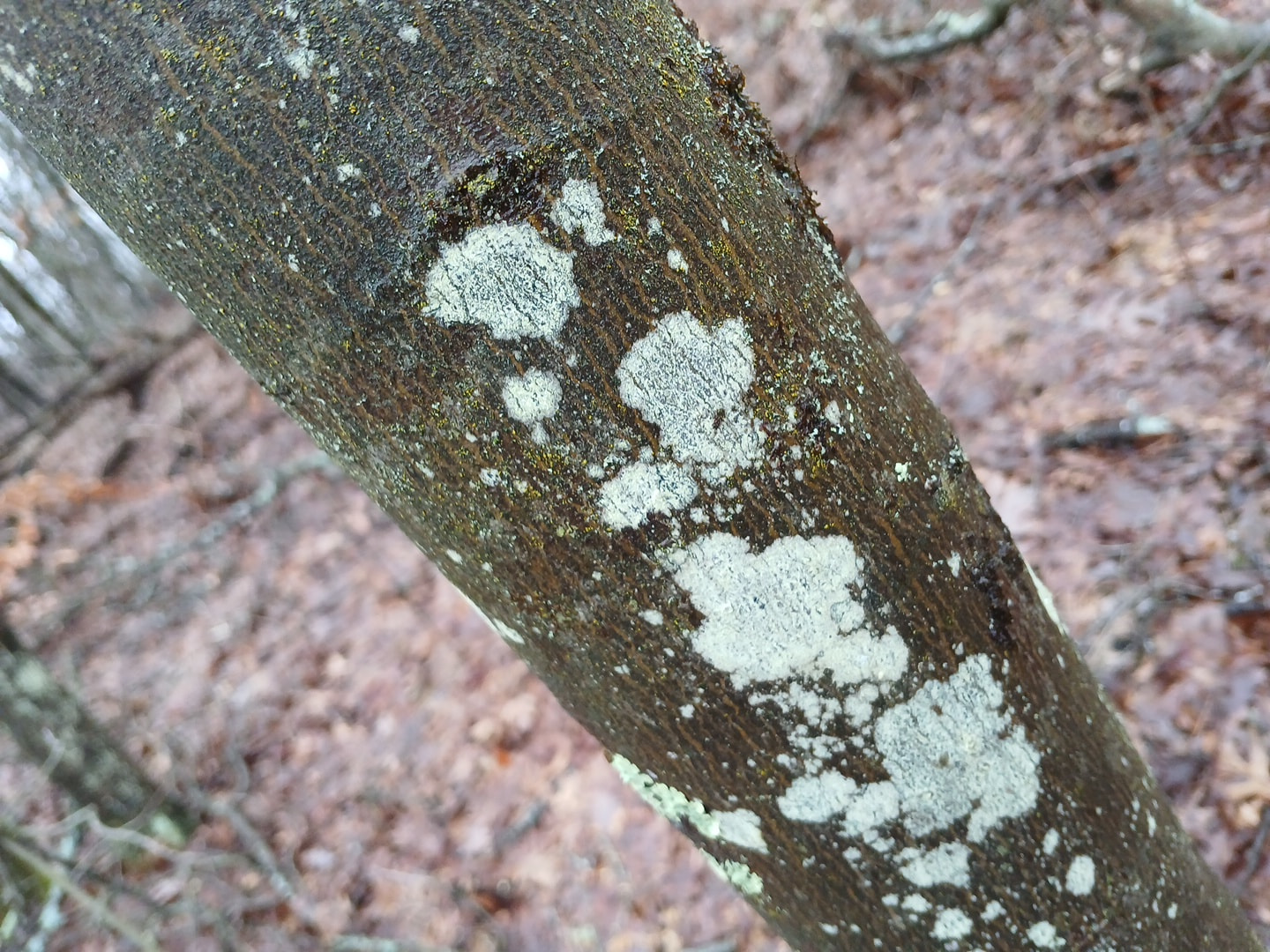
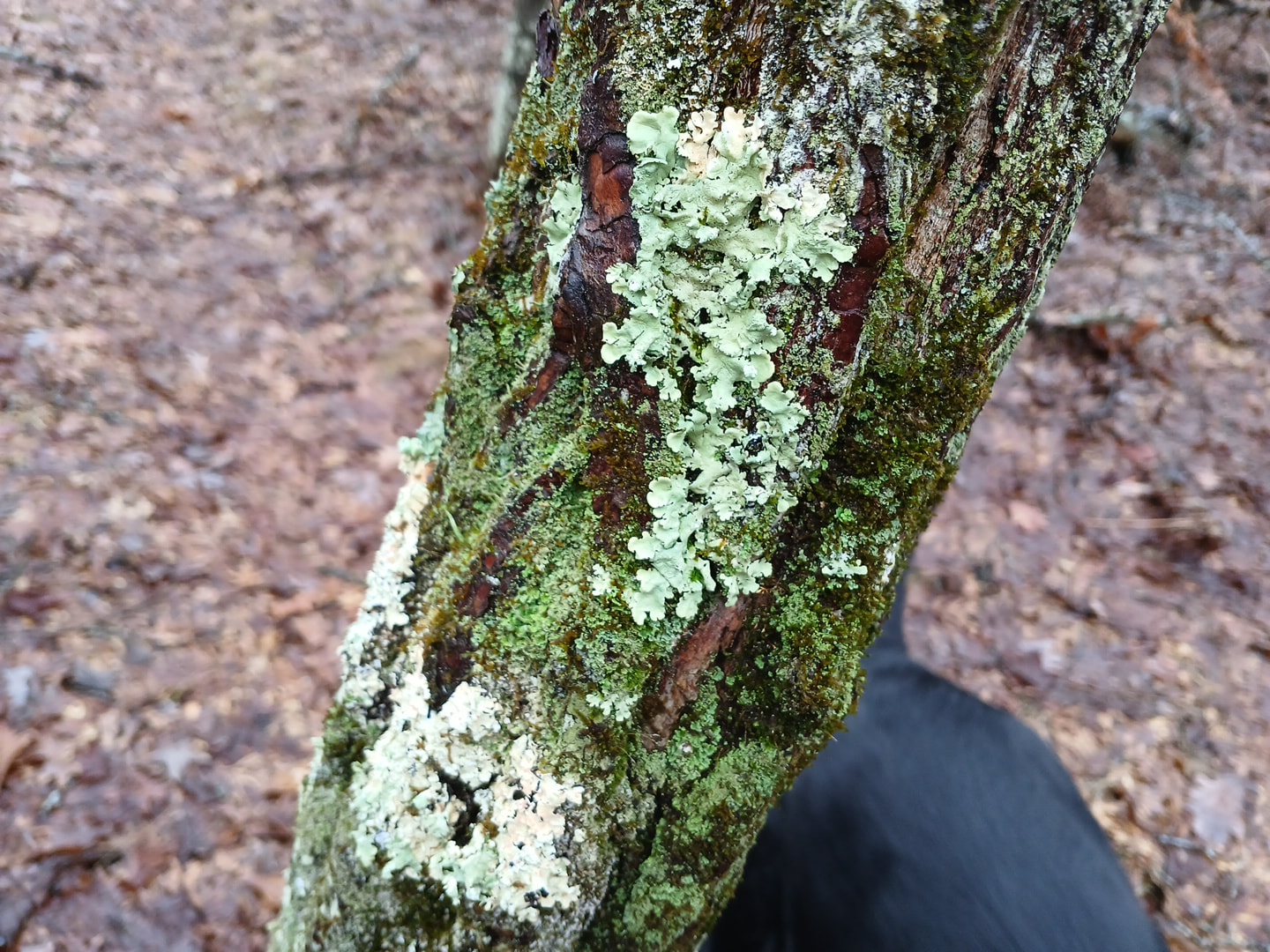
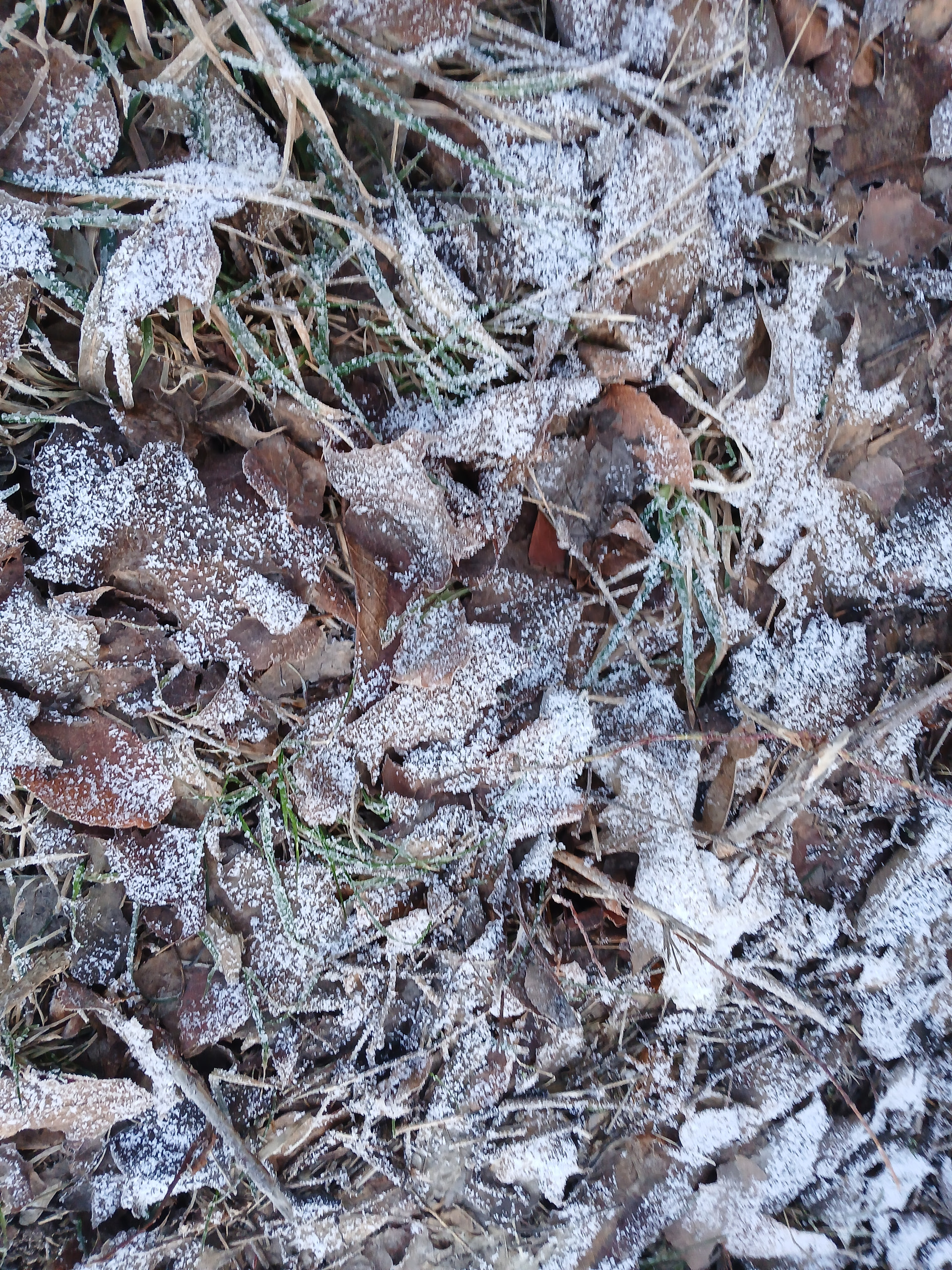
Hoarfrost, some lush looking lichens, and “corn snow,” I think.
3 Likes
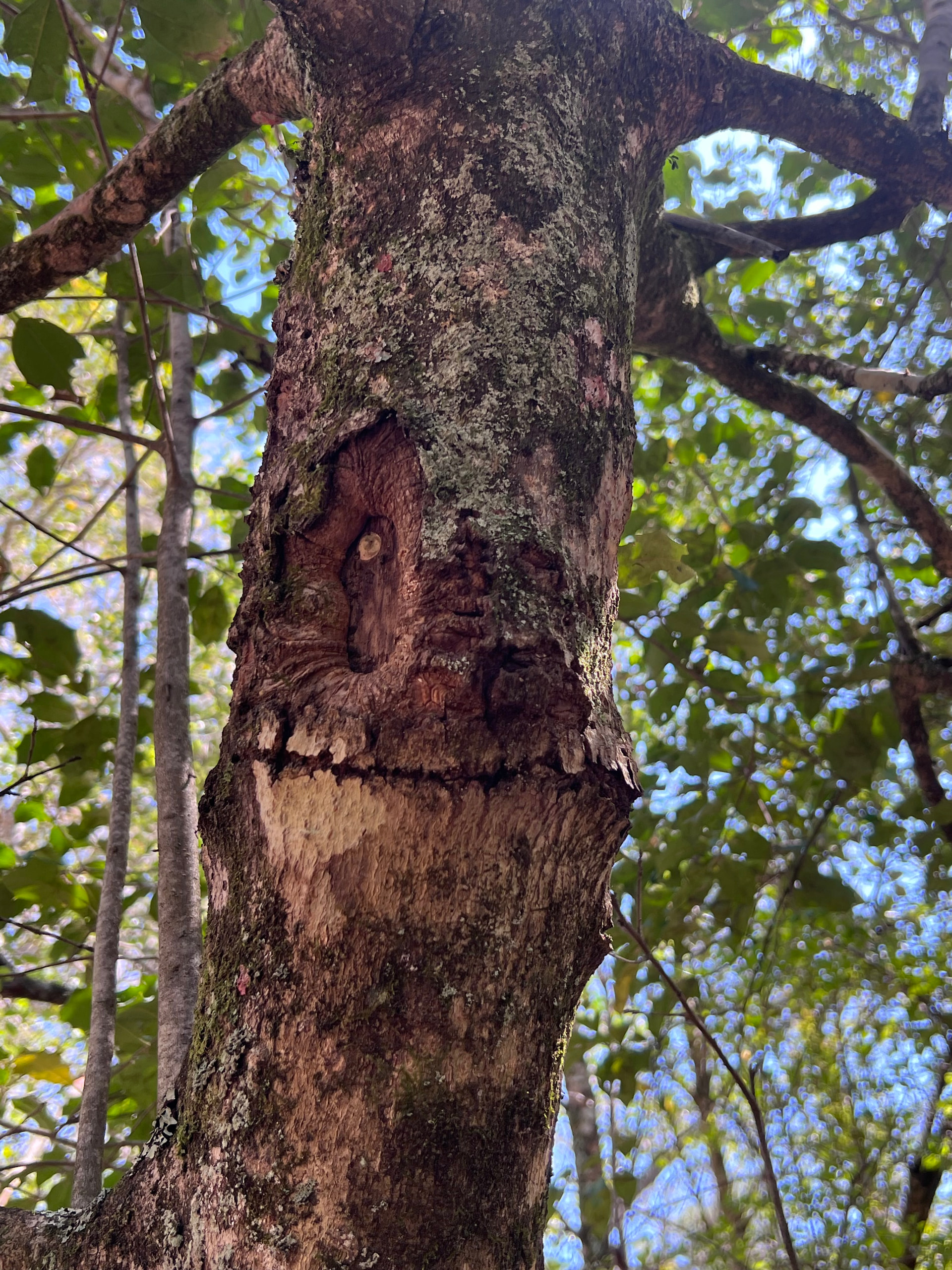
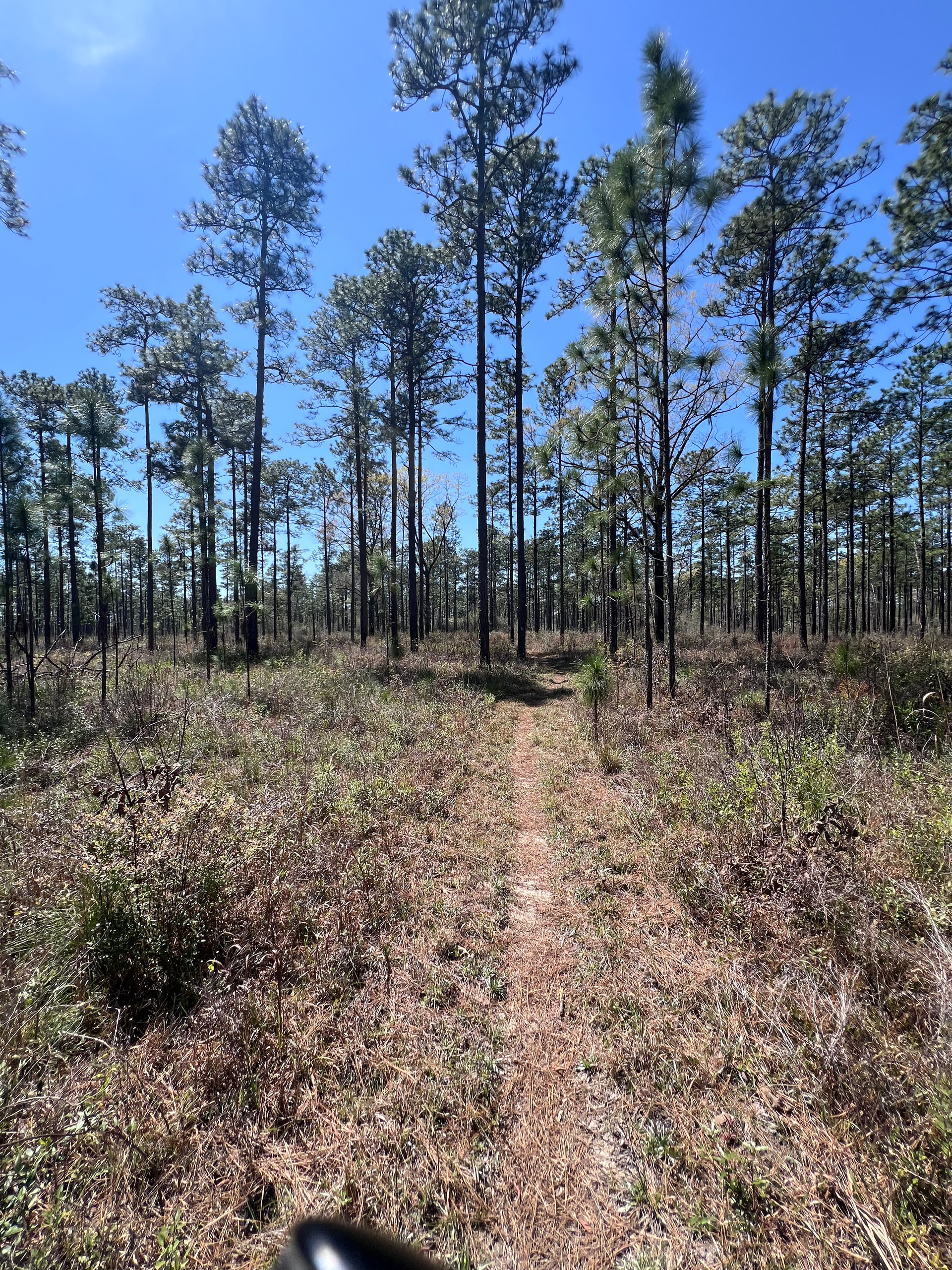
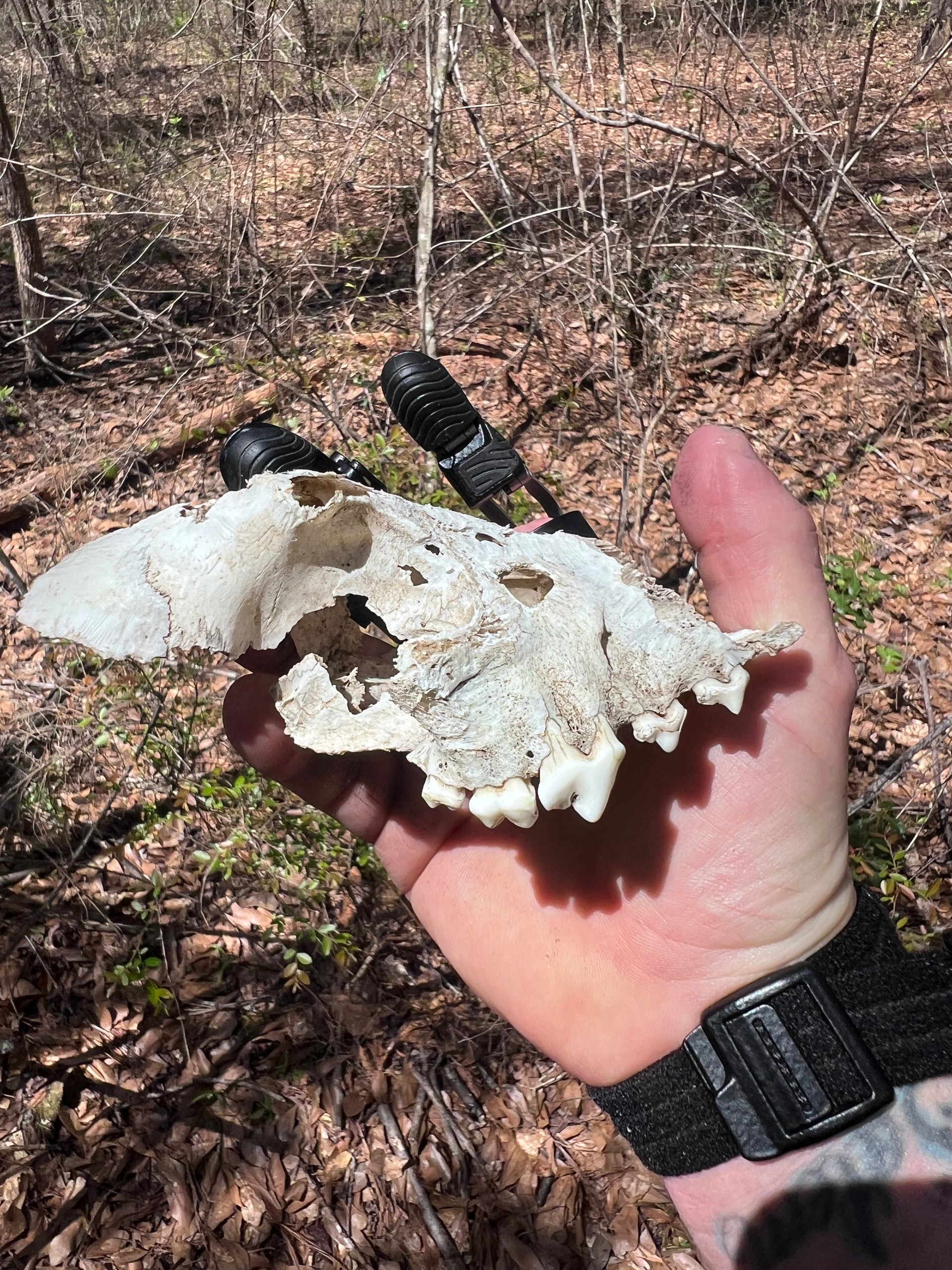
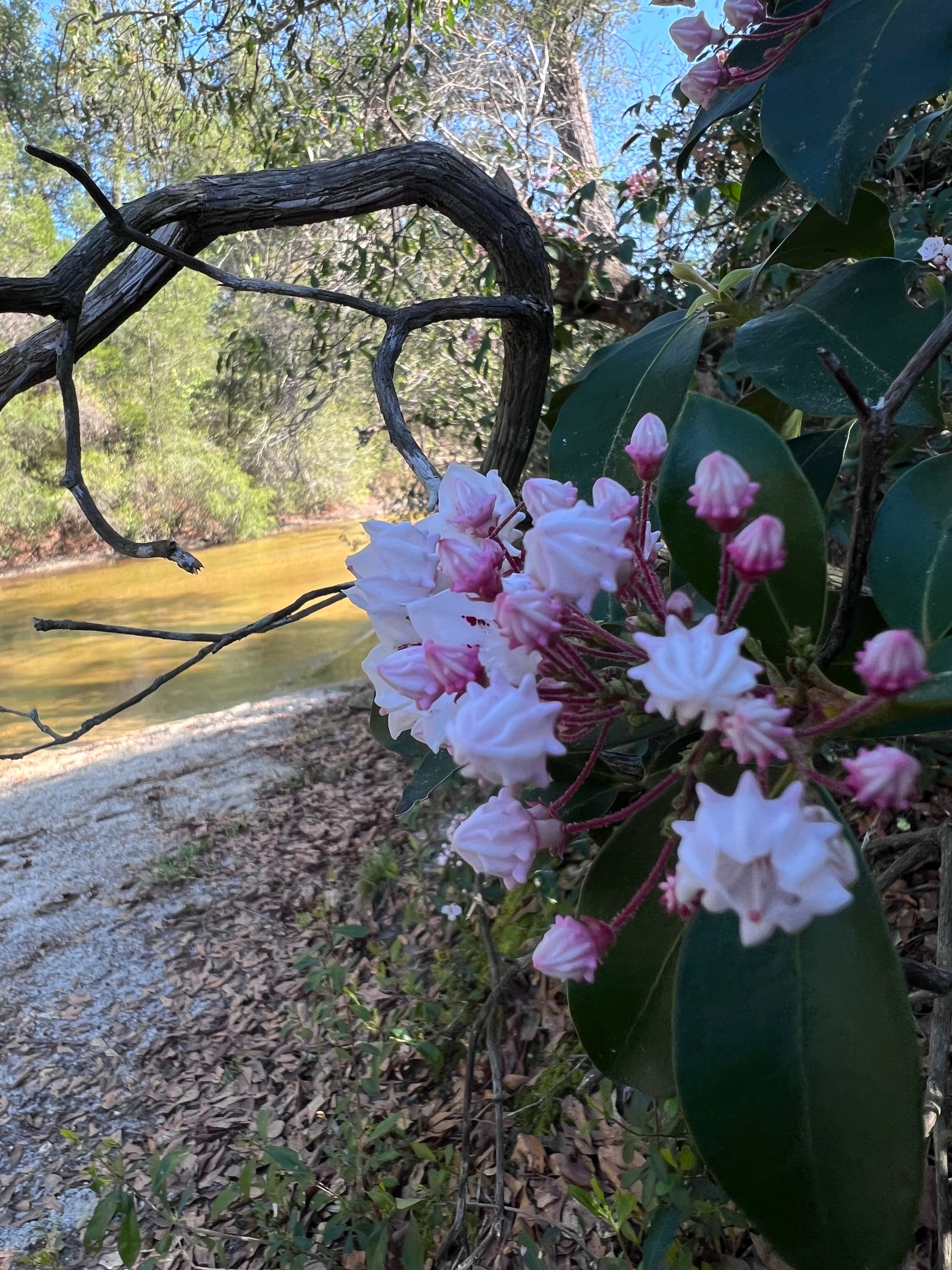
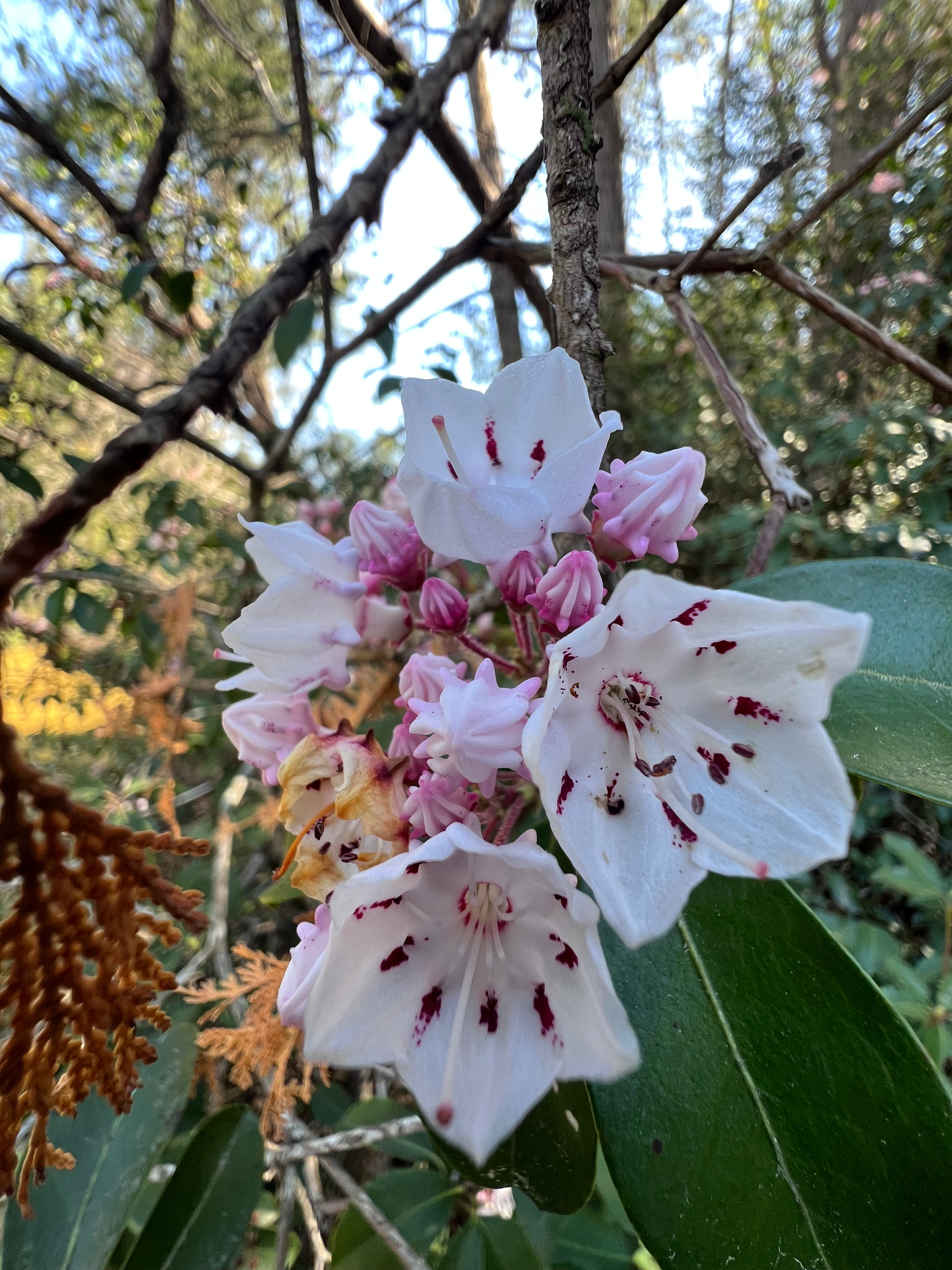
Kind of broke myself off today. Went on a short 2 mile jog. Then came home and showered and drove 2 hours away to hike and hiked 13 miles and few miles into the hike realized I never ate my breakfast and it was still in my truck. Only had 64 ounces of water with me. Was not too hot though. Started off at 74°f and climbed to 81°f. Saw an old man on a backroad though selling roasted corn, roasted sweat potatoes and watermelon. So have him money for it and wolfed it all down.
6 Likes
Kalmia isn’t blooming here yet that I’ve seen, but I will have a good chance to look tomorrow and Tuesday. Up in the Virginia mountains it was known as ivy, and as something to keep your sheep away from.
I’ll be in south Alabama for the Association of Southeastern Biologists meeting later in the week. Hoping to be able to sample mussels for DNA.
2 Likes
Hope it goes well! Great weather this week.
Bee mimic robber fly. You can see them telling me to go away.
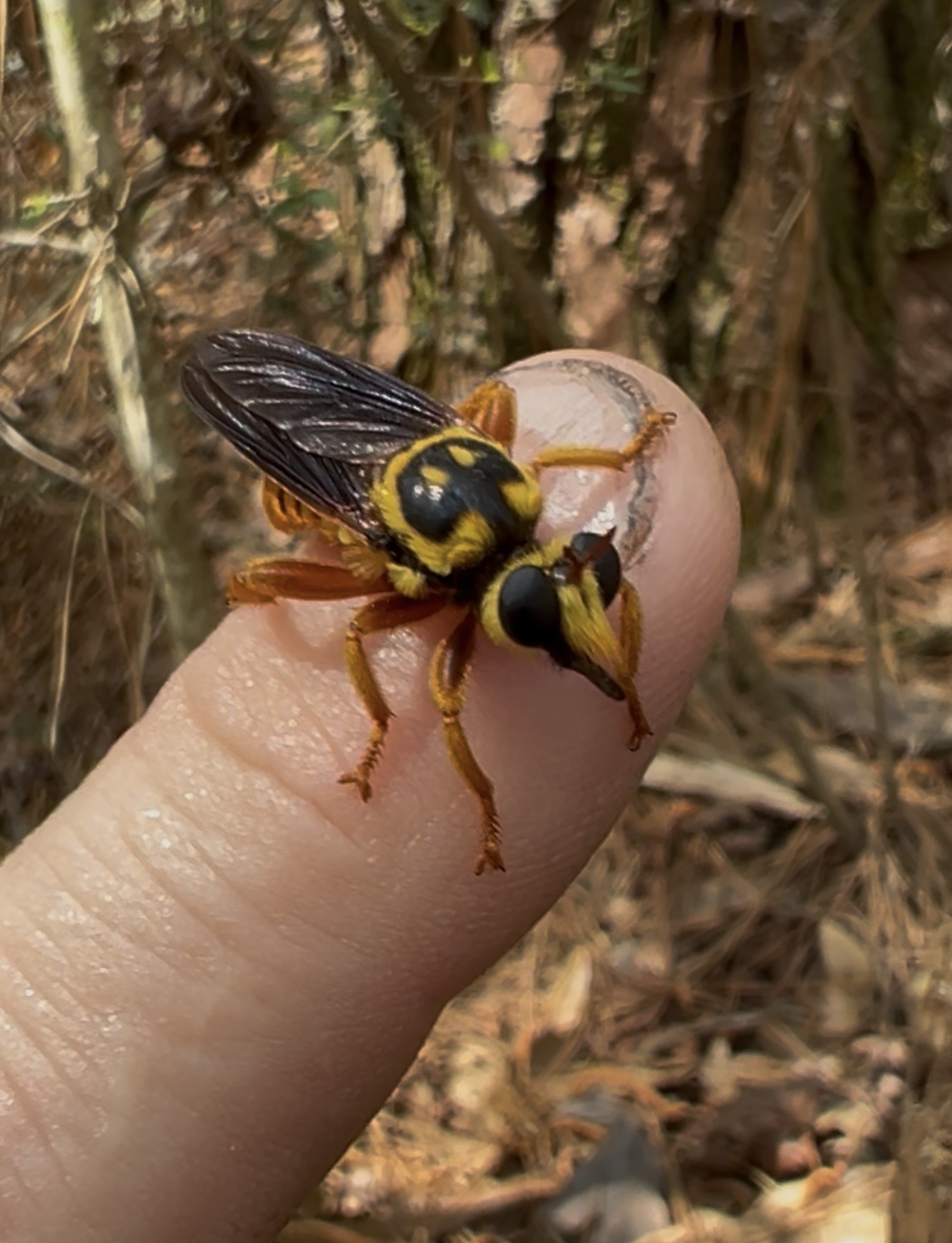
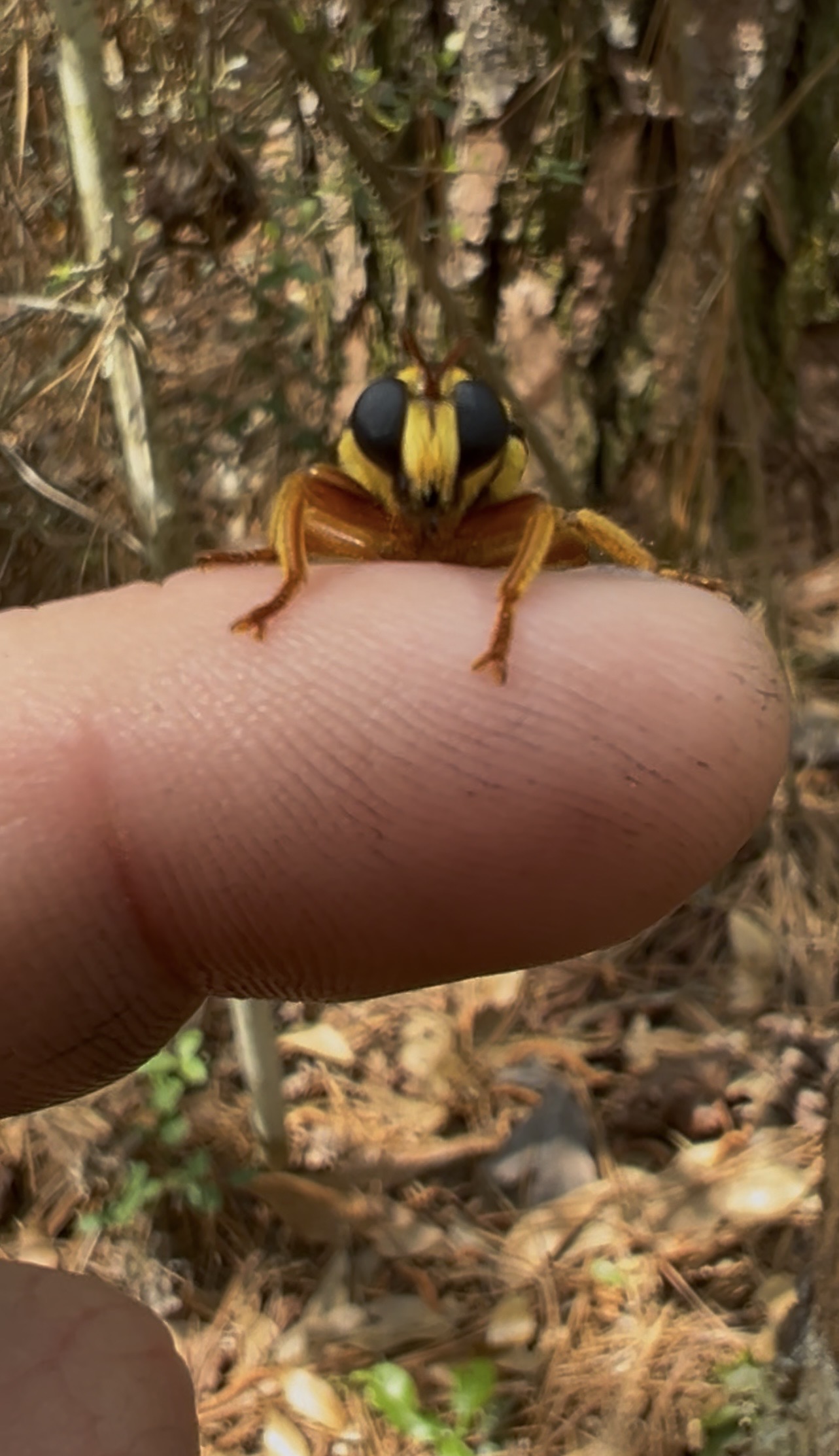
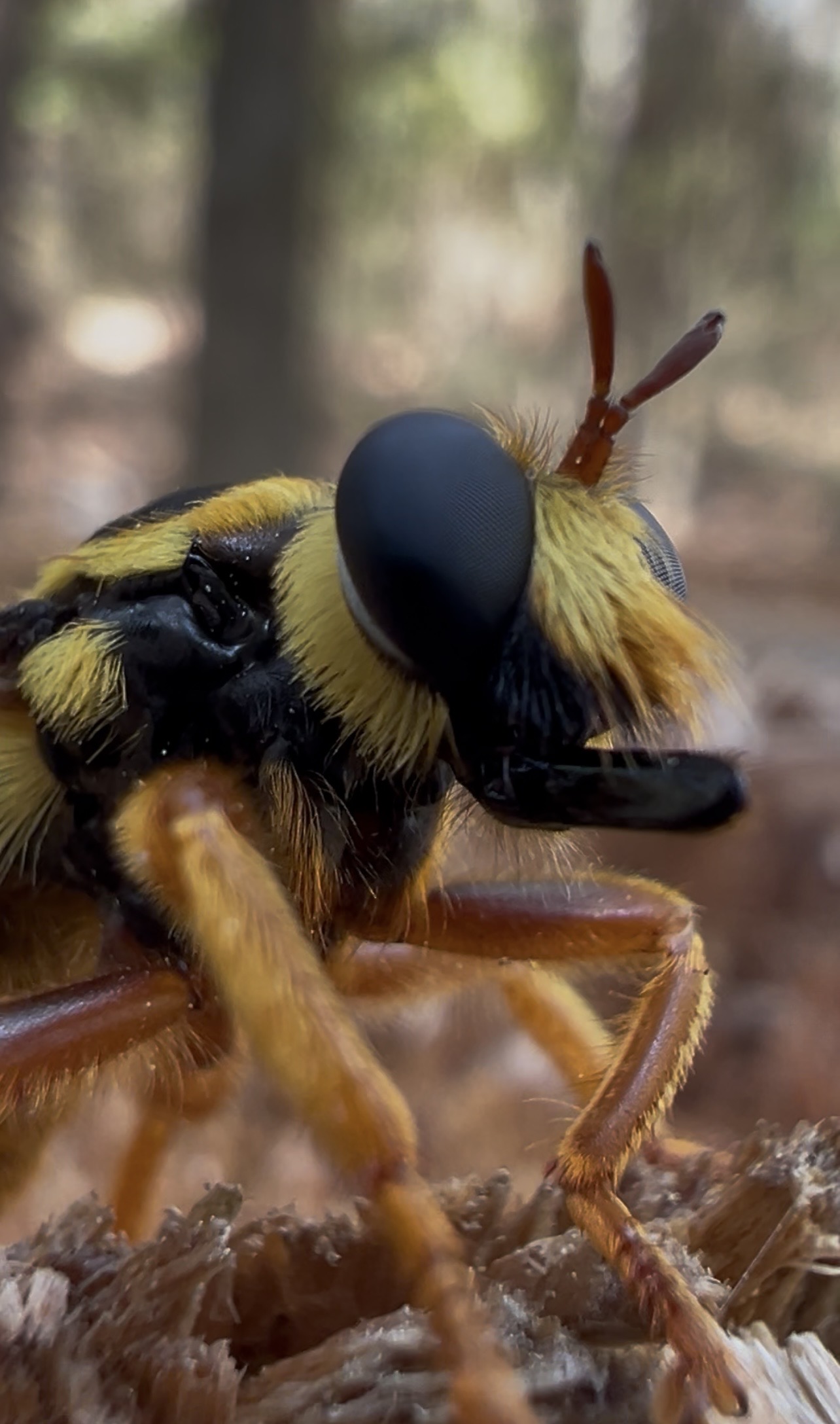
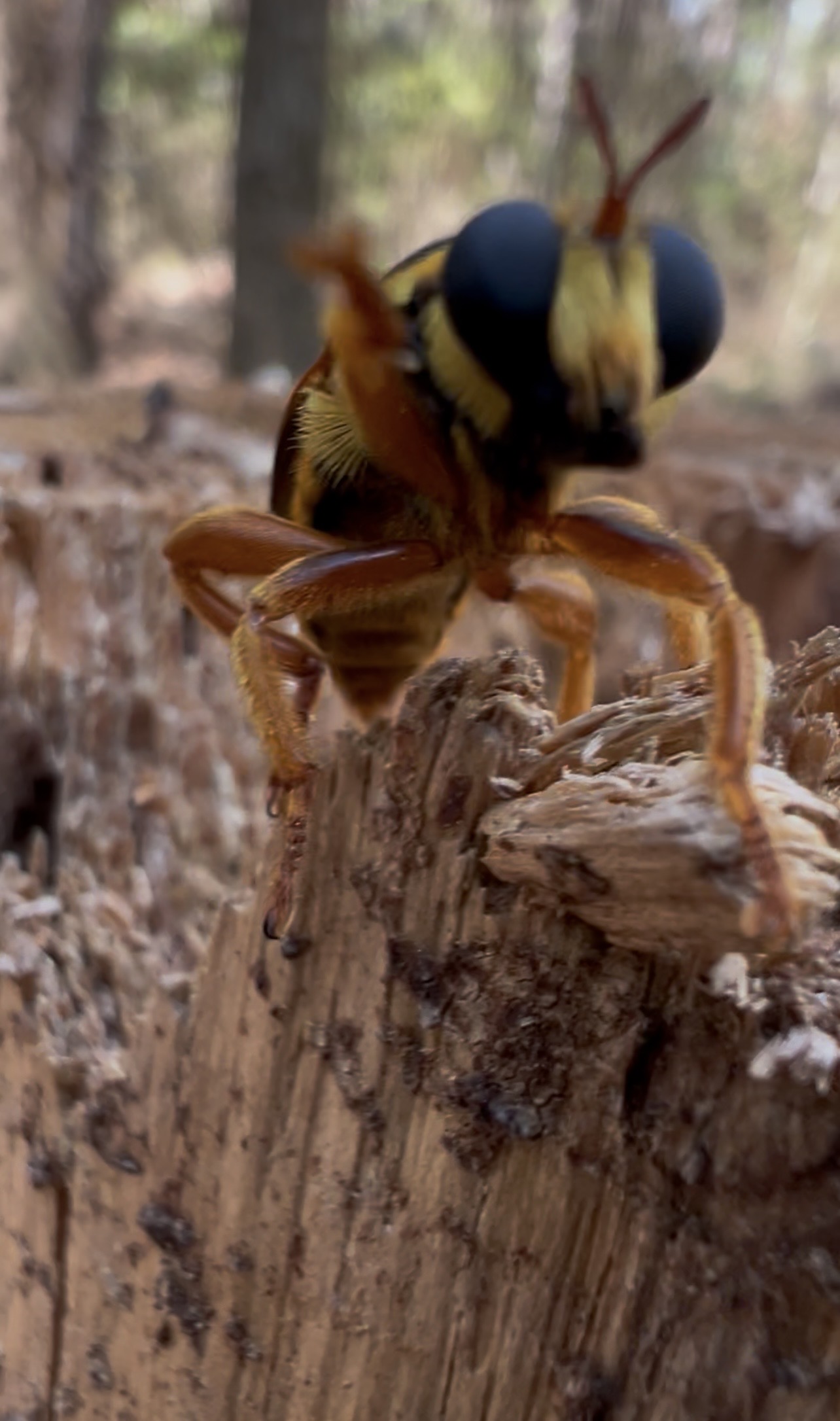
They also look like my cat slightly lol.

7 Likes
One large bee mimic fly is locally known as the newsbee, as the constant buzz sounds like a media commentator.
4 Likes
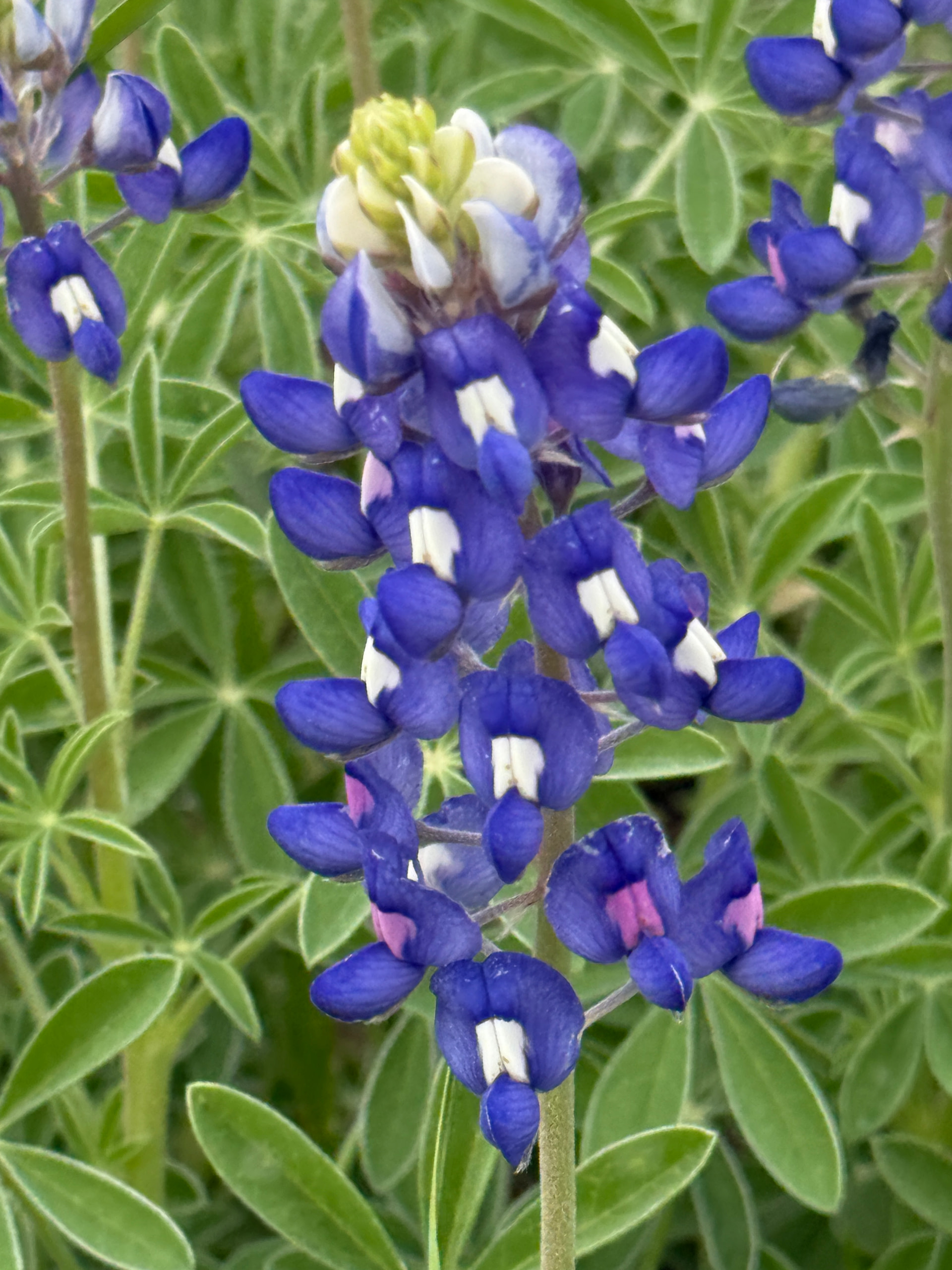
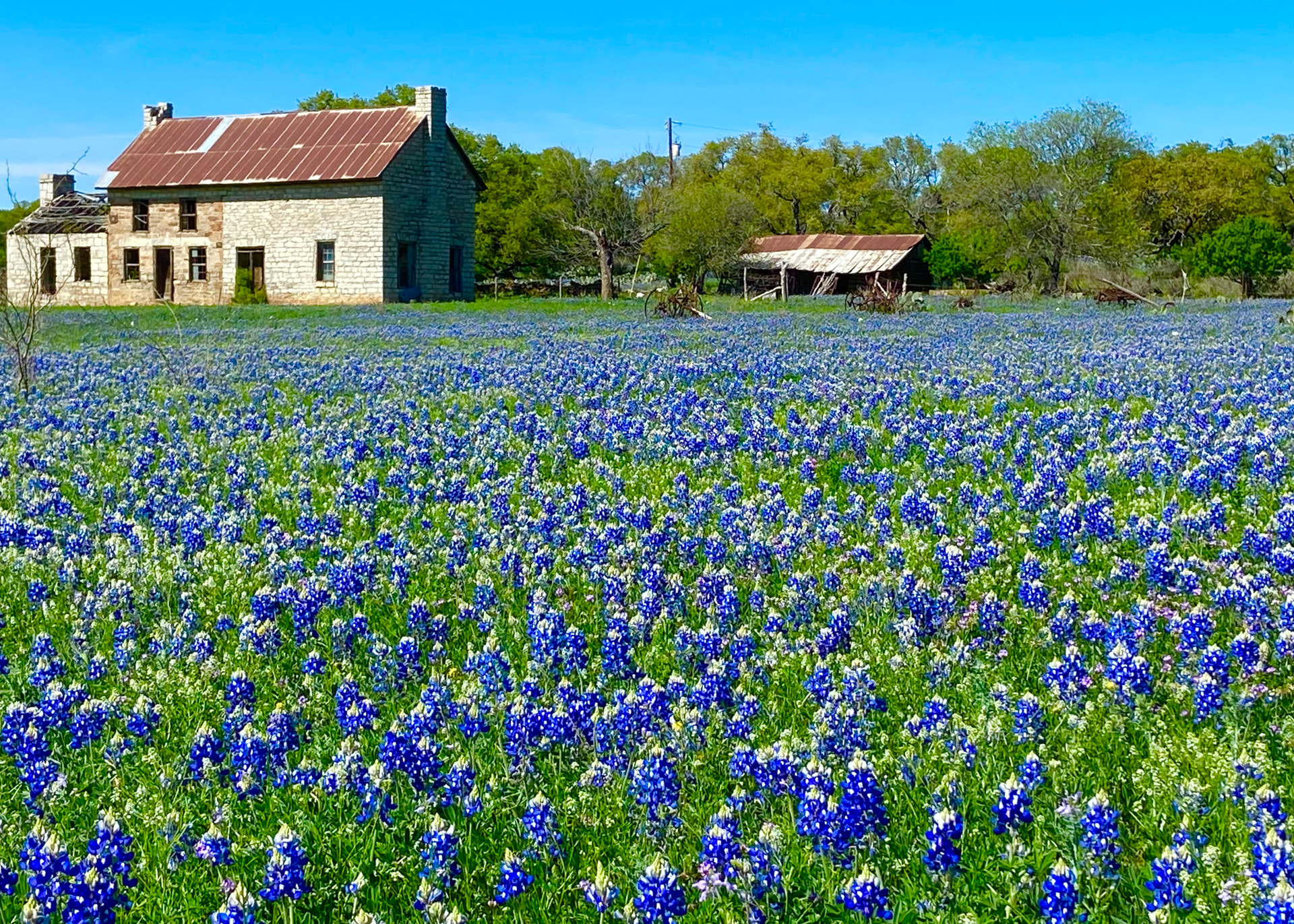
It would not be spring in Texas without a bluebonnet picture. Not the best year for wildflowers here due to drought, but not the worst.
5 Likes
Never realized they were lupins until I saw this pic. Usually I see a sea blue. I read that they are fragrant as well. Is it very, very noticeable? If not it would just be one more fragrance I won’t detect.
Do they need much irrigation?
2 Likes
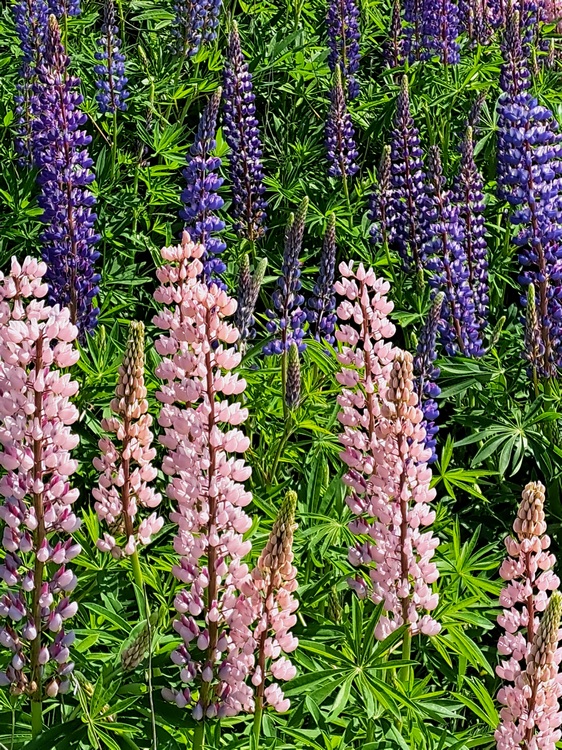
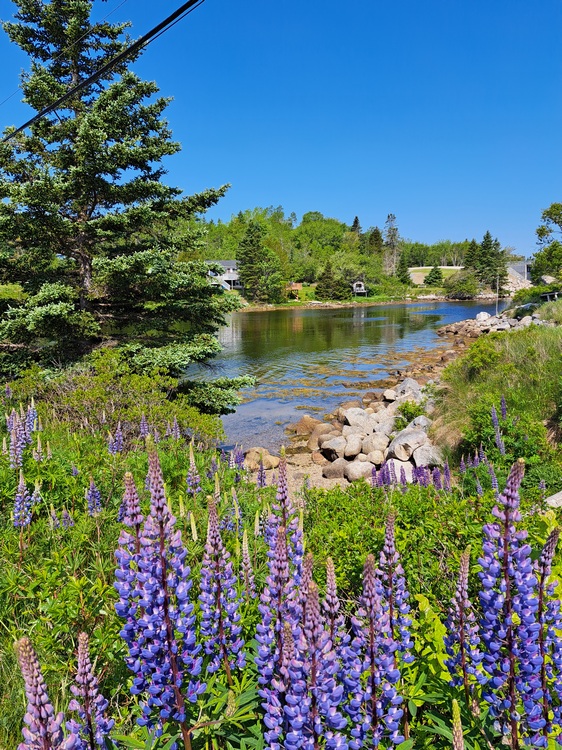
I didn’t realize lupins grow as far south as Texas. Here in Nova Scotia, they grow in huge swathes along roads and near oceanfront beaches. But they flower very late here (like everything else). I took these photos last June, which tells you something about the growing periods here. This morning, we had a few snow flurries, so we won’t be seeing any lupins for a while.
4 Likes
Those look fantastic! I would’ve guessed the first photo with two different flower colors would’ve been from a garden but I know that can happen in nature too. In San Francisco we even get them in coastal scrub. These two shrubby ones are pretty widespread.


Here is another of the purple flowered one. It actually has quite nice foliage too.

What the heck, one more of the yellow one with my pup thrown in for good measure.

4 Likes
The purple-flowered plants in your area seem to have leaves with a silvery cast to them – very pretty.
The wild lupins here come in different colours, but the photos I posted all came from the same roadside patch. It can be hard to find a safe place to stop the car on the old coastal highway, so when I found a good parking spot, I took as many photos as I could.
Oh – love the extra photo you added with the pup and the yellow lupins!
2 Likes
A good plan! I’ve only been on car trips specifically to see wild flowers a couple times. But where to leave it to walk around is a real problem.
Most lupines I see have foliage in some shade of green but there is this one I already posted which is silvery. And there is another from an area an hour or so north of San Francisco called Cobb Mountain Lupine with even better silver foliage. When I grew it the flowers almost came as a surprise when they came after weeks of admiring these leaves.

Hard to come by and only came back one more year but in a much less robust state. (Kind of like us I guess, though at least we get more than two years.)
3 Likes
Our native bluebonnets sprout in October/November so are dependent on fall rains. They have a hard seed coat so only 10% or so of the seeds will germinate each year to weather the drought seasons. That tend to do best in poor soils with little competition from grasses, and pretty much are just dependent on nature, though some are cultivated.
4 Likes
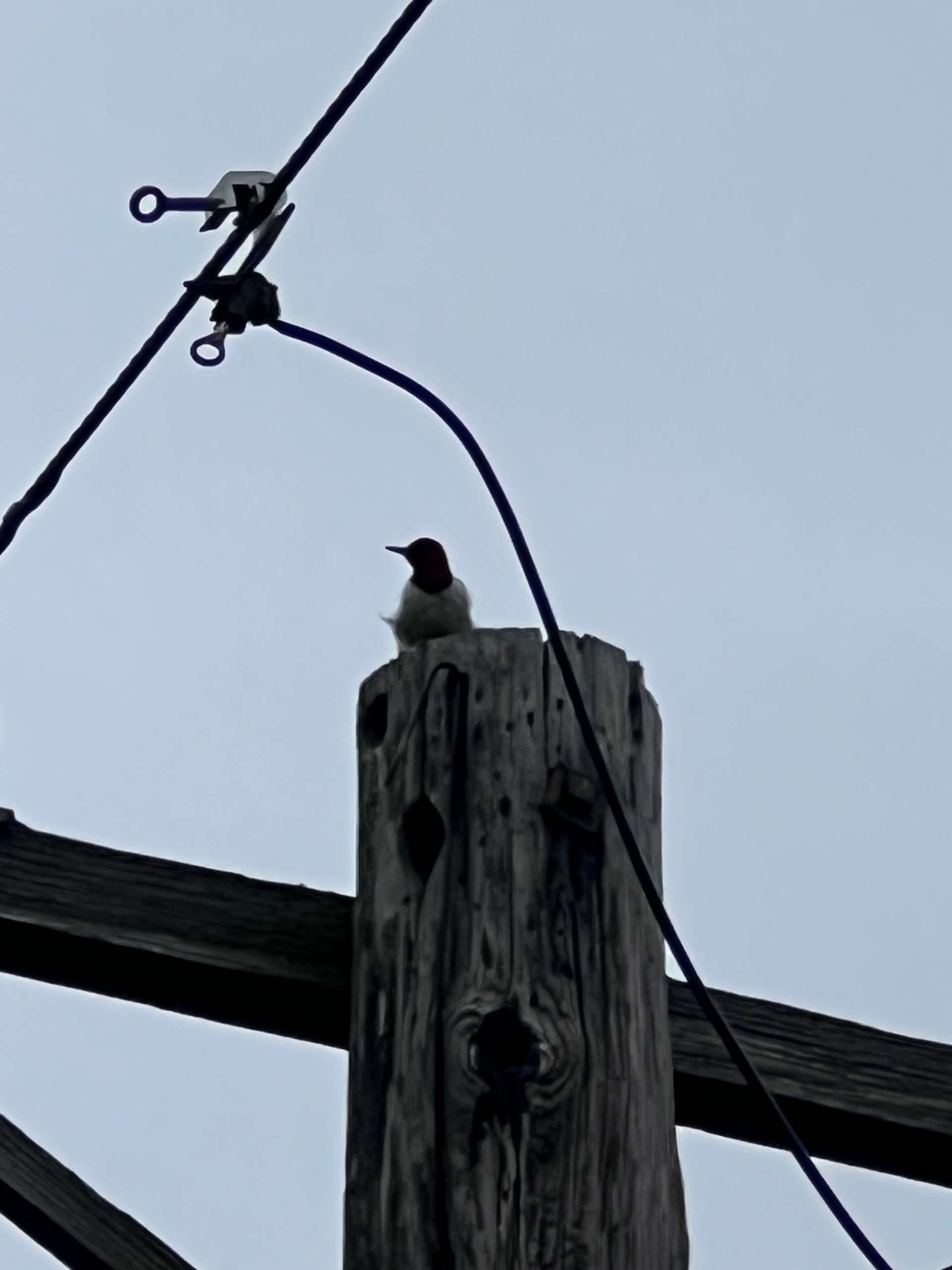
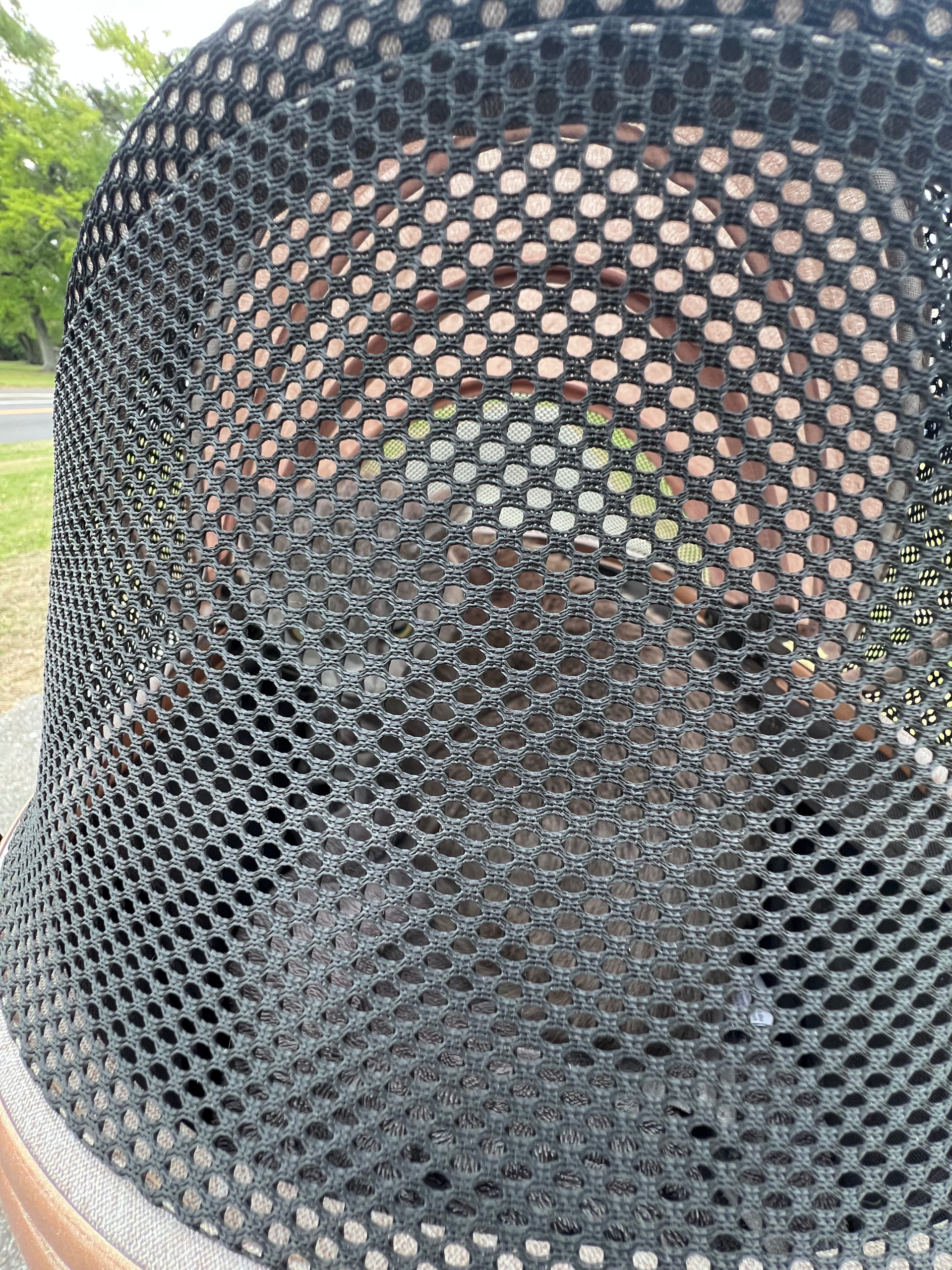


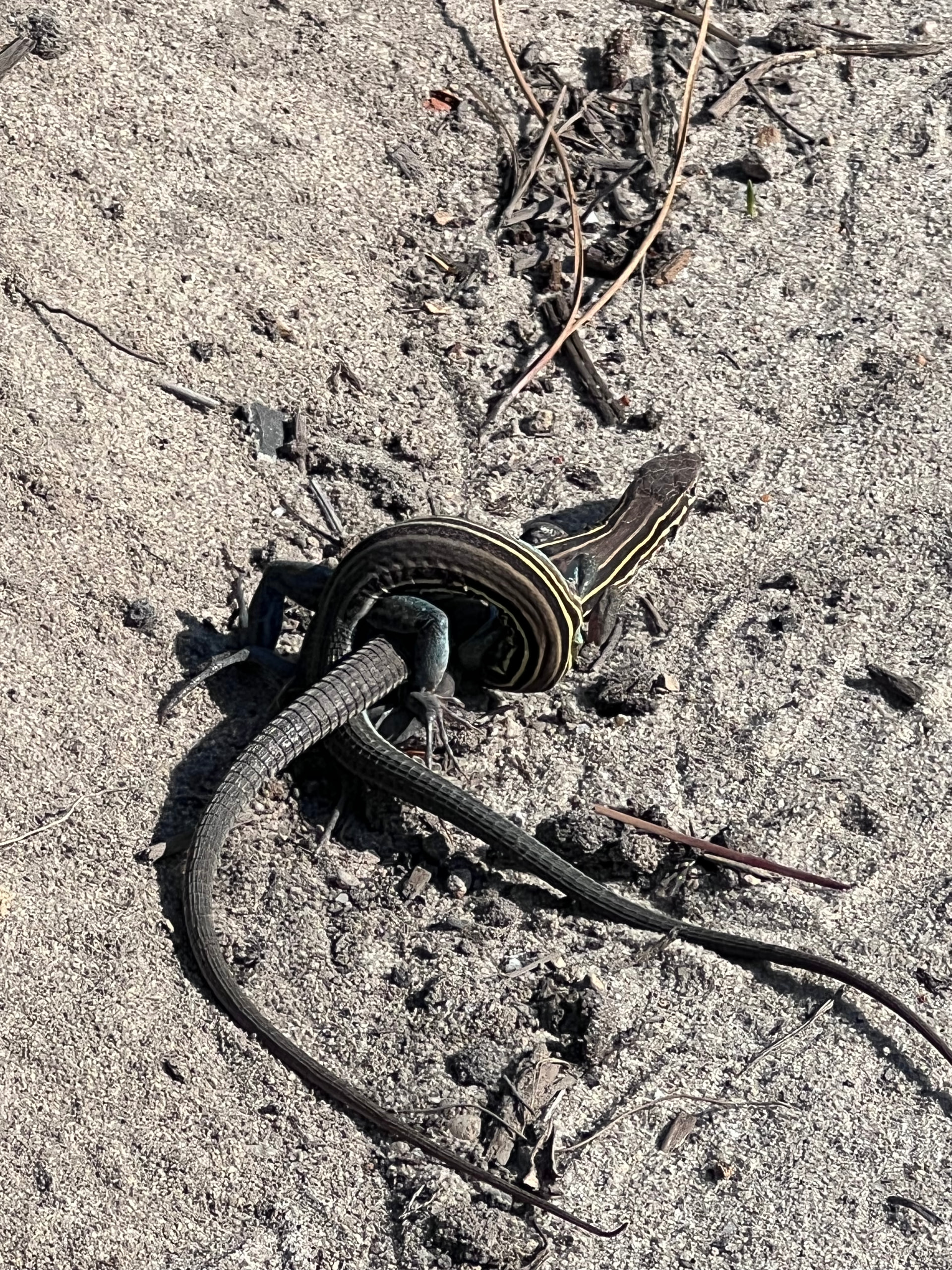
Random pictures over the weekend.
Not sure what order they are in.
My cat Uhyre in his walker from our walk this morning.
An osprey.
A red headed woodpecker.
Two lizards mating I think.
5 Likes
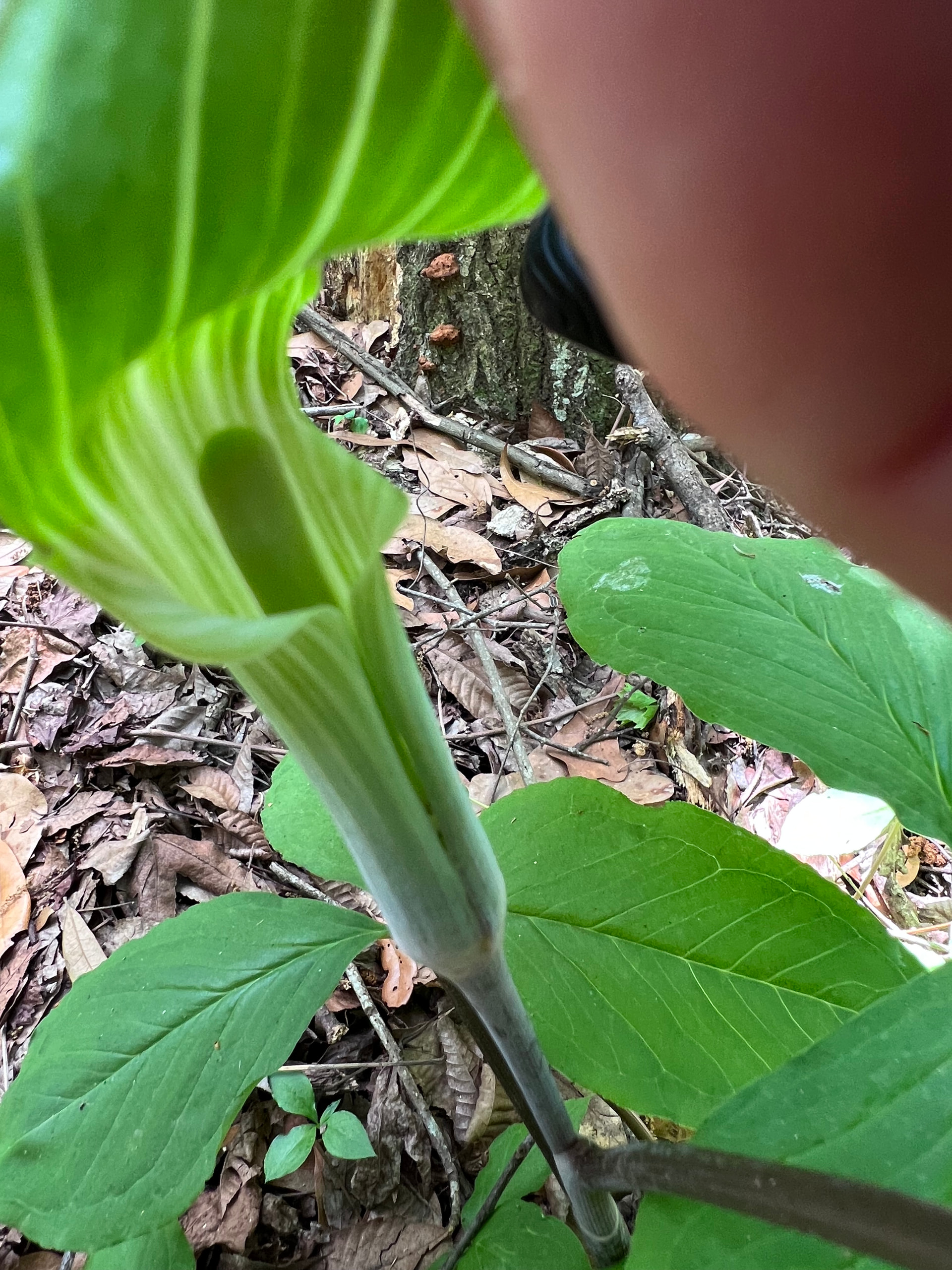
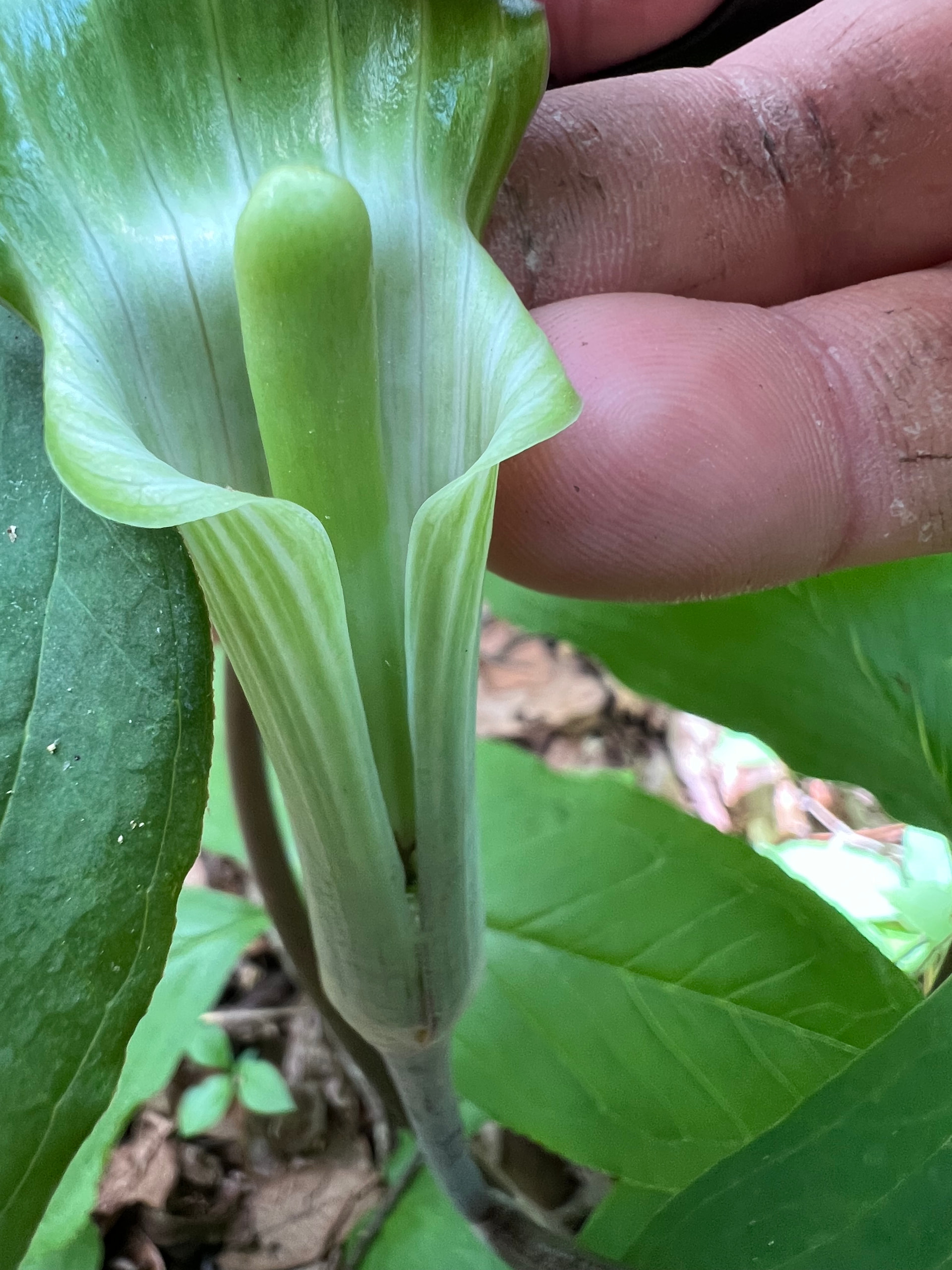
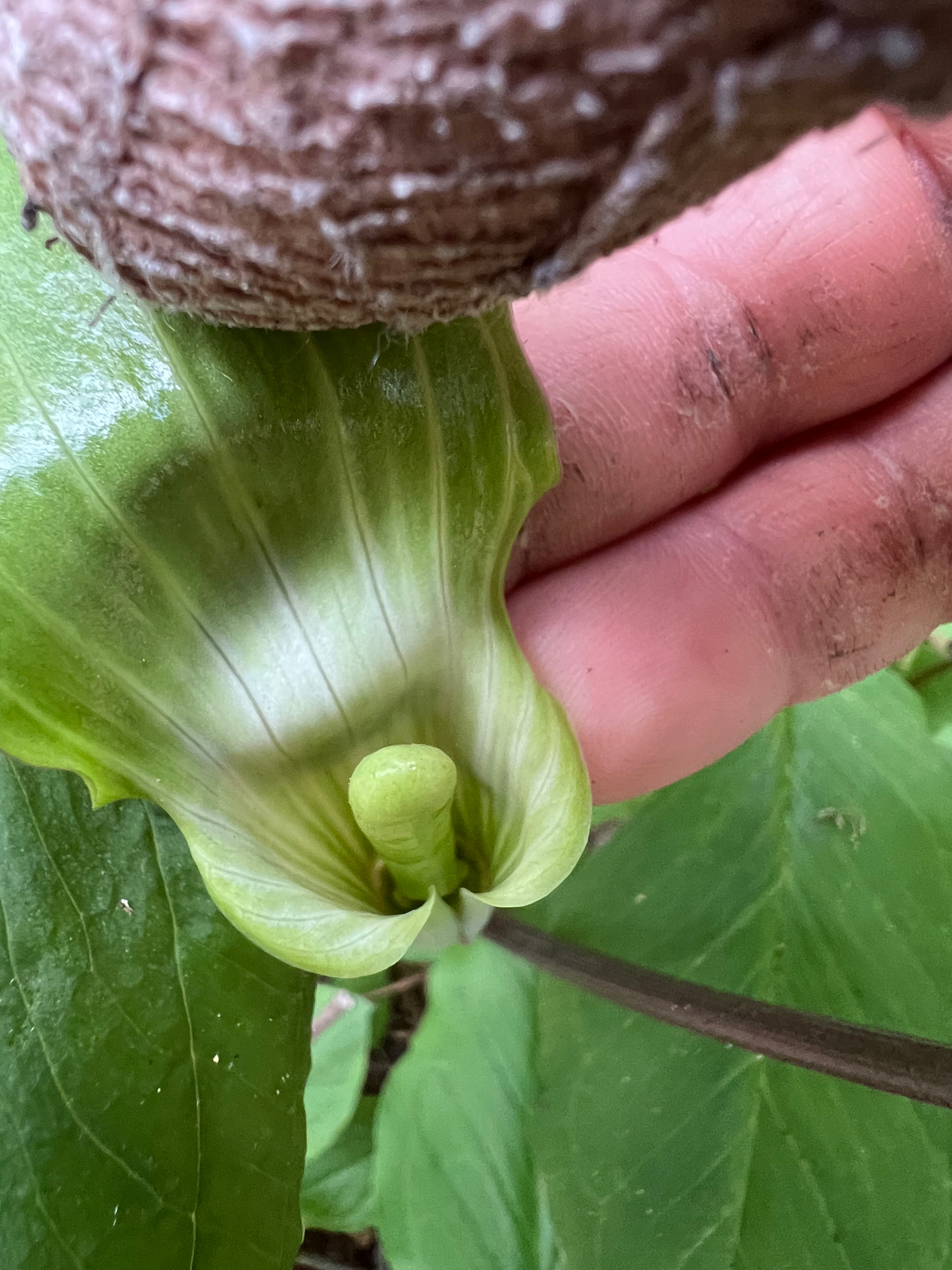
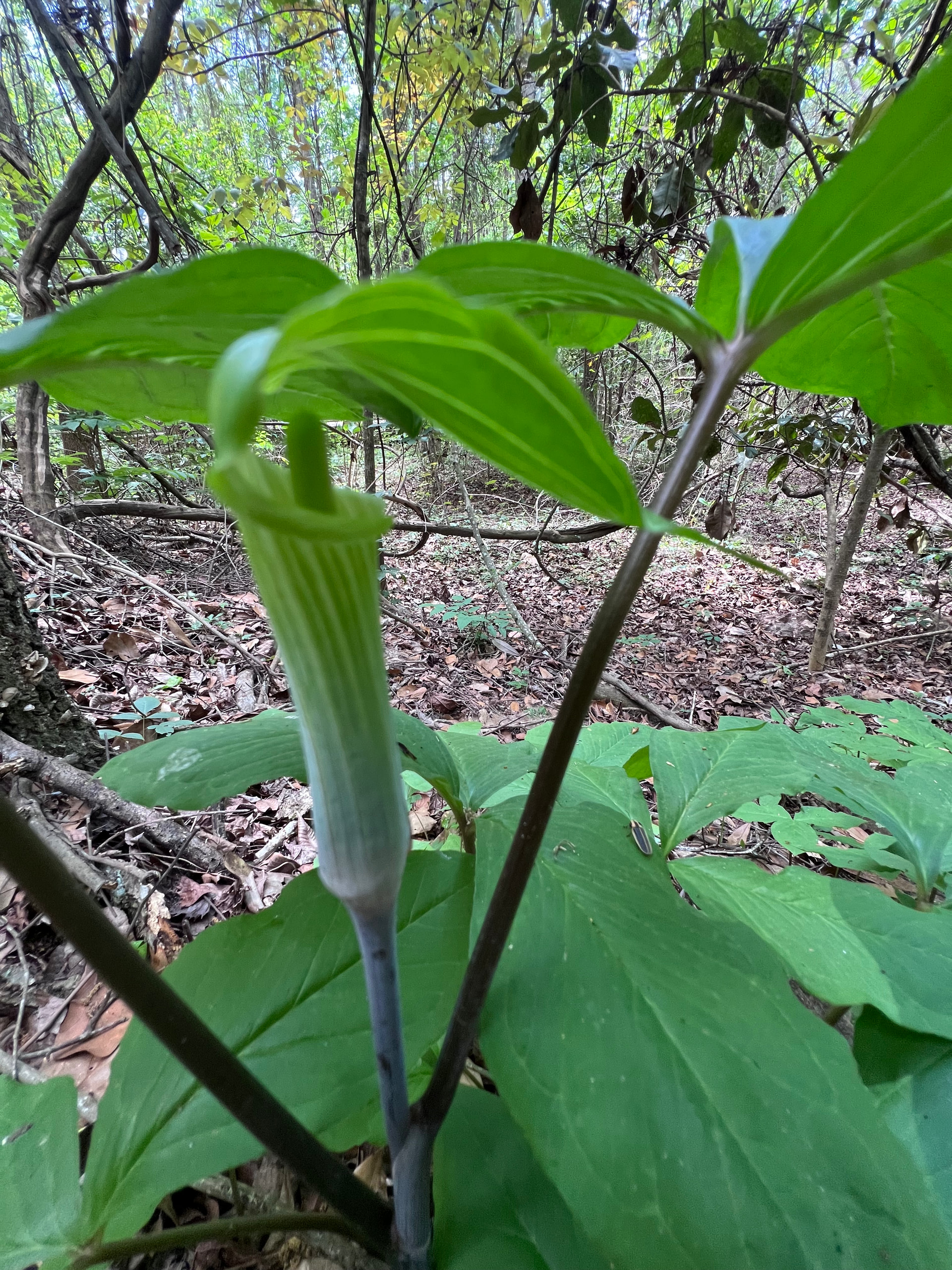
The common Jack-in-Pulpit a native of southeastern USA. Was reading their evolutionary history. Followed the same basic patterns as magnolias. They were originally in Asia. They traveled 31mya roughly into Russia, across the Bering Strait into Asoka and Canada and northern USA. As the ice ages came in they survived in southeastern USA. This is one will a cool history of the genus with multiple entries. First was the one I just mentioned. A species of Arisaema went through that .
Later on another species of Arisaema came to USA most likely though bird dispersal and beaches the Green Dragon.

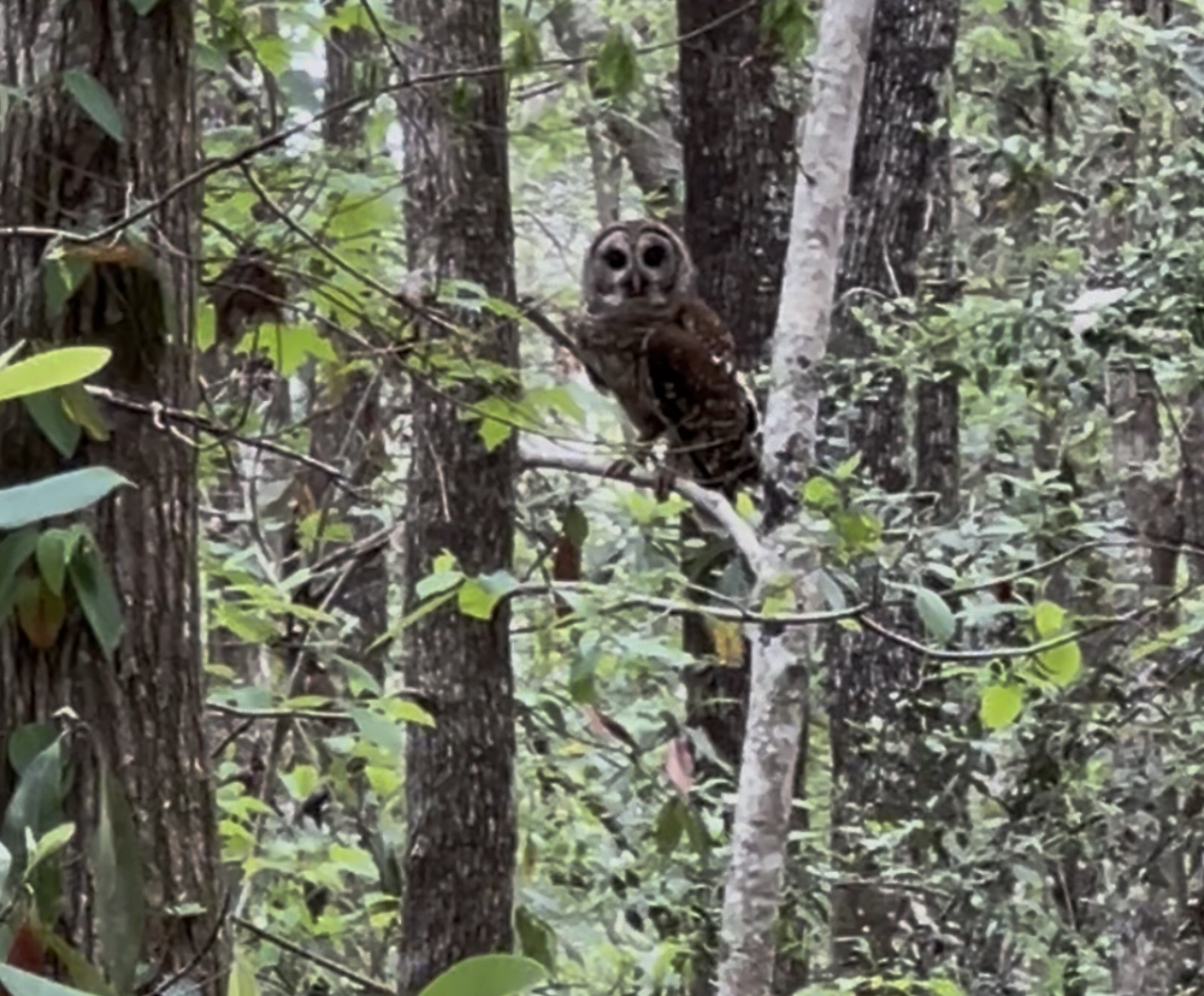
A barred owl.
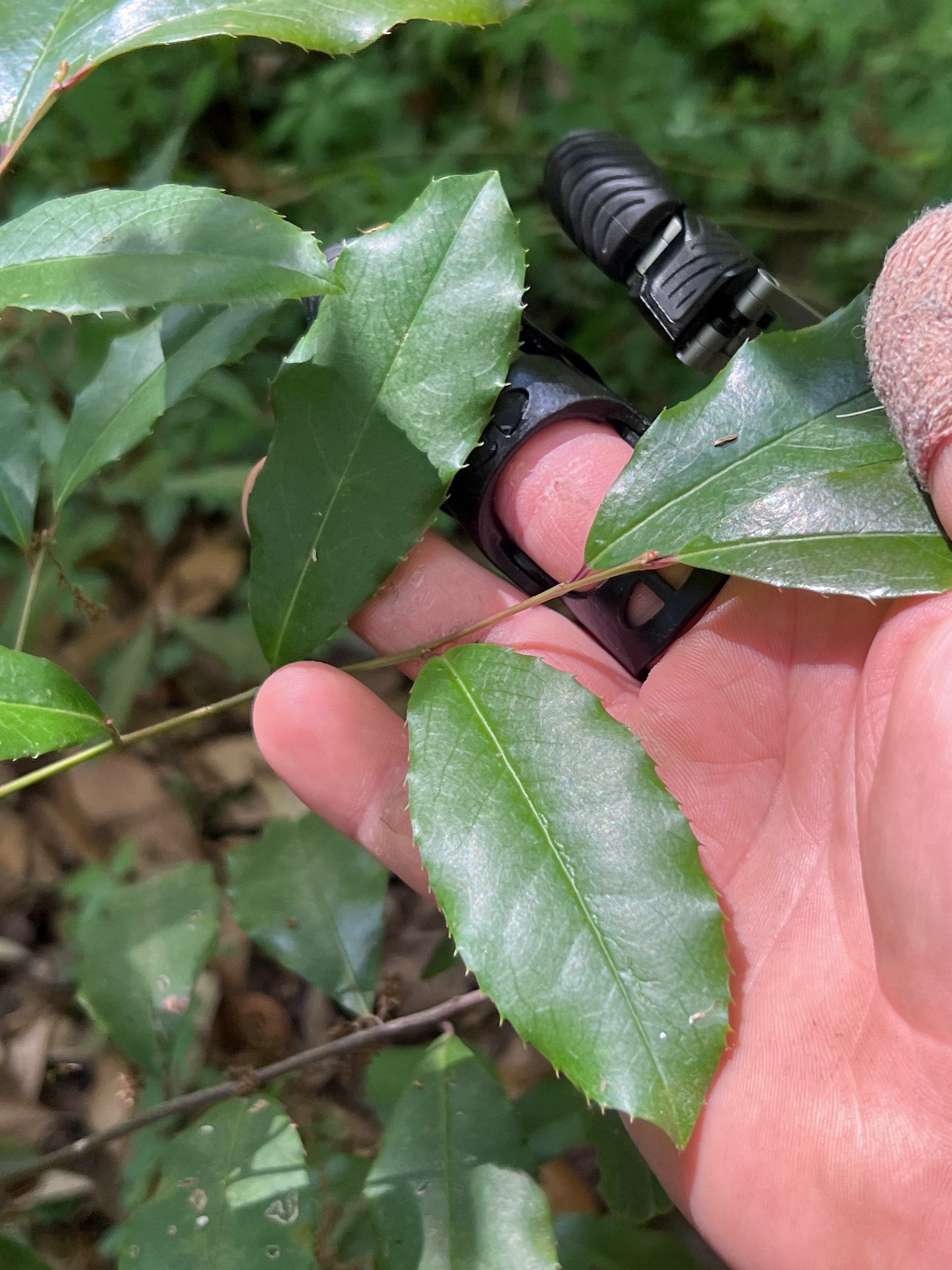
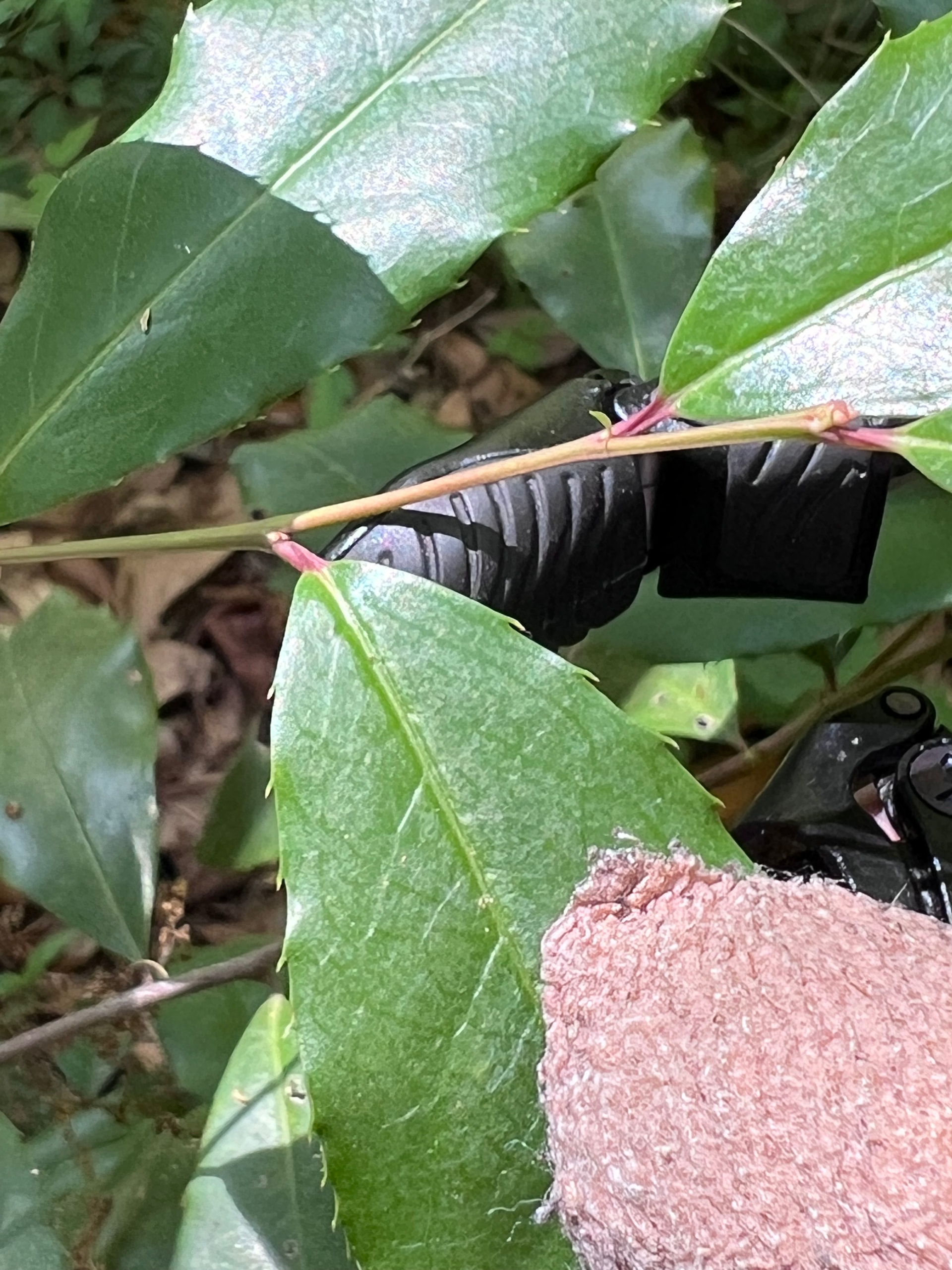
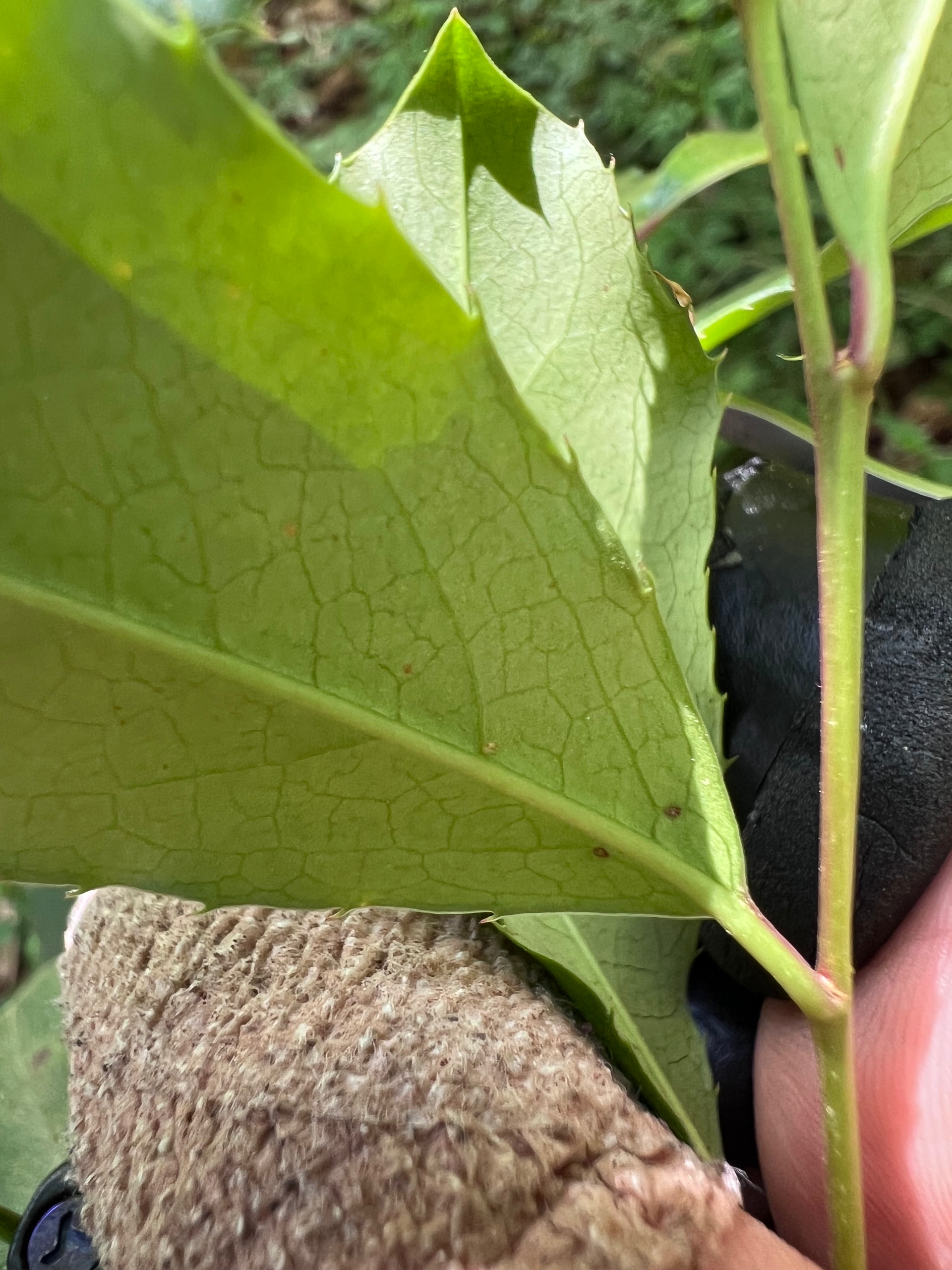
These two cherries are often confused by people. But once you know what to look for it’s pretty easy.
The black cherry. The hormone nodes are on the petiole. It has a longer pet.
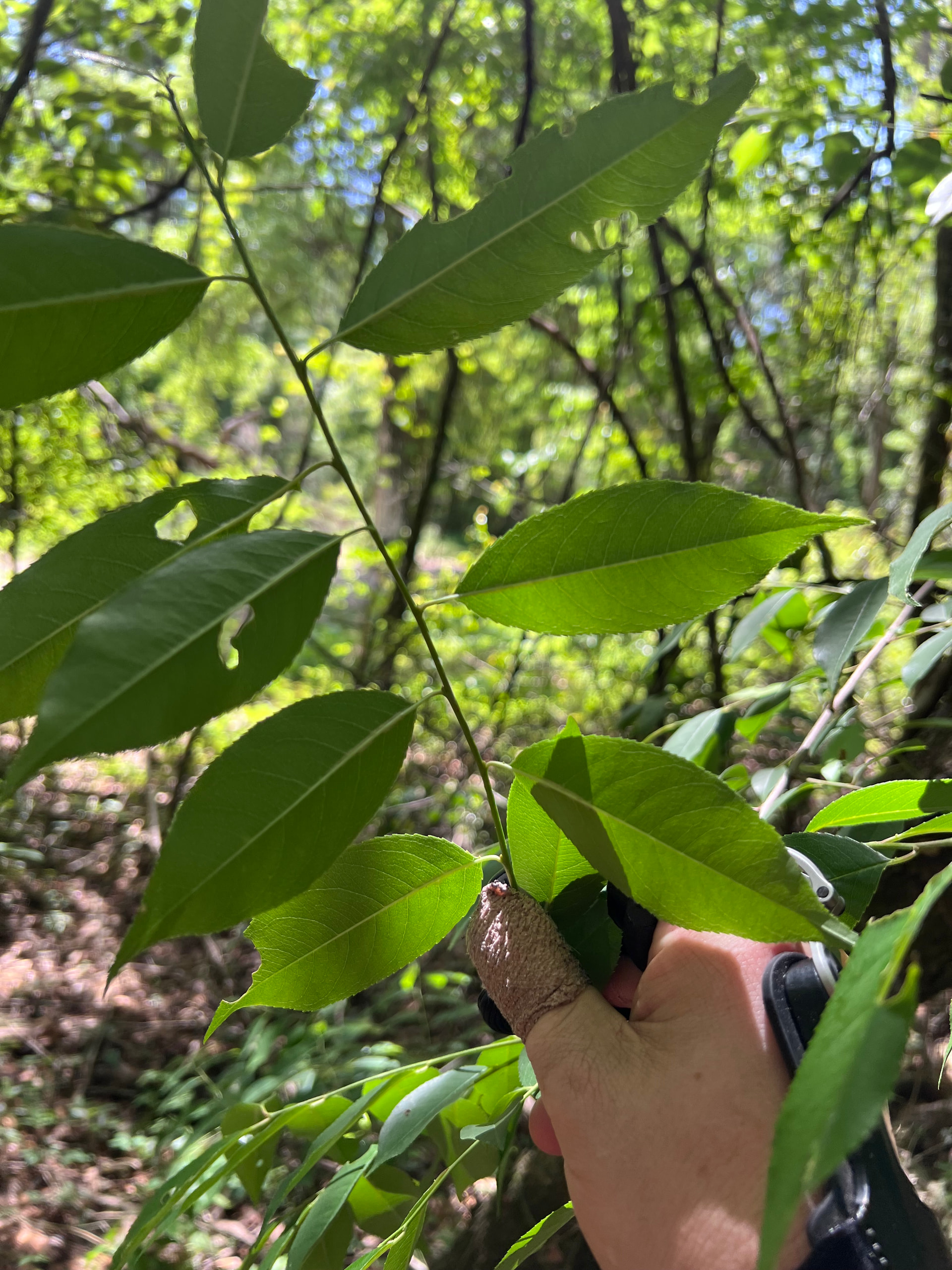
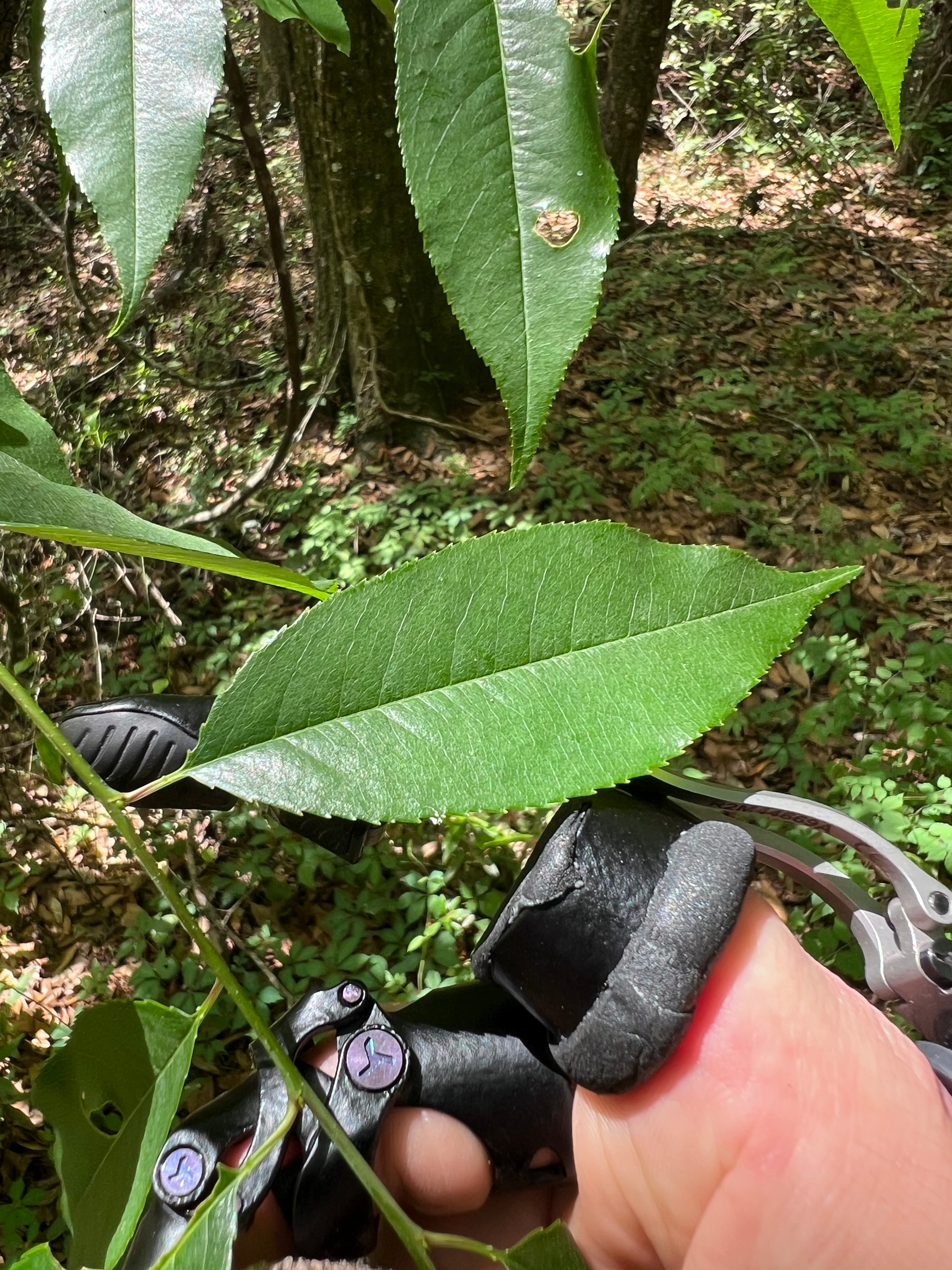
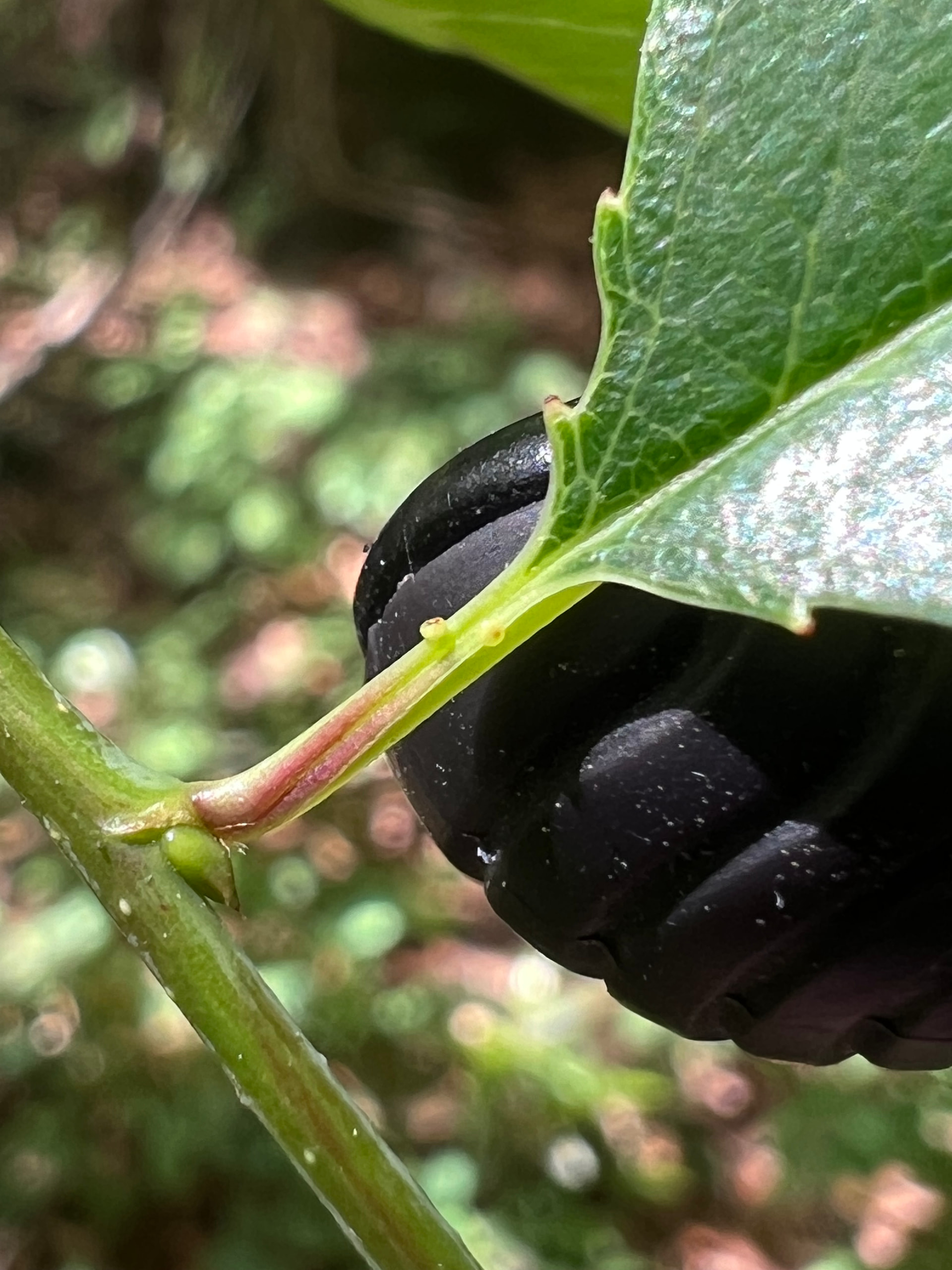
The Laurel Cherry. Shorter petiole and the hormonal glands are two discolored spots on the base of the leaf.
5 Likes
I had no idea of that transfer from Asia! That is so cool–that the birds distributed it. Thank you!
It’s had two main introductions.
A species of Arisaema moved from Asia into Russia, then traveled along the land bridges into Alaska, Canada and into USA. Then as the water levels rose it was cut off. Then as the world entered an ice age they found refuge from glaciers by surviving in south eastern USA. That was roughly 31mya. The species in this pic most likely came from this.
Then sometime later, seems to be 10-24mya was a second introduction of Arisaema seems to have happened by long distance seed dispersal which was most likely birds. I believe the thought is over millions of years birds dispersed seeds from Asia, into Africa and into the Americas. From this came species like the Green Dragon Jack.
Here is a good link to free journals. Lots of good info.
2 Likes