Or something else is going on. I vaguely recall from an ANE mythology course that humaniform images of the gods didn’t necessarily indicate that those were the forms of the gods but were rather forms that humans could relate to because they shared characteristics with humans. In that theme, we would expect humans to share characteristics with animals so that animals could relate to us as images of God.
That would be part of our job as imagers: an image is supposed to represent, i.e. to show forth, the deity to the worshippers, which means that we are to show as many of God’s characteristics as possible to the rest of Creation.
Thanks–I am so sorry–believe it or not, I was not questioning the use of mice in experiments, and I am grateful for what we learn. I believe that researchers in general are really careful.
Thanks.
2 Likes
T_aquaticus
(The Friendly Neighborhood Atheist)
23
I didn’t sense any accusations, so no need for any apologies. I do feel it is important for scientists to communicate to the public the ethics they follow, especially given the fact that most research is funded by public money. I do tend to go a bit overboard when these opportunities present themselves since too little info might be worse than too much.
In my view it is life itself which is made in the image of God. The infinite potentiality of life in its capacity to learn, grow, and evolve reflects God’s infinite actuality. So in some sense all living things are collectively the image of God. We are after all quite interdependent. And yet the life and relationship of all living things are not equal. We have vastly different capabilities to respond. And thus God says it is good when looking at creation and says it is very good when looking at us. Creating in ones own image is ultimately about a parent-child relationship. And so while all life reflects God, language makes a huge difference.
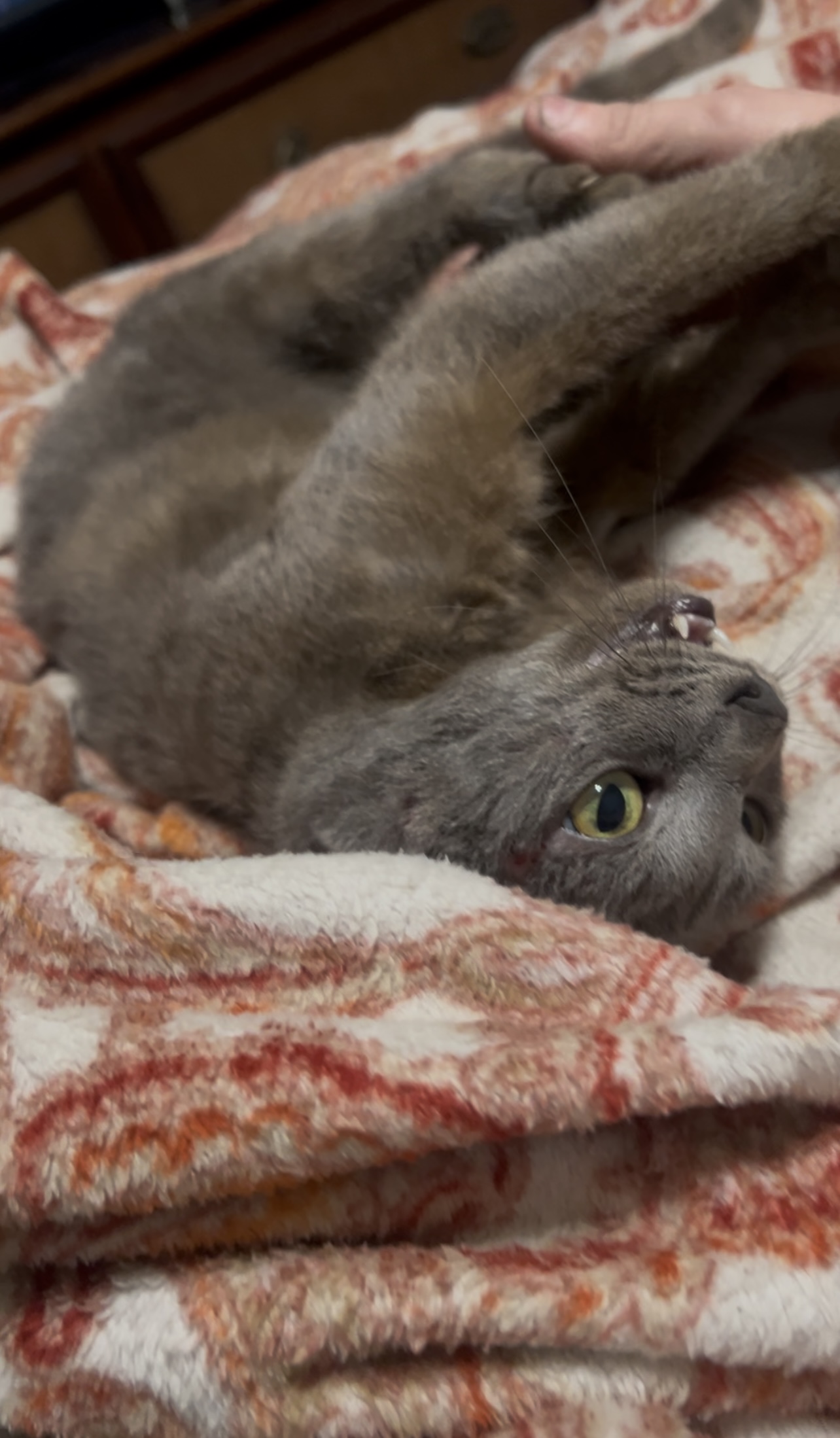
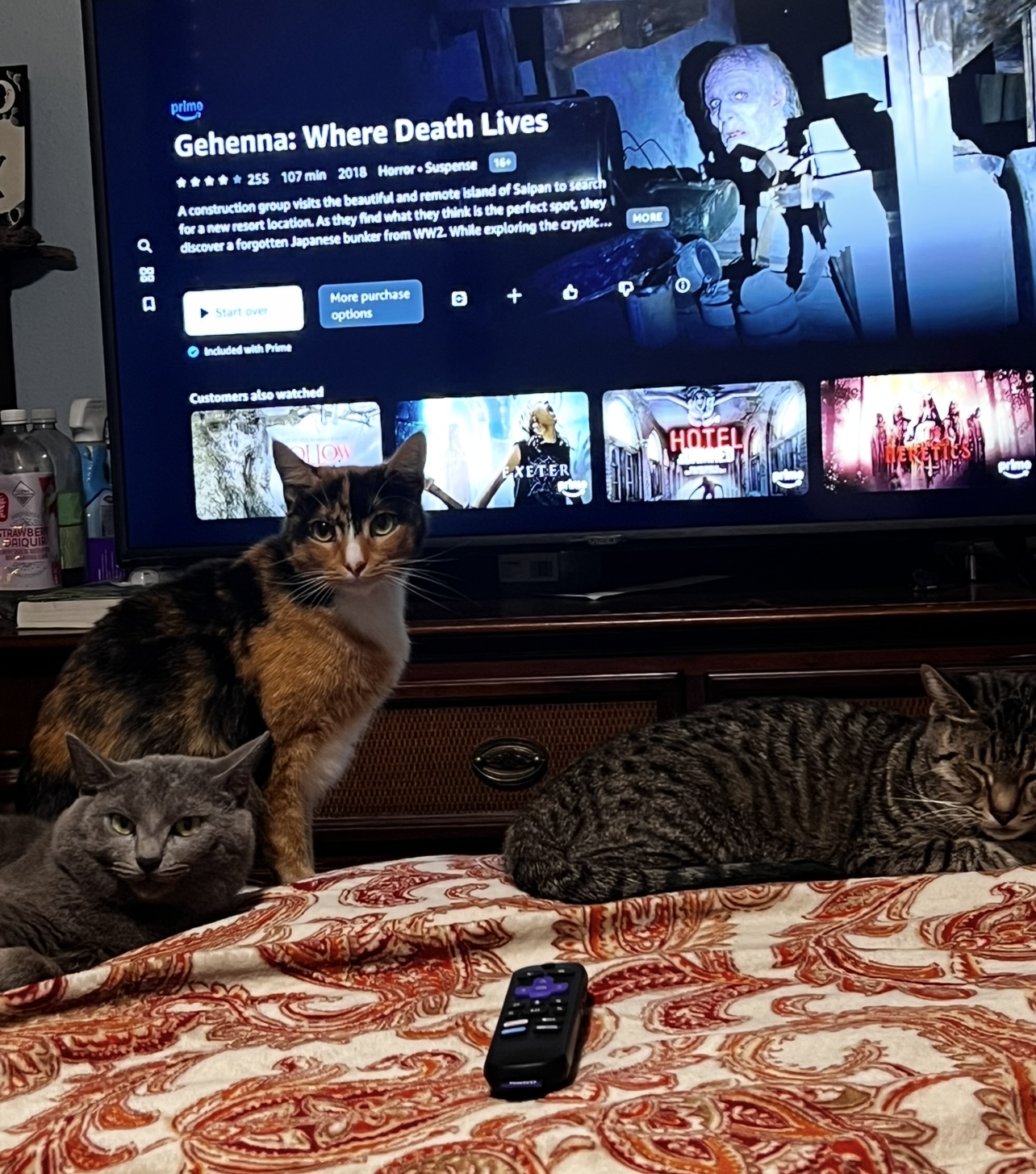
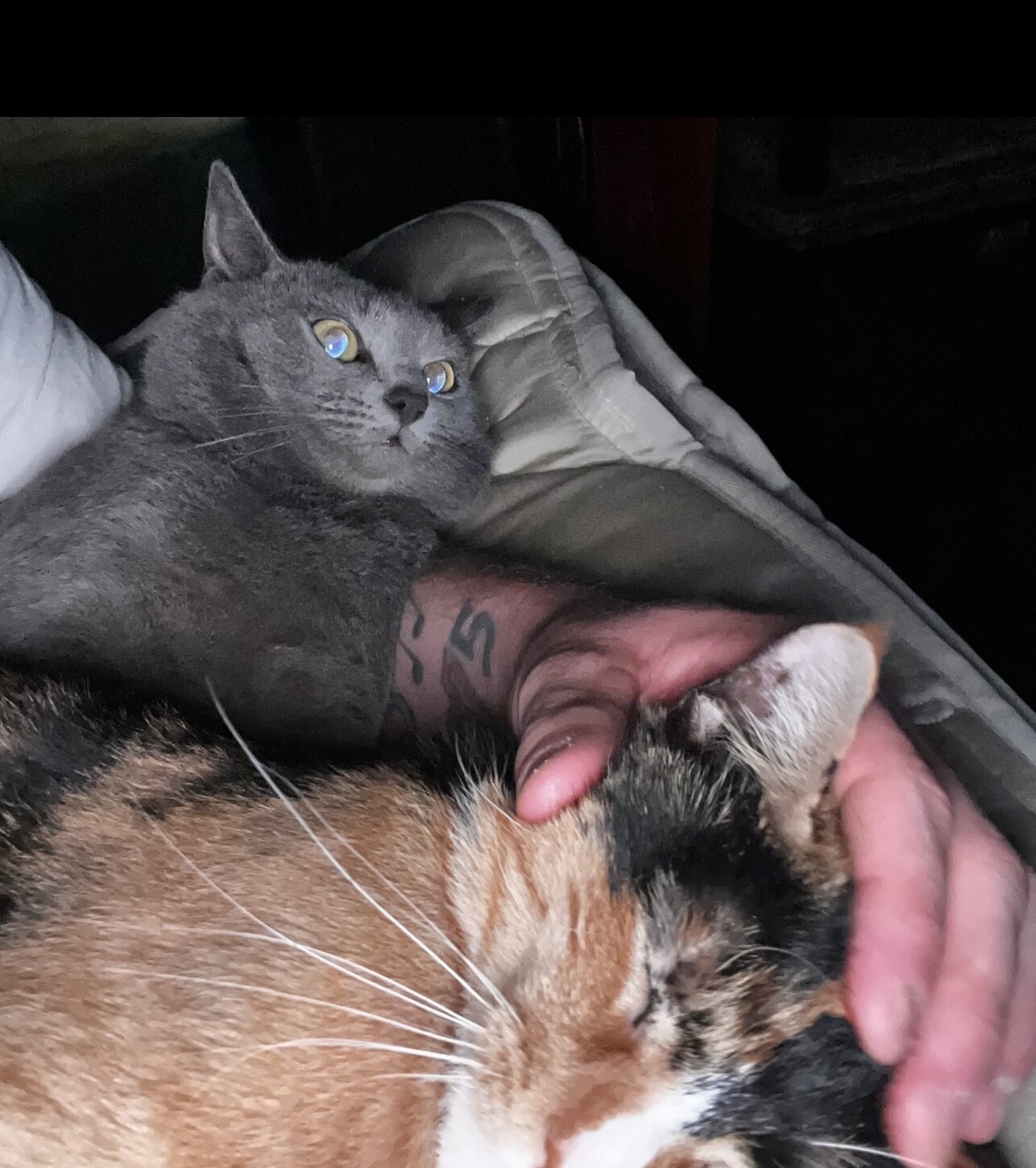
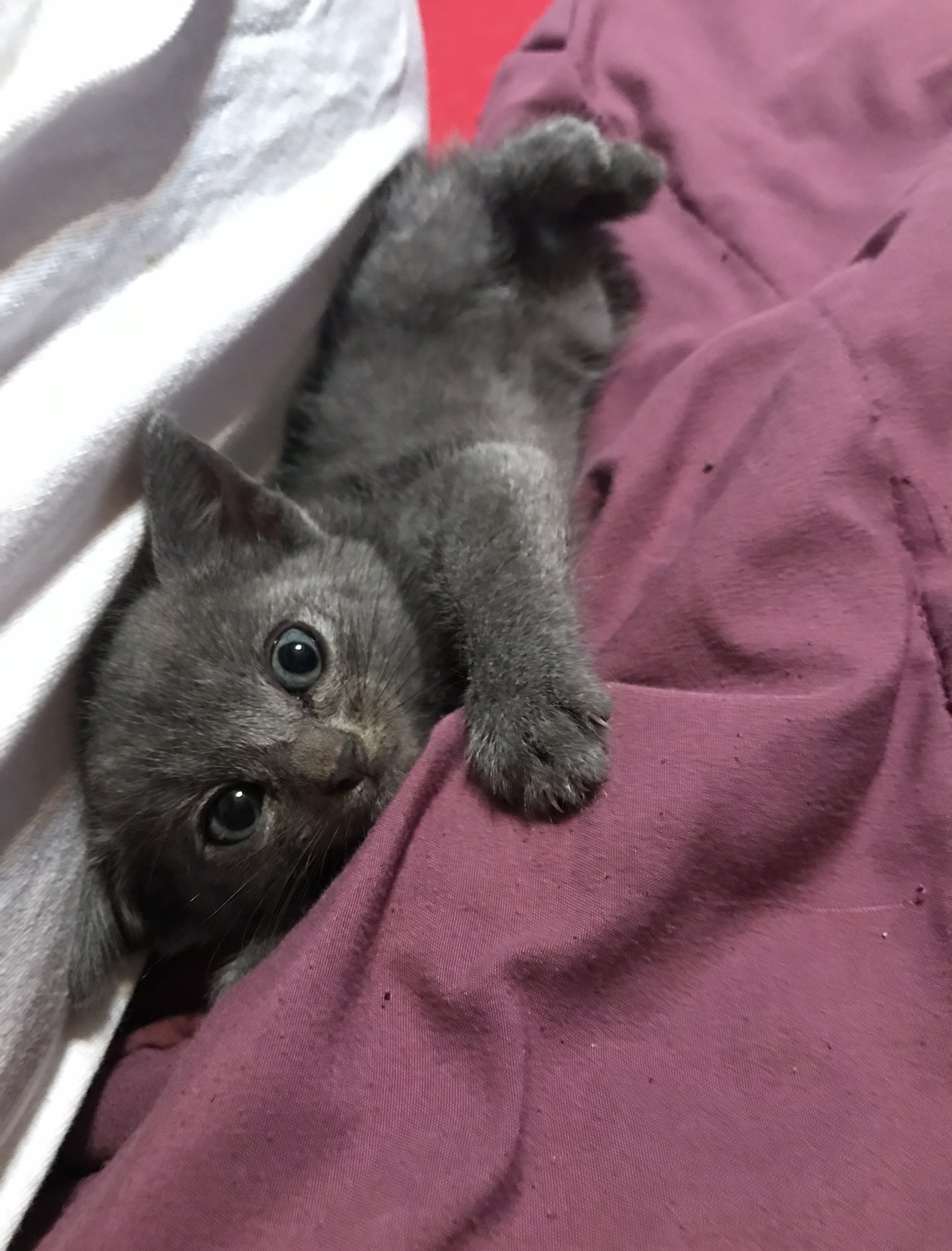
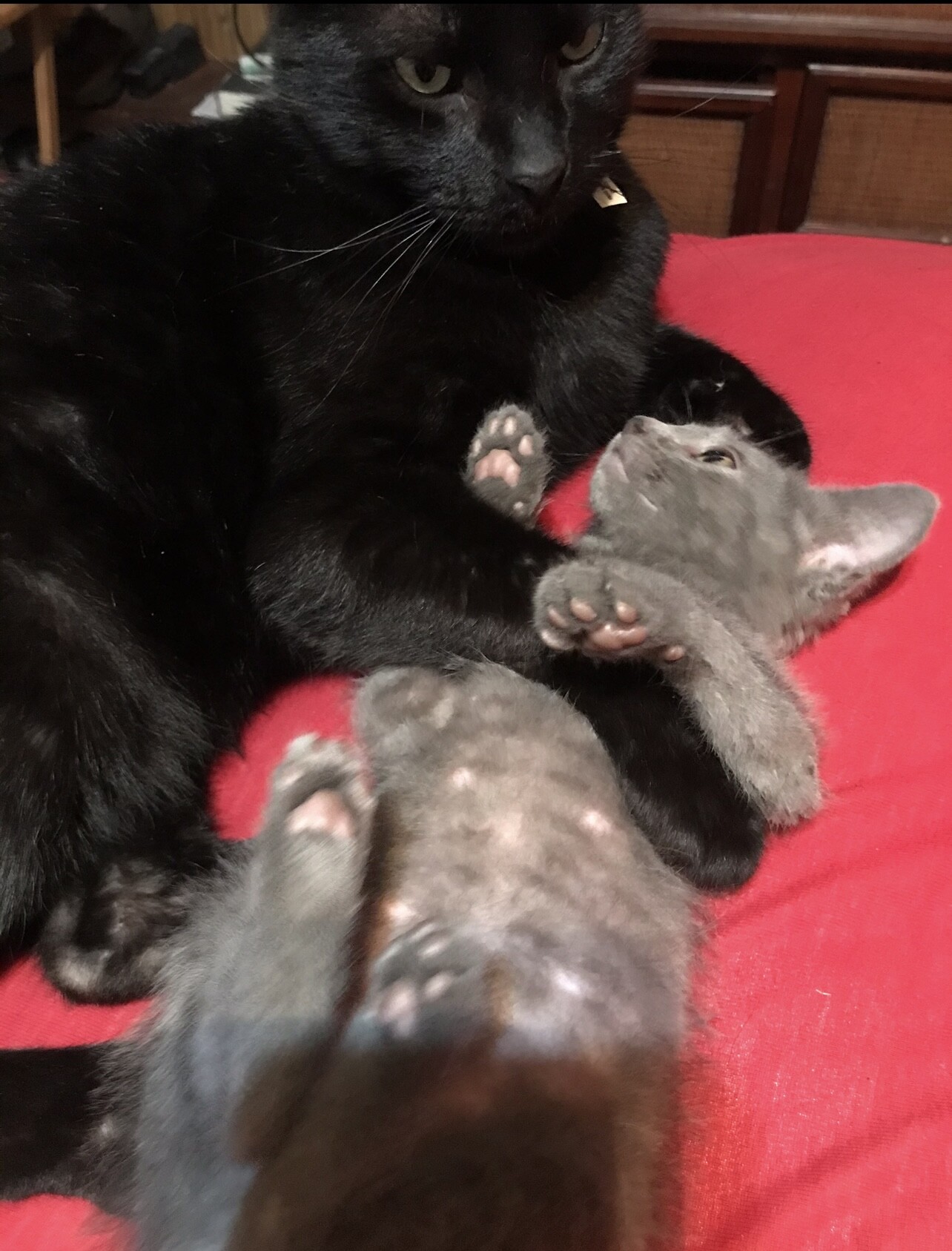
Lately I have been thinking I don’t much care for the idea of pets, especially cats and dogs. We turn them into perpetual infants. And I am finding the interactions they are capable of somewhat tiresome. (I have a cat which I have inherited from my mother.) While some like having a baby around forever, and I am quite good with babies, for me seeing them grow up is the whole point.
I like the science fiction where some animals are “uplifted” to become sentient beings themselves, or even the robots of films like “AI”. Shape and biology means very little to me. If they can communicate then they can inherit our ideas of love and justice. And that is what I would call human.
3 Likes
SkovandOfMitaze
(Intellectually Atheist Emotionally Christian )
25
I always imagine if the FBI gets involved to find two dying piglets that was freed, as a sneak attack against investigative journalism and free speech for animal rights, then I wonder how much is also not honestly told by the scientific community concerning their test animals.
With respect to domesticated animals, our “dominion” is somewhat different. The famous zoologist Dmitry Belyayev (zoologist) - Wikipedia and his assistant Lyudmila Trut said (which they quoted from a novel): “You are forever responsible for what you tame”. This is because domesticated animals are highly unlikely to be able to survive in the wild.
I know that every individual person may not be called to look after a pet, but we as humanity have this responsibility.
Cats are somewhat different than dogs, but I do think that dogs have a rich emotional life that we humans can form a relationship with. Maybe you will find that the cat has interesting complexities if you study it. There is also the saying: “Dogs have masters, cats have staff”. .
In a way that is true given the meaning of Paul’s term πρωτότοκος (pro-TOH-toh-kos) in Colossians since it implies that everything that exists was ‘shaped’ according to Christ. That fits with the concept that the specific image(ers) of God must share attributes of those to/for whom he is imaging God.
Nice thought.
I guess that is a simplification that does not capture the whole truth.
The key difference between dogs and cats is that dogs are social (pack) creatures, cats largely solitary creatures. The signal language of cats is less familiar to us, so we cannot read it as easily as the signals of dogs. For example, how many of us knows what it signals when a cat turns its back towards us and walks slowly away with its tail up?
As social pack animals, dogs are ready to obey the dominant individuals in the pack but they also try to rise in the hierarchy. If possible, they would turn us to staff instead of masters.
I am higher in the pack hierarchy of our household than our dog, so the dog has to obey me instead of vice versa. Yet, the dog is eager to remind me when it is the time to go to a walk and get food - the dog knows surprisingly well the clock. When we go out with the dog in the leash, we are both attached to the same leash. Although the dog has to obey me, I walk in the leash because I have to take care of the needs of the dog. Who is then the master/staff/slave?
There are far too many whose humans volunteer to be staff, allowing the dog(s) to be in charge in many activities, as illustrated by the infamous question, “Who’s walking whom?” I’ve started making sure that when we go for a walk I’m the first out the door, and training Knox in the command “Follow”, because going first means (to a dog) that he is in charge.
That depends – if the dog is out front, in his mind he’s the master.
A trainer told me that the hardest thing to train a dog in, in terms of walking, is to walk right next to a person, nose no farther forward then the walking person’s knees reach. Leading comes naturally because it means higher status, following is also fairly natural because it means submission to the pack leader, but walking side by side doesn’t mean either of those and so is hard for the dog to understand.
3 Likes
T_aquaticus
(The Friendly Neighborhood Atheist)
30
Cats domesticated themselves which would mean cats are responsible for themselves. Frankly, that’s not a bad description for cats.
Some traits have been selected widely, like trying to get rid of aggressive behaviour in domesticated animals. That may risk the survival of the released animals but there are exceptions. For example, a small proportion of escaped large dogs may pair with a wolf and their offspring may survive ‘too well’ because they have less inherited fear for humans.
That kind of breeding between escaped dogs and wolves is not ok from the human viewpoint (increased risk of conflicts with humans) or from the viewpoint of the ‘pure’ gene pool of the wild species, so the standard strategy for such cases is to shoot the hybrids. This kind of human aggressivity towards the hybrid offspring may not count as “highly unlikely to be able to survive in the wild”
In domestication, some features have been considered so beneficial for humans that they have been selected even if they risk the welfare of the animal. For example, attempts to produce more meat, wool or larger hides have given us animals that would rarely survive in the nature. A simple reason may be that these animals need much energy and are not trained to find their food in the wild, escape predators or provide sufficient care for their offspring. They might survive in the wild after a period of learning but they starve or are killed by predators before they learn. Or as in the case of sheep with continuously growing wool, the overgrown wool gets stuck to vegetation, although the sheep would otherwise be able to survive, at least until a wolf or other large predator finds it.
Cats are a special case in that they are more independent. However, their survival depends on the environment. In cold environments, cubs born in the wild often die because of the cold or after being weakened, to diseases. In most cases, cats are dependent on the extra food humans provide and would starve or not be able to reproduce succesfully without humans. The extra food given by humans is the reason why cats are among the most devastating creatures for wildlife - cats have probably killed to extinction more species than other modern species, excluding humans and some species that were introduced by humans to new environments.
Yes, I know that “pithy quotes” always oversimplify complexity.
In the case of dogs, according to “The First Domestication” by Dr. Raymond Pierotti and Brandy R. Fogg, it is more accurate to think of wolves and humans co-evolving.
I know that domestication is a continuous process, with many intermediate stages between wild and very human-dependent. My only point is that many domesticated animals, such as toy breeds of Poodle - Wikipedia, could definitely not survive in the wild. Since we as humanity have made these breeds, I think we are responsible for them.
That is a helpful observation. As a child, I remember people pointing to weeds in the garden as evidence of the Fall–that they survive and out compete the domestic plants. However, not only are they not made for the climate where the native plants/“weeds” are from, but we select most garden vegetables for their sweetness, size, juiciness, and fruit; some even that don’t produce seeds any more. None of these features helps them outcompete other native plants, but it gives us the impression of a malevolent force that may come from our fall/fault.
There has always been some selection pressures that have driven the evolution of fruits towards a specific direction. Before the artificial selection by humans, a key factor may have been the animals that eat the fruits and spread the seeds.
It has been claimed that some large fruits are adaptations to a situation where megaherbivores, such as elephants, were consuming the fruits. When the fruit was large,only the megaherbivores could swallow them whole and spread the large seeds with their feces. A large seed gave more nutrients to the seedling and thereby increased the survival of the seedling. Mango may have been one of those fruits.
SkovandOfMitaze
(Intellectually Atheist Emotionally Christian )
38
That’s also the evolutionary history of pawpaws and mega fauna like the giant American ground sloths. Which also all prehistoric sloths seemed to have been larger and ground dwelling.
Cats are also very affectionate and develop in packs. Tons of cat colonies and so on. Not quite the same as dog packs but still packs.
My cats are always wanting affection. So much that I often have to close my door to my bedroom just so I can study.
There is also some evidence that species of crocs that were predominantly plant eats spread fruits too. Alligators can actually live in a fruit diet just fine. I can’t remember if they think all crocs came from a vegetarian croc like ancestor or if just intros independently in several of their ancestors.
 .
.