I had some younger (high school, I was in university) Mennonite friends whom I accompanied to a swimming hole one day. One of them said he’d heard that I would go skinny-dipping, and another said, “Skinny-dipping? That’s not very Mennonite!” The others looked at him, laughed, and shed everything to jump into the river.
After that I knew that the declaration “That’s not very Mennonite” presaged some ‘outrageous’ behavior.
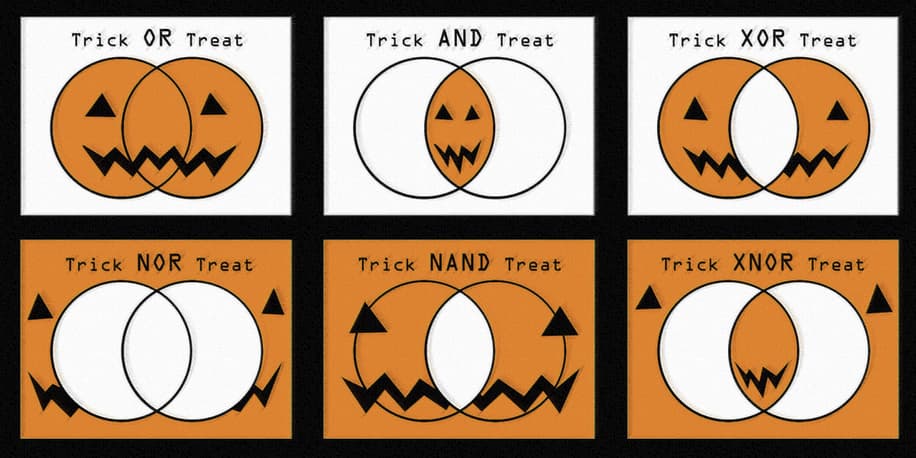
The image uses jack-o’-lantern Venn diagrams to illustrate Boolean logic operations between “Trick” and “Treat”:
-
OR → any part of the circles (Trick ∪ Treat) is orange — you get either or both.
-
AND → only the overlapping region is orange — you must have both.
-
XOR → the non-overlapping parts are orange — one or the other, but not both.
-
NOR → everything except Trick ∪ Treat is orange — neither trick nor treat.
-
NAND → everything except the overlap is orange — not both at once.
-
XNOR → only the overlap and the outside are orange — both or neither.
Creative.
.
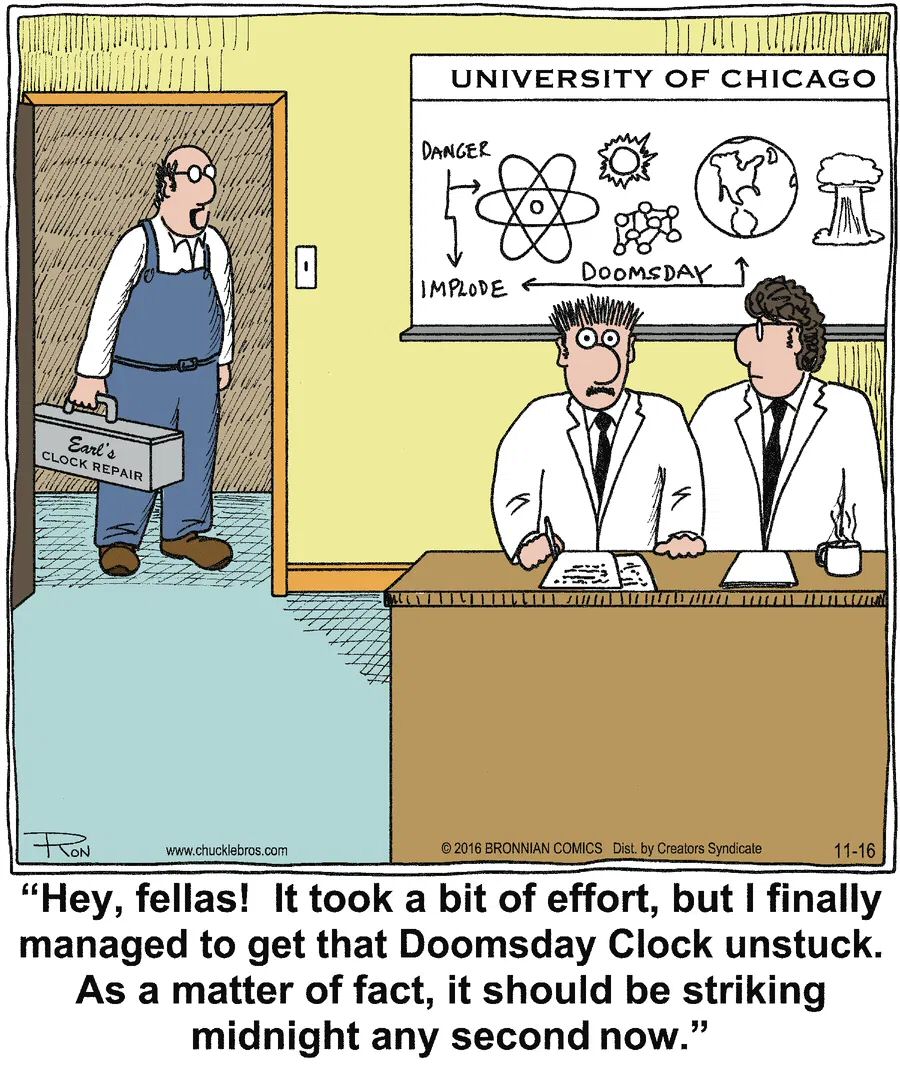
In case anyone doesn’t get the joke, it refers to the Doomsday Clock feature from The Bulletin of Atomic Scientists, in a literal sense.
What, are you implying the clock doesn’t control when doomsday will happen? 

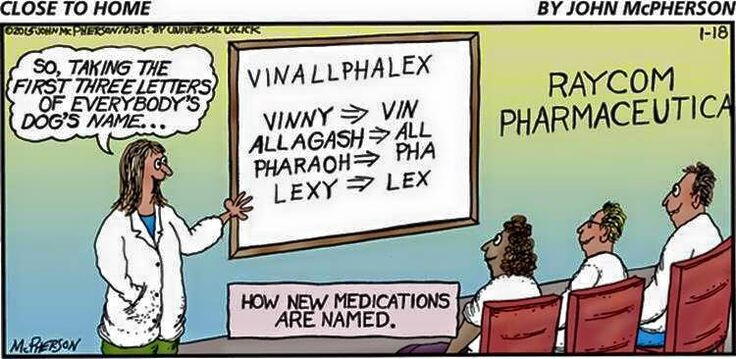
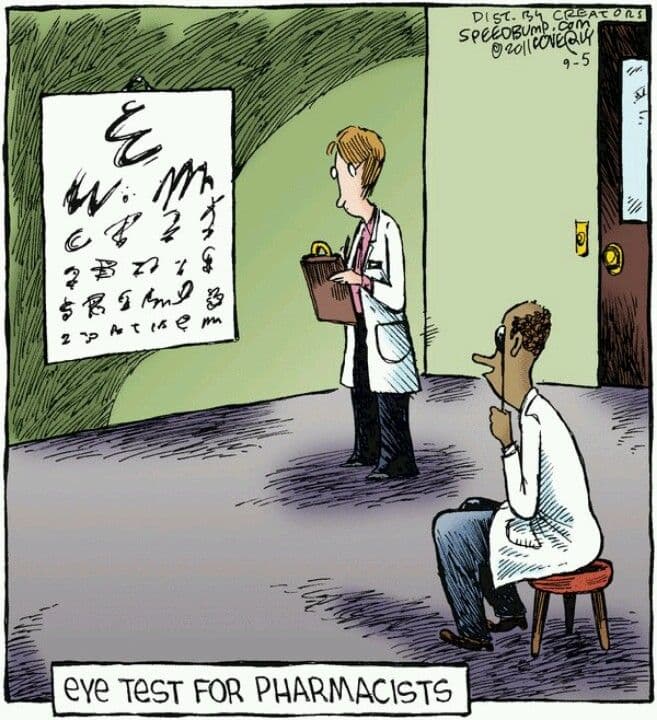
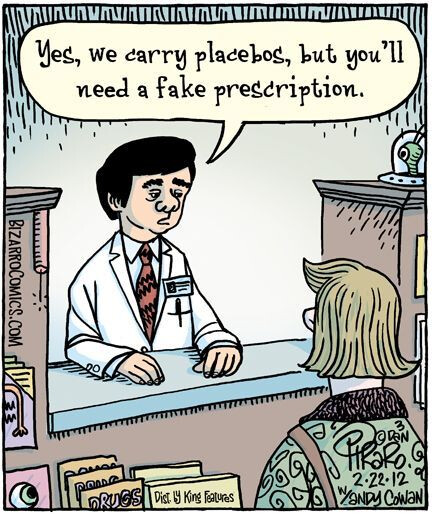
Warms my little librarian heart!
Boo!
Thanks, Terry.
Unfortunately, its control is in far less reliable hands.
Academia.edu is offering a new little perk to people who use their system. They can make an AI produced cartoon based on a paper you have written. So I decided to give it a try. First, I had it use a paper I published a long time ago, Population Genetic Structure in Cheilanthes gracillima. It didn’t do too bad a job, although it is highly technical, it was more or less true to the point of the paper. I guess they think such cartoons might help authors gain more readers. Here is the cartoon:
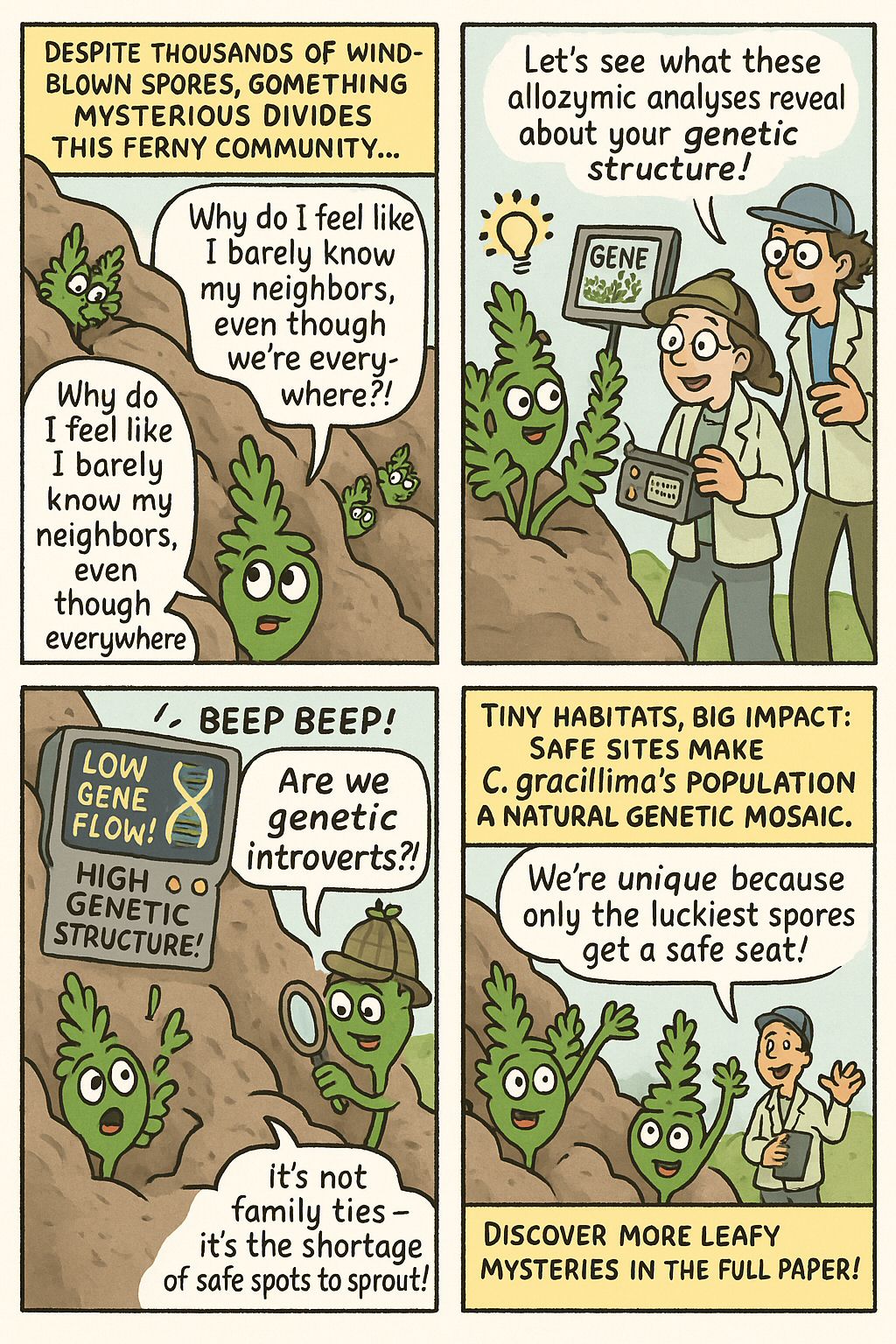
Then I gave it a book review I published a few years ago and it gave me this (the book the review references is actually listed at the bottom of the cartoon.
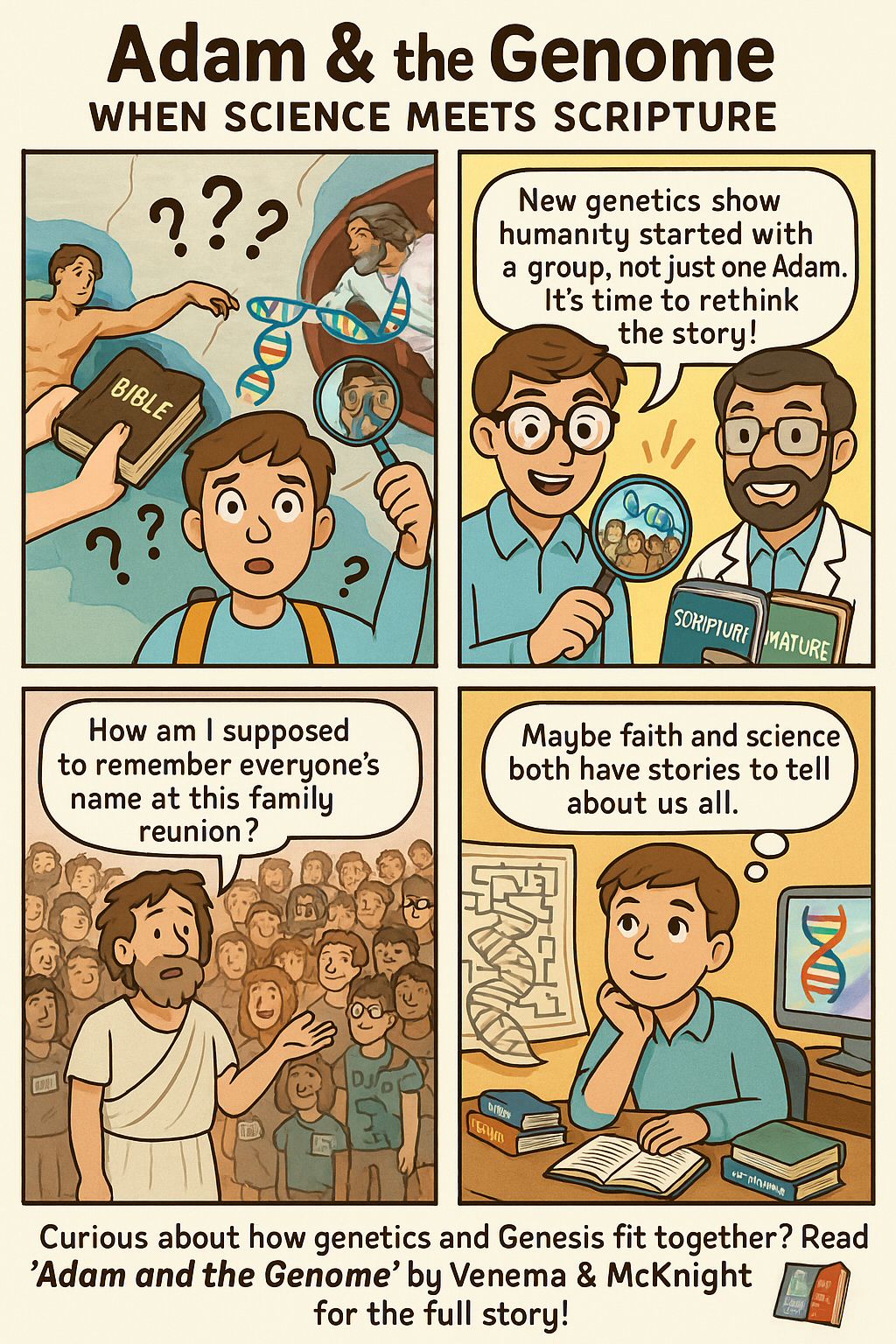
So, is it a useful thing, a trivial novelty, or something worse. I have a few reservations. First it takes away from creative opportunities for actual artists. Second, a bit of a darker problem in my mind, is the energy consumption of AI. If people do more and ever more using AI the electricity consumption may become a significant contributor to greenhouse emissions.
Anyone else have any thoughts?
-
During daylight hours only, when the AI solar collectors are working.
-
AI poetry production is hit or miss.
Academia (the specific company, not academia generally) is making AI-generated cartoon versions of papers without asking if they are wanted, also. “Don’t you want to see the cartoon version of your paper that we made instead of making our services work better?” I did not bother looking at what they generated for one of my papers.
I find their making of the cartoons on our papers without even asking permission a little troubling as well. Although it does not strictly break any rules, and they say they will not release them without the permission of paper authors, it still seems overly intrusive. Plus, if I am concerned about the energy used by AI, this overrides my concerns. Why are they expending all this energy when I haven’t even asked for it? Of course, advertising itself falls into a similar category, and this is a form of advertising on their part.
My grandparents learned that their daughter…my aunt…had eloped on a party line call!!!