4 Likes
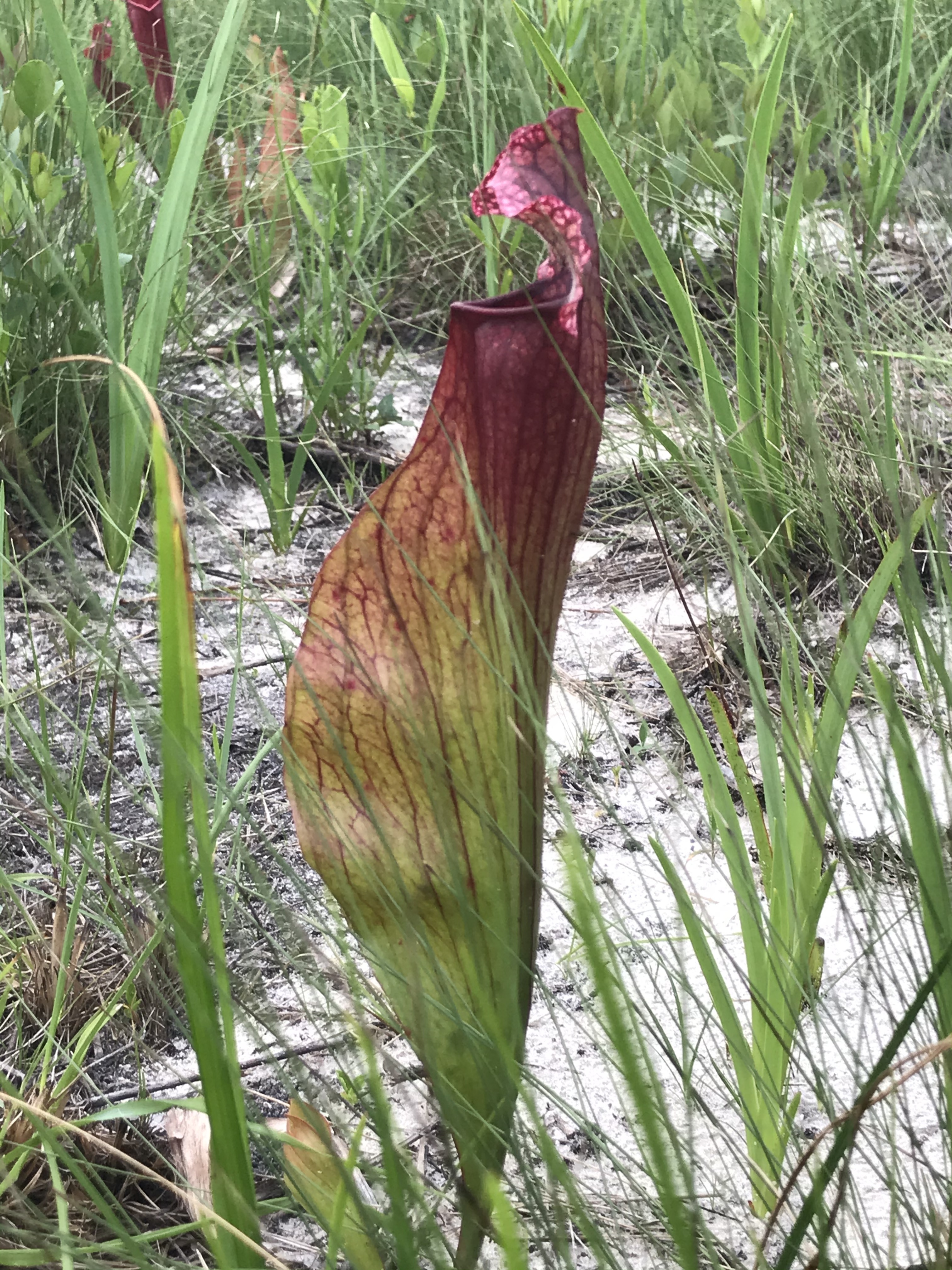
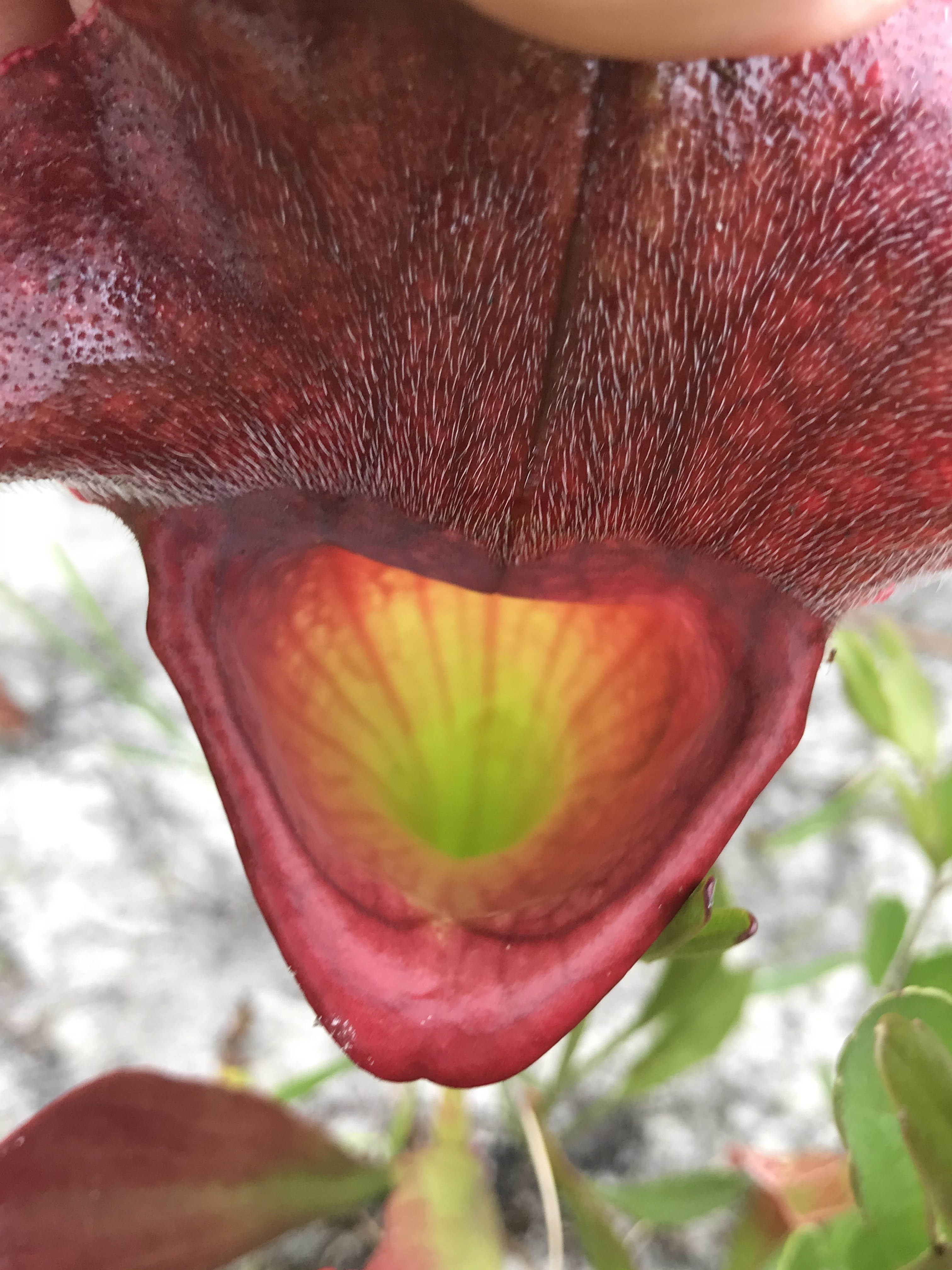
I’m not actually certain if it’s Sarracenia alabamensis ssp. wherryi or Sarracenia ×mitchelliana or a different hybrid between those. I’m not even sure if there is a name for all the potential hybrids. But it’s lovely and not one I see as often. It reminds me of Giger’s alien queen’s head.
On a separate side note. Though I imagine I’m one of the few that handles snakes, I know a handful of us handles lizards and amphibians. Or we touch multiple plants and mushrooms.
Few days ago while hiking I saw a guy in his 20s walking and he was holding two species of skinks in his hands. He set them down and then tried to catch a swamp snake. It got way and I told him he should wash his hands. He said he’s ok and building up his immunity and laughed.
So I told him it’s not him I’m worried about. Then it turned into a 10 minute education session where I explained to him that one thing we’ve learned from Covid, snd many times before, is that diseases from one animal can spread to another. That when he holds a snake or other animal, he may unintentionally come in contact with a disease, and then spread it to another snake. He realized what I was saying.
There are a few things that every hiker and outdoorsy person should be aware of.
-
Always wash your hands , or tools, after handling a for sure diseased plant or animal.
-
Wash your hands between handling different species.
-
When hiking from one park to another it’s good to spray down and clean your shoes. You can accidentally spread fungal diseases from walking.
-
Research the local 3-5 most common diseases in your area that’s affecting wildlife.
There are others but I’m tired.
5 Likes
I’ve seen pitcher plants used in gardens and have admired them. Nice to see them wheee they hail from.
3 Likes
Great to point out. I never considered that. Yike. Thanks!
1 Like
Yeah it’s pretty sad. Often people will object by saying well these diseases has always been there. But that’s not true and even for when it is there is more to the picture. We have definitely introduced tons of non native diseases into the wilderness. That’s how the Chestnut Blight got started. It was a non native fungal introduction to the NE that spread throughout essentially all of North America fairly quickly.
Then even for naturally occurring diseases within our native habitats the problem is the same for large cities. Large populations and small areas. Up until the last century or two there was a lot more wilderness. Populations was scattered out all across it. Now you may have a whole area that’s been reduced to just 10-20% of its older wild parts such as a nature preserve. Now a giant portion of the wildlife is confined to , or passes through, these wild spots and if one has a disease or parasites then it’s easier to spread from one to the next.
While some of these diseases are able to go from animals to humans the biggest concern for me is some snake or lizard being picked up that has a barely noticeable fungal disease. Then it’s handled and released and the person who did it has it on their hands even though it won’t affect us. But they will handle a handful of other snakes and lizards and pass it to them and it does affect them. Often when these animals are affected they are sicker , more sluggish, less observant and more likely to be caught.
Same issues arise with plants. A plant disease may naturally lie very slowly. But someone may touch an affected leaf and then touch 30 other plants that day and spread a disease from multiple ones for miles and miles on a hike.
2 Likes
Yes, that’s really good to keep in mind. Emerald ash borer has killed most of our ashes here, after the elms have gone; oaks are getting a kind of mildew, too. I wonder what our forest will look like in couple of decades.
On top of that salmonella isn’t something to sneeze at (from reptiles), just in our own cases. Maybe it will reinforce how careful we need to be with other things. However, I think I’ll start taking Purel with me on walks to avoid transferring fungus, etc among the plants, now Thanks.
1 Like
Of course, what doesn’t kill you makes you stronger. Just realized that while that is really not true for individuals, might actually work for populations…
2 Likes
They hail from along the Mullica River in New Jersey’s Wharton State Forest, too, I remember from a canoe trip a little over half a century ago.  That was a bit before smartphones with cameras.
1 Like
It’s also what causes extinctions. To me it’s similar to saying if I dump oil in the gulf what survives was meant to.
1 Like
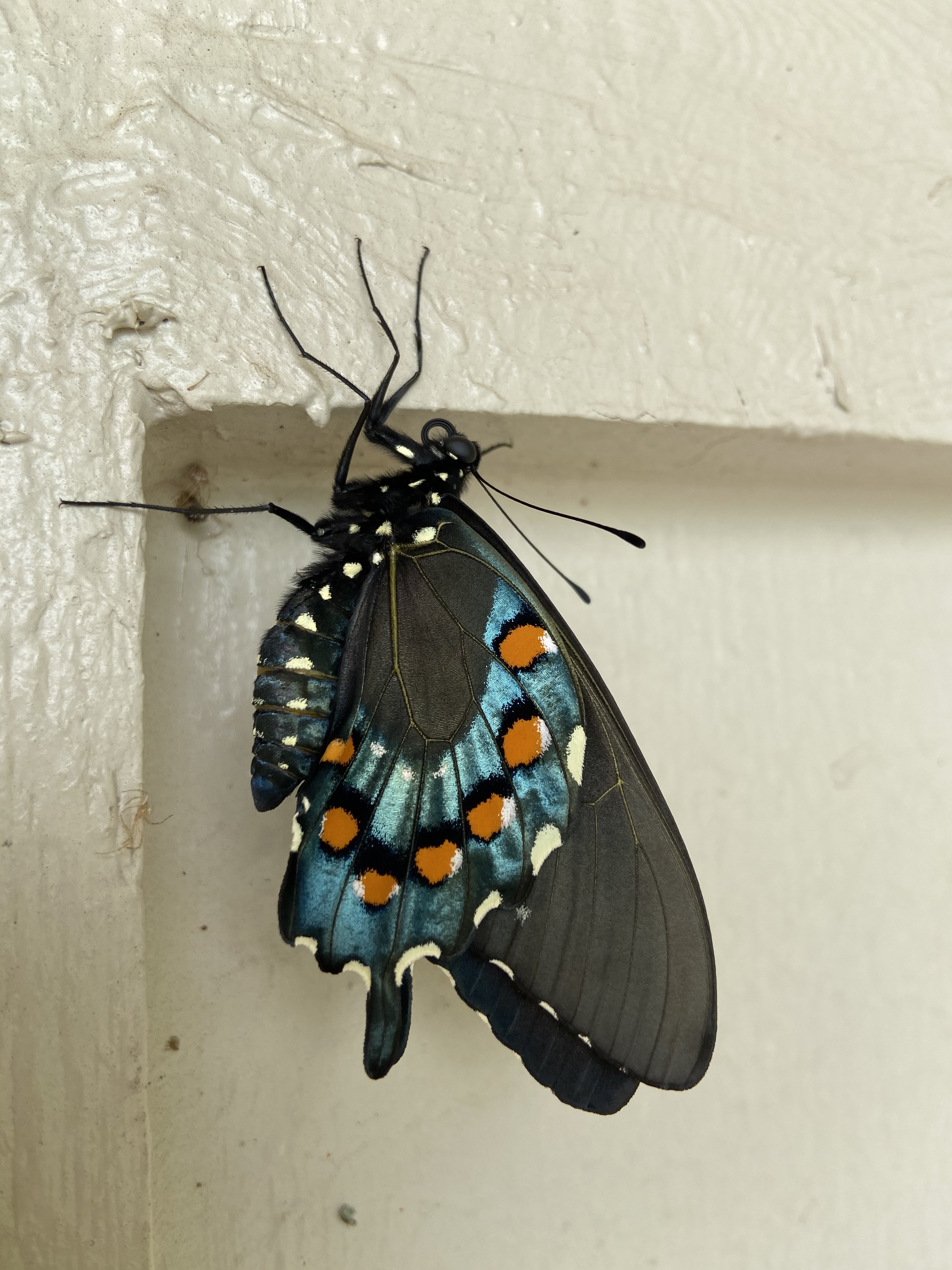
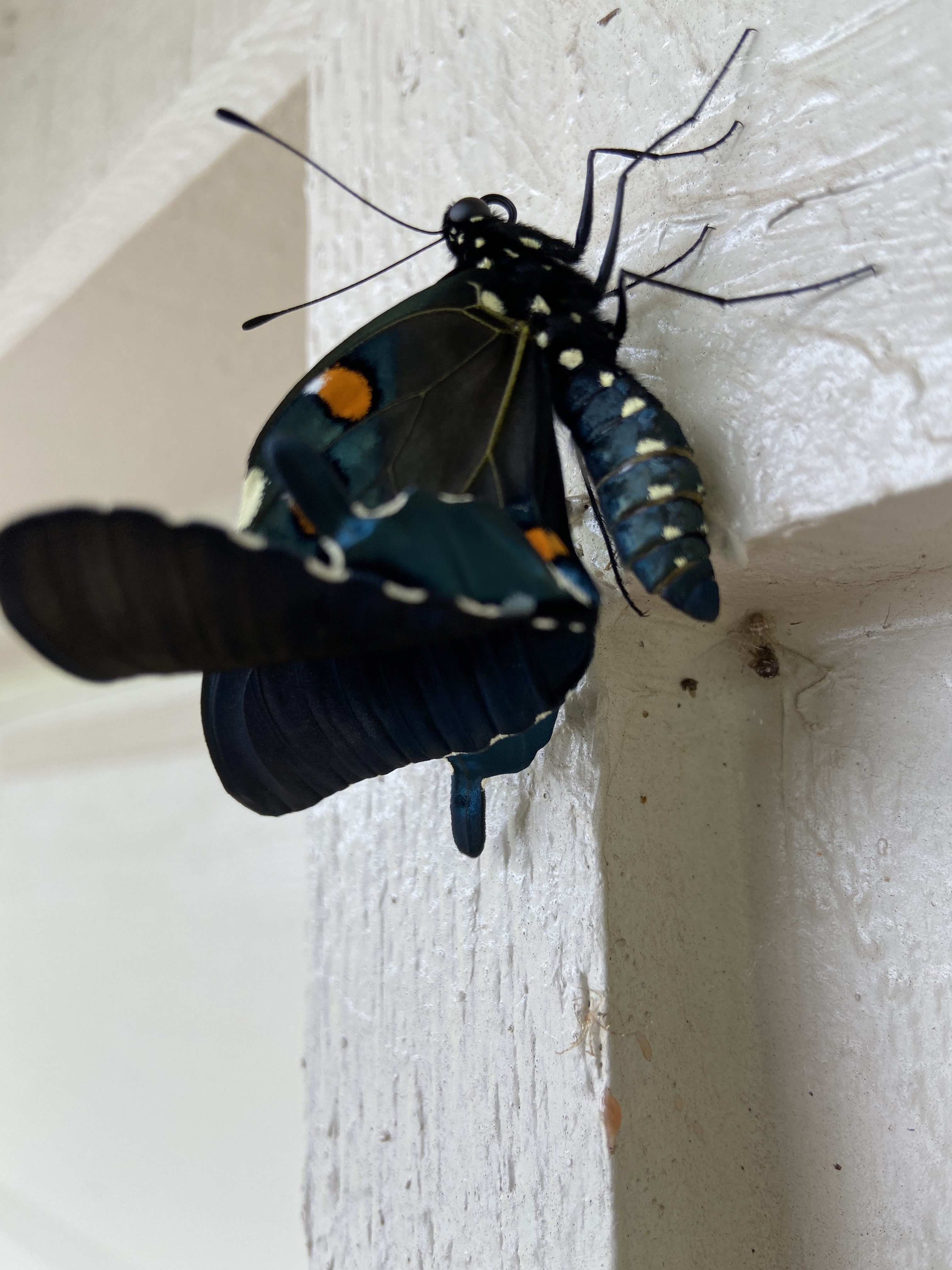
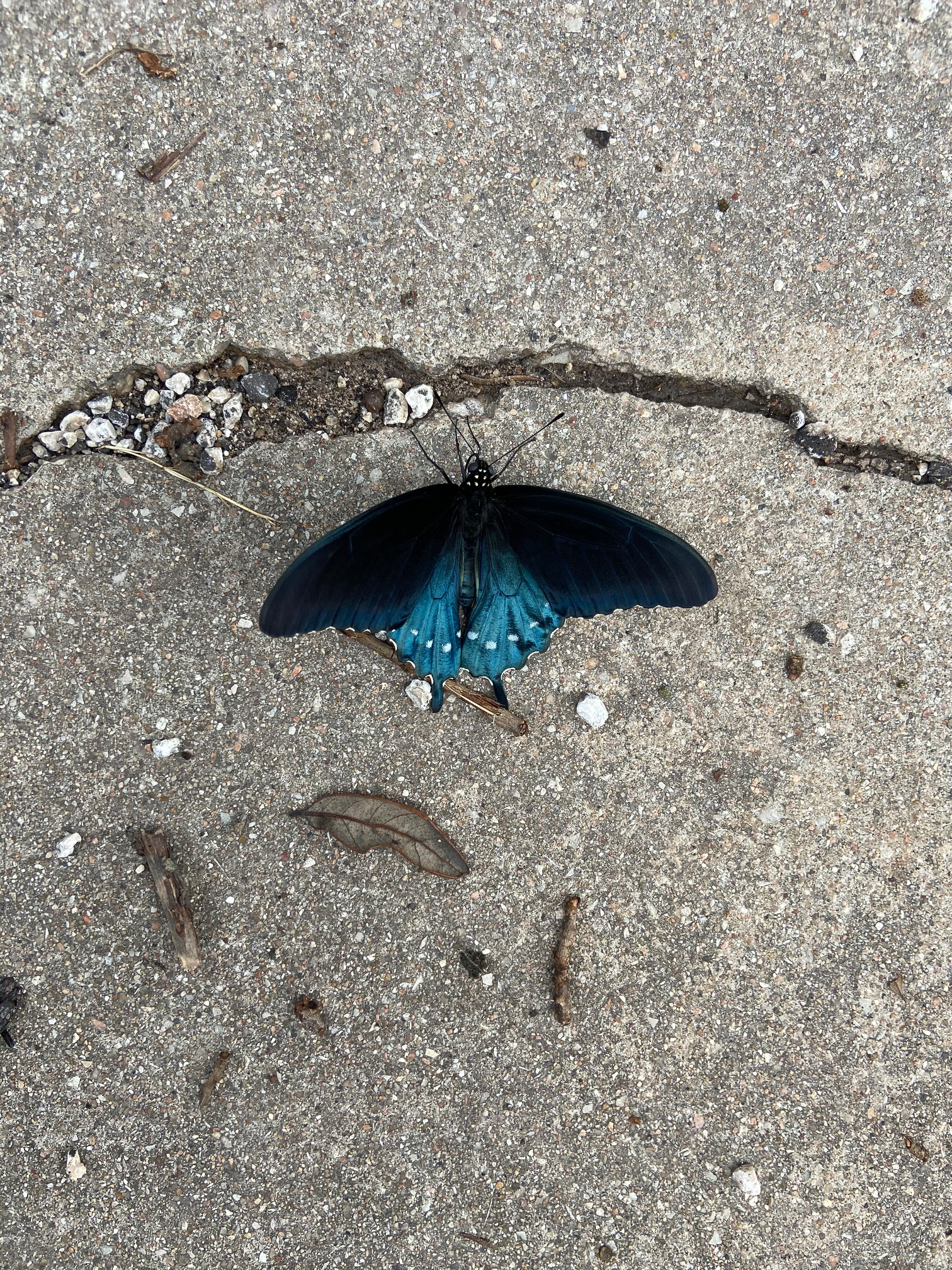
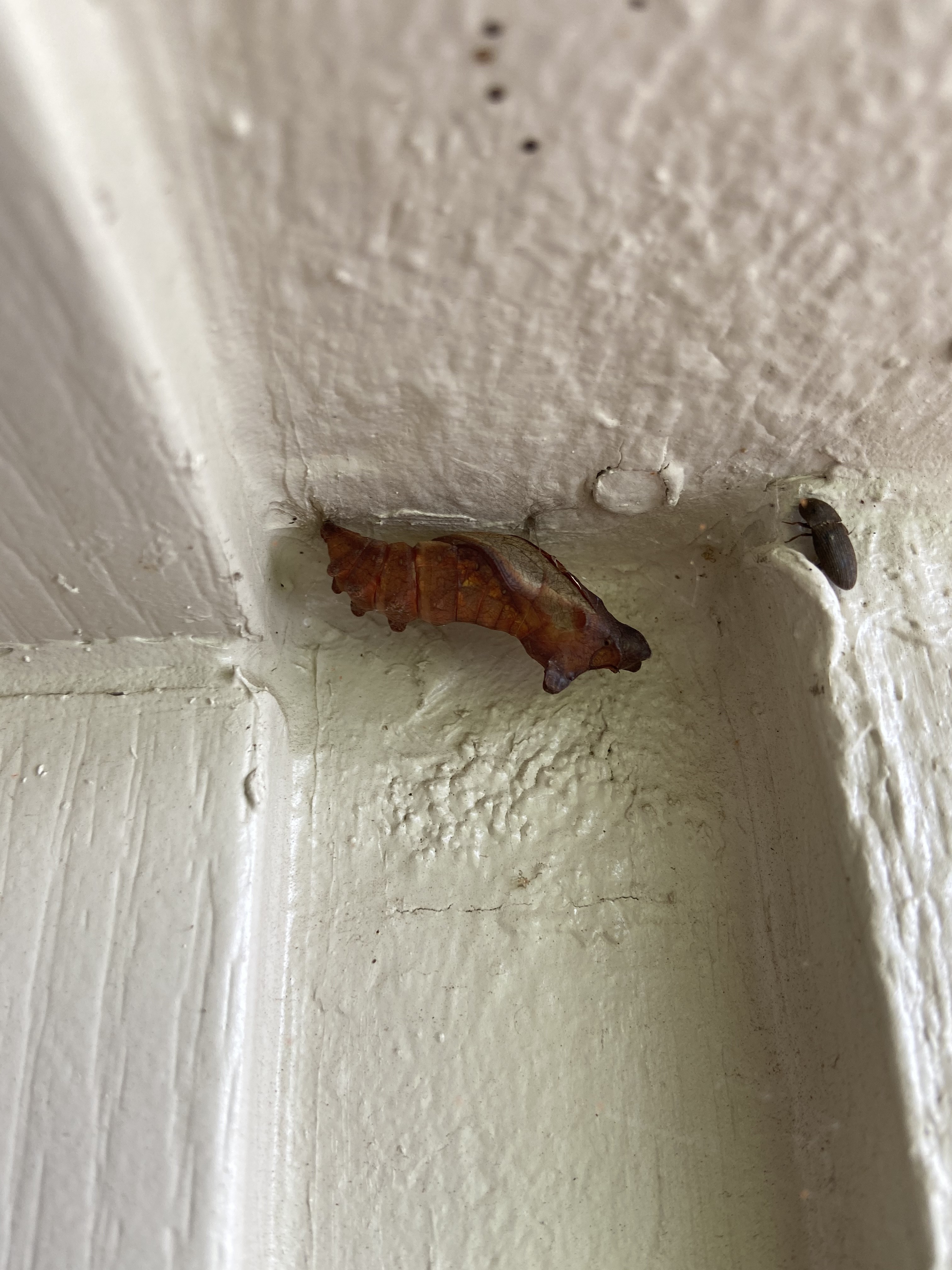
Pipevine or blue swallowtail. I saw it drying and stretching its wings shortly after emerging from its chrysalis, seen in one pick, and finally fluttering around, trying to find its wings
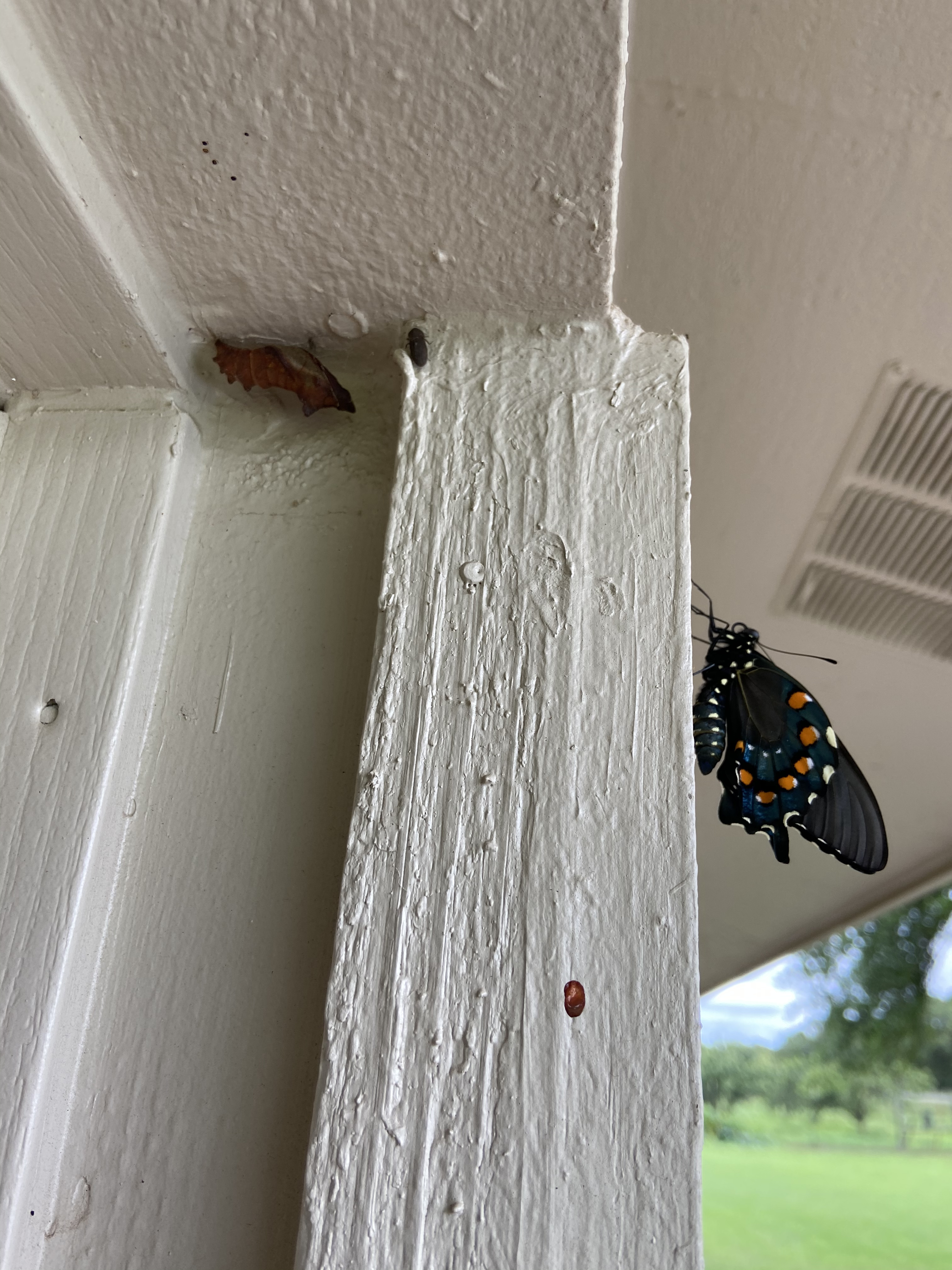
5 Likes
I’ve only ever seen one of these in my garden three times. I’m growing the local pipevine plant now and hoping one day to witness something like this. Thanks for sharing!
2 Likes
Nice!
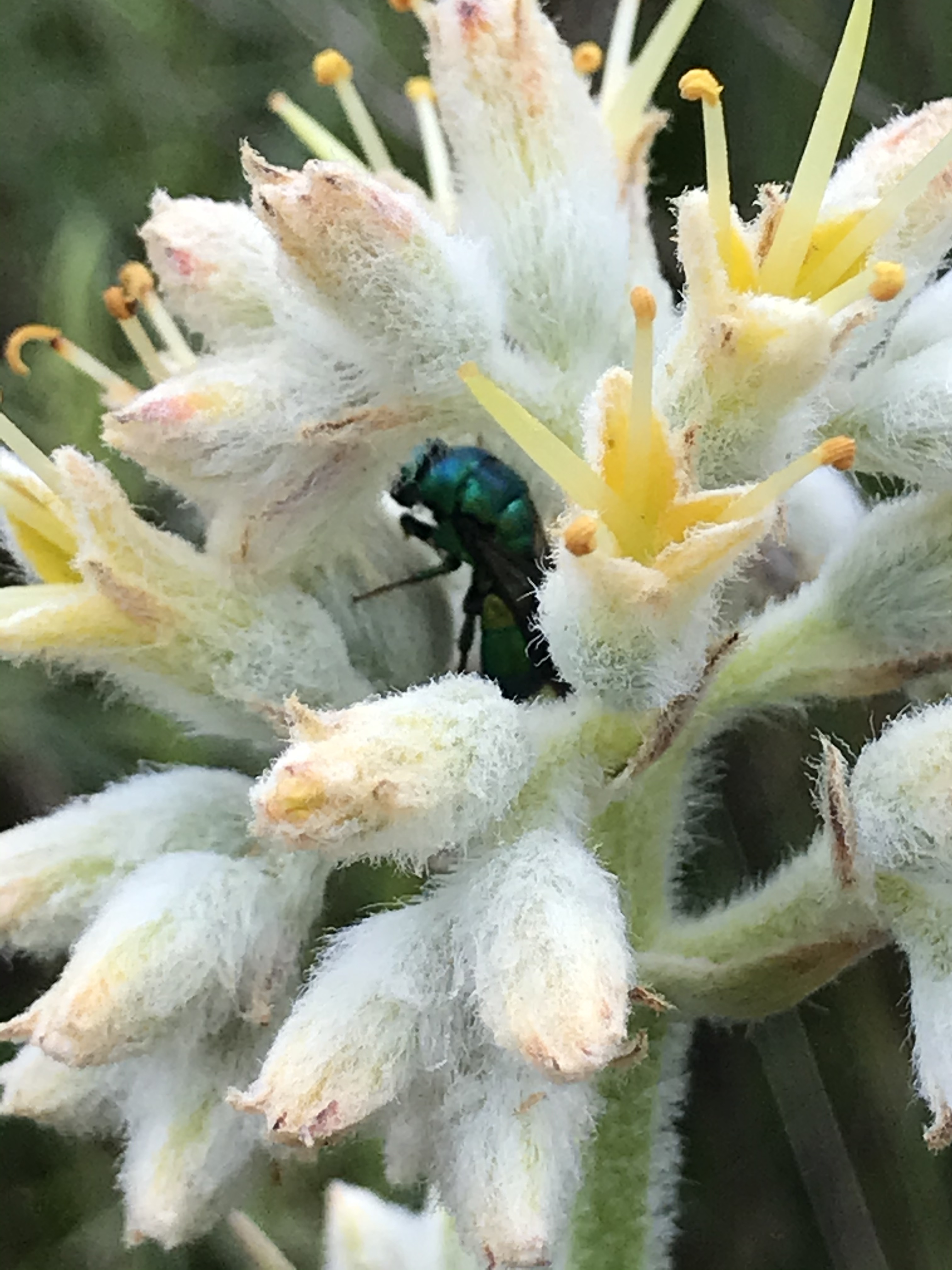
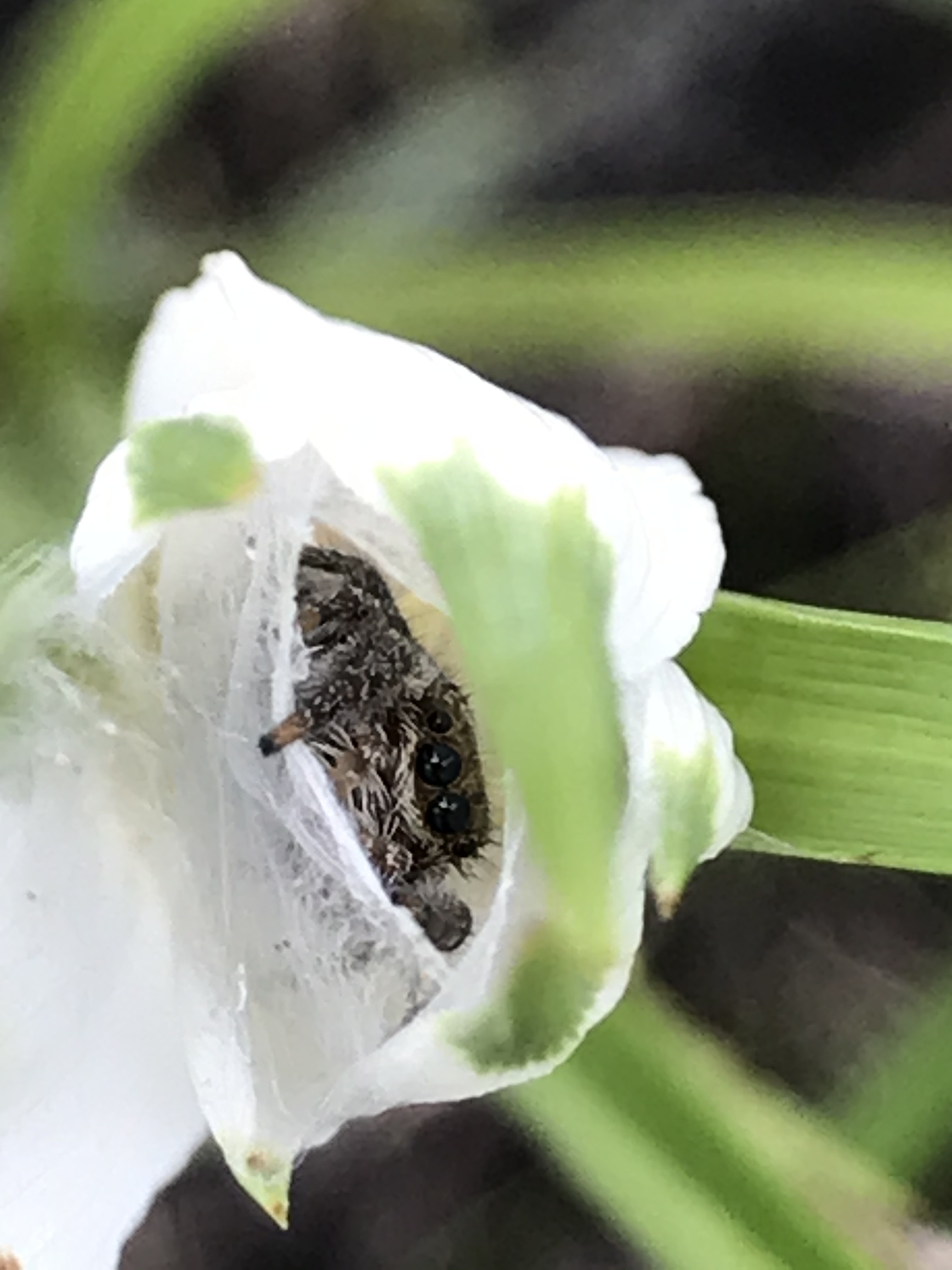
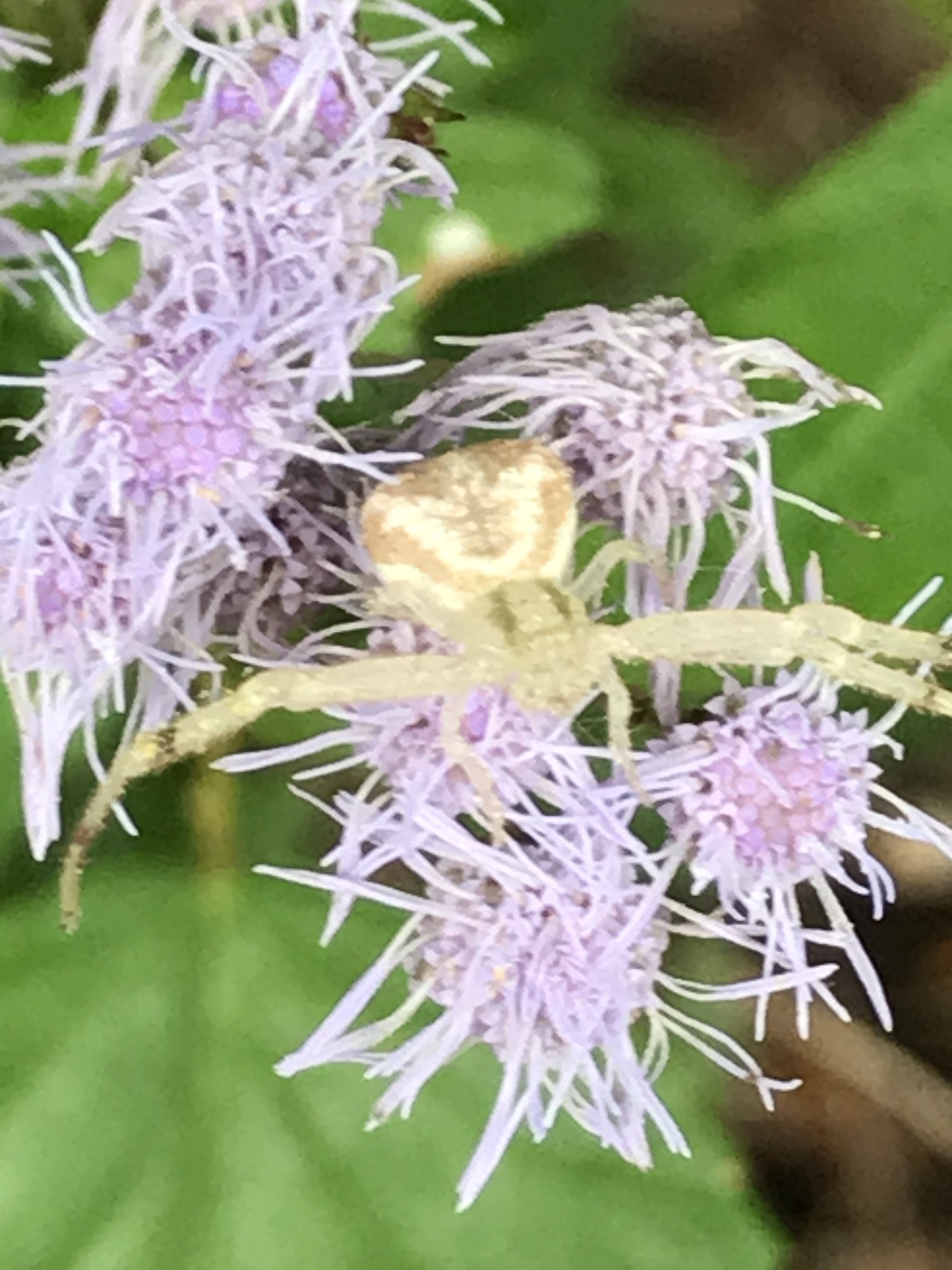
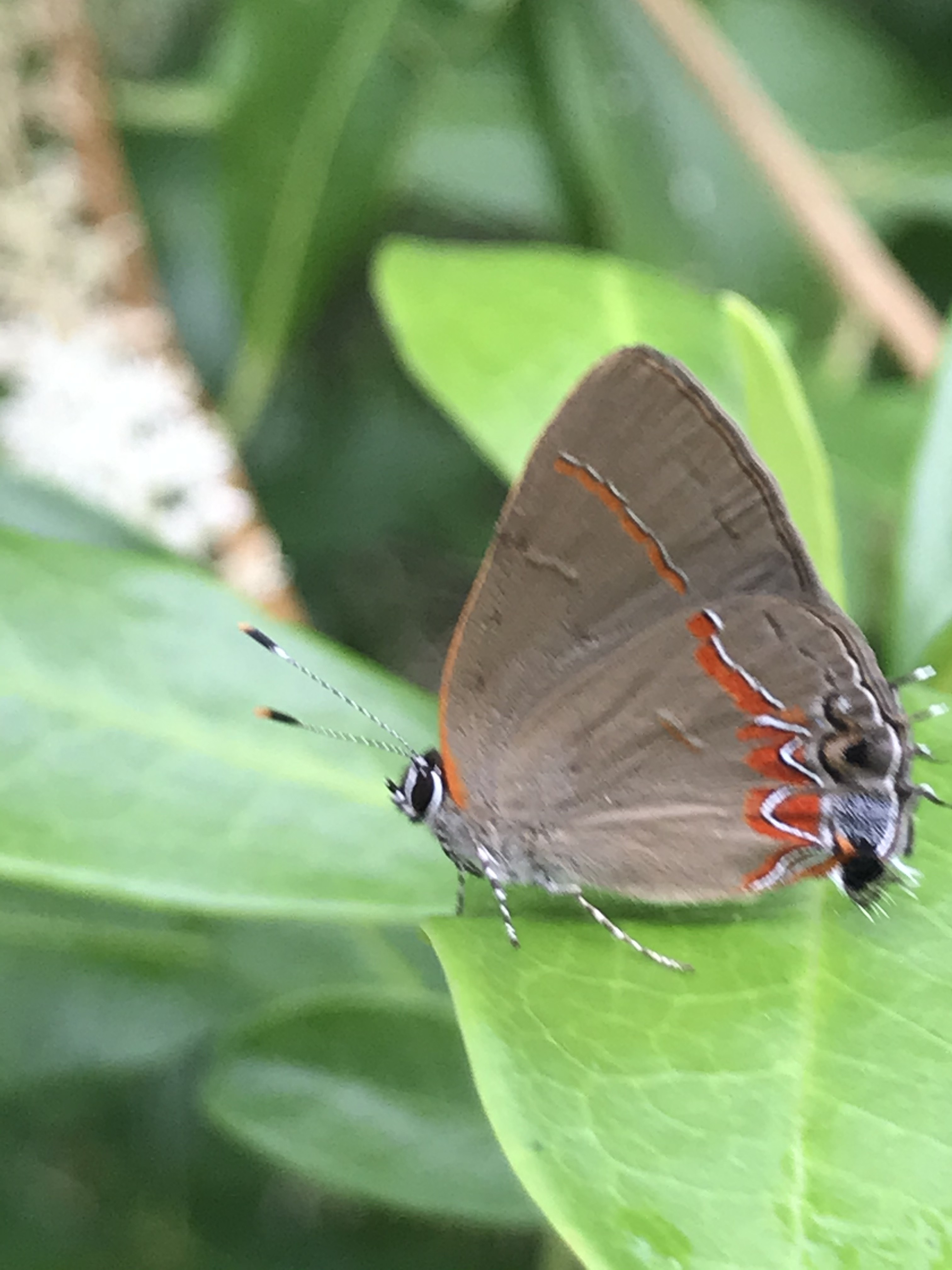
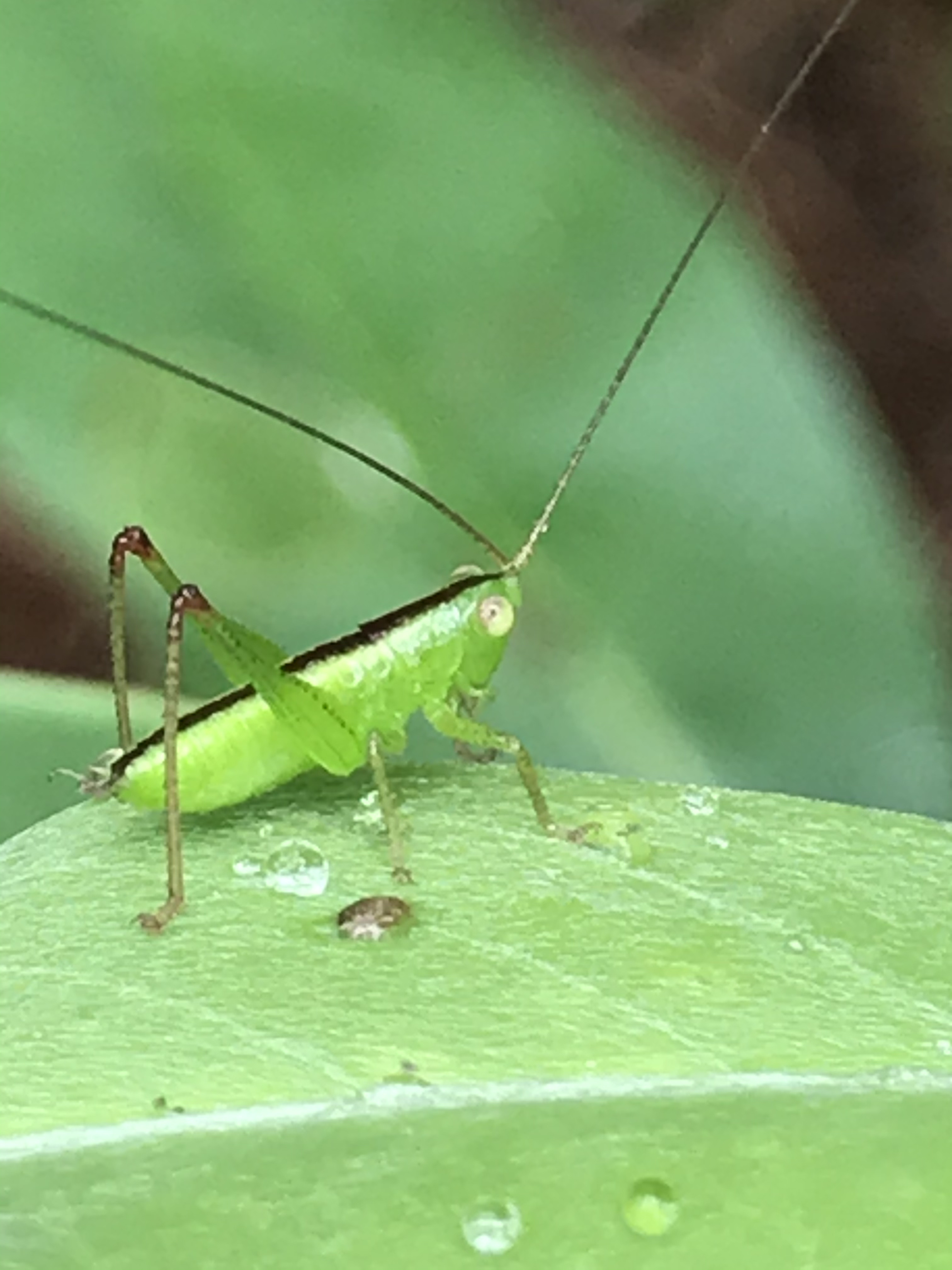
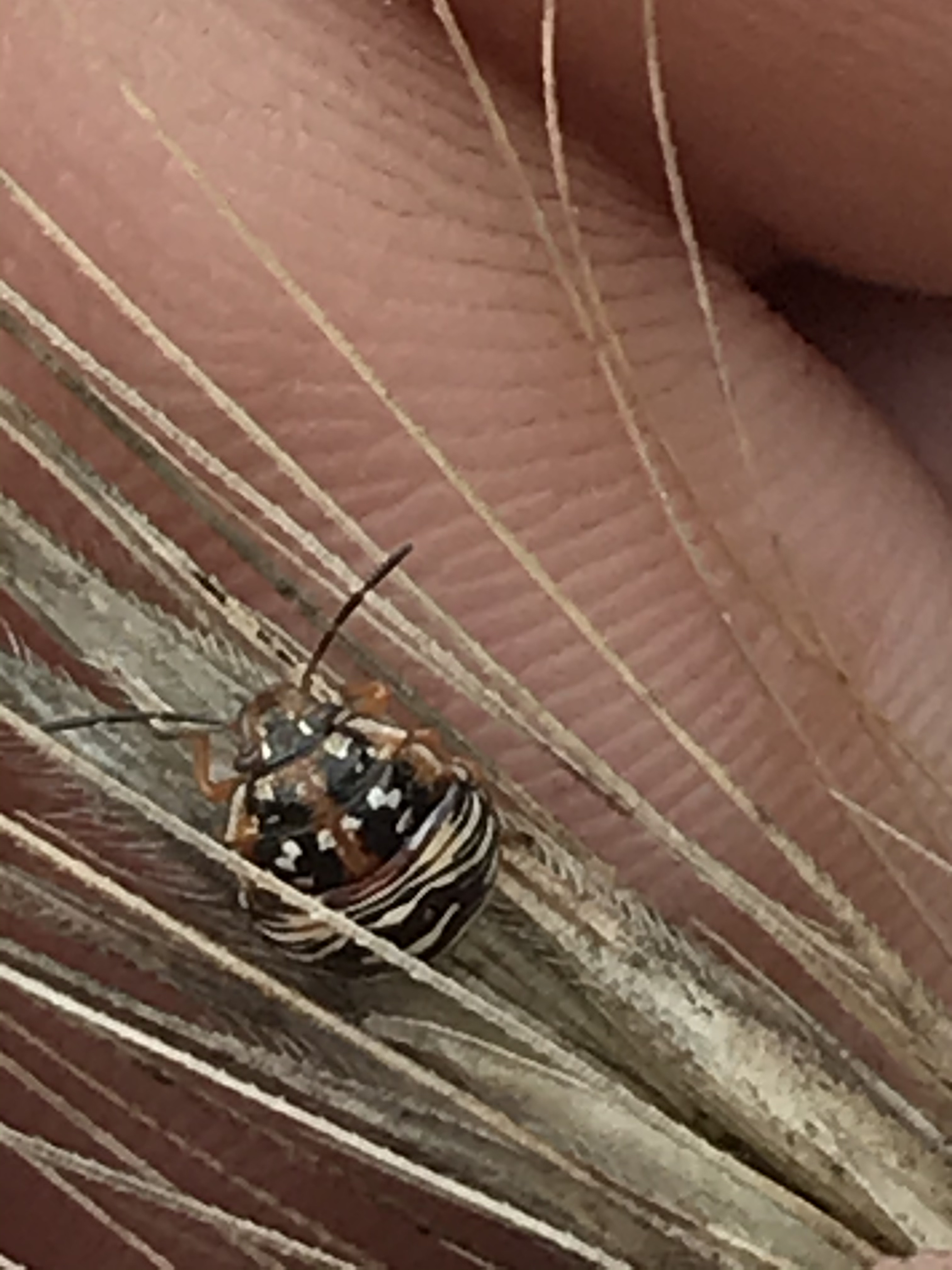
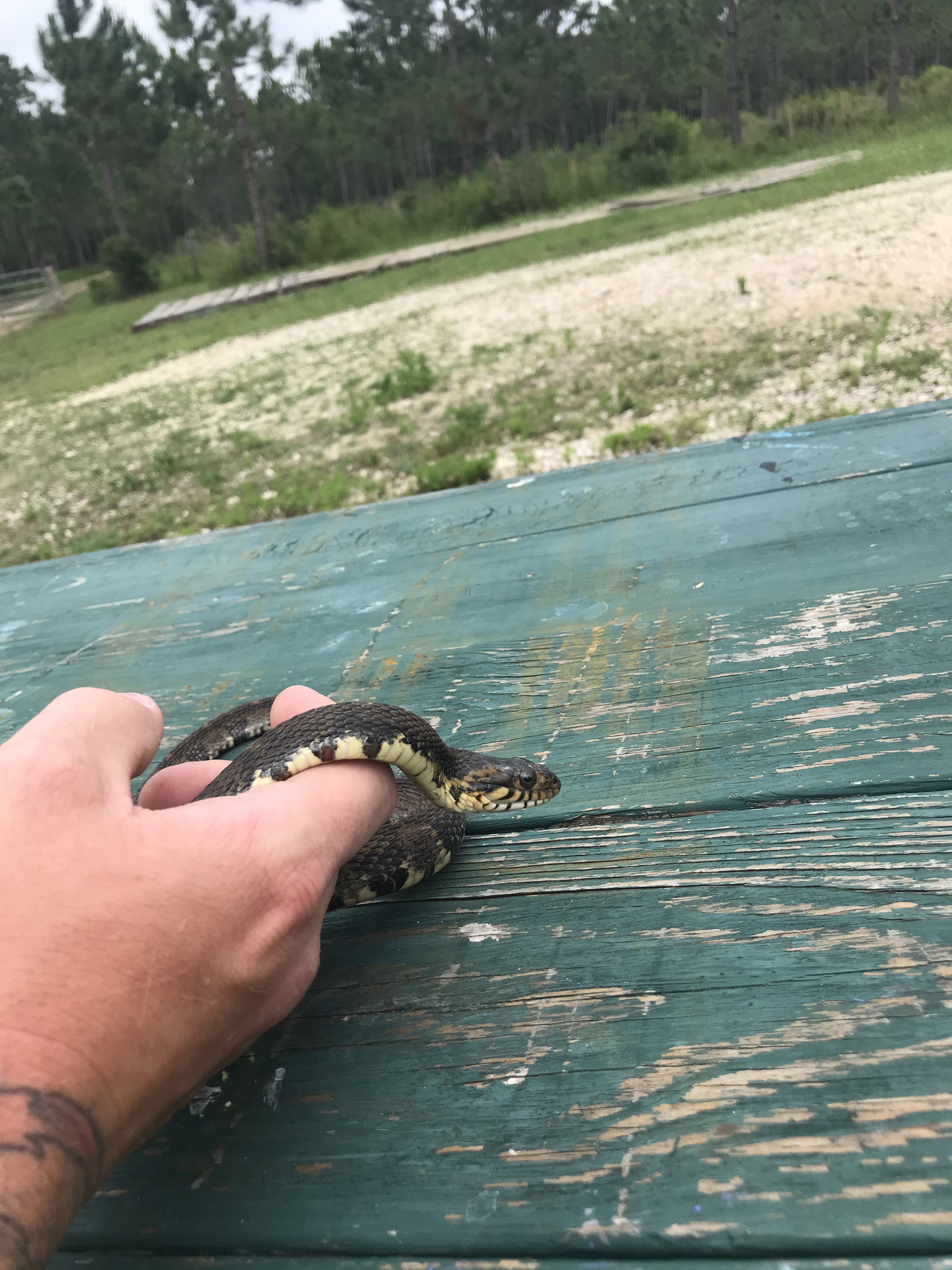
- Some kind of green sweat bee most likely.
- A spying little jumping spider.
- White banded spider.
- Not sure of butterfly species.
- Grasshopper nymph I imagine.
- Not sure. Probably a beetle of some
Sort.
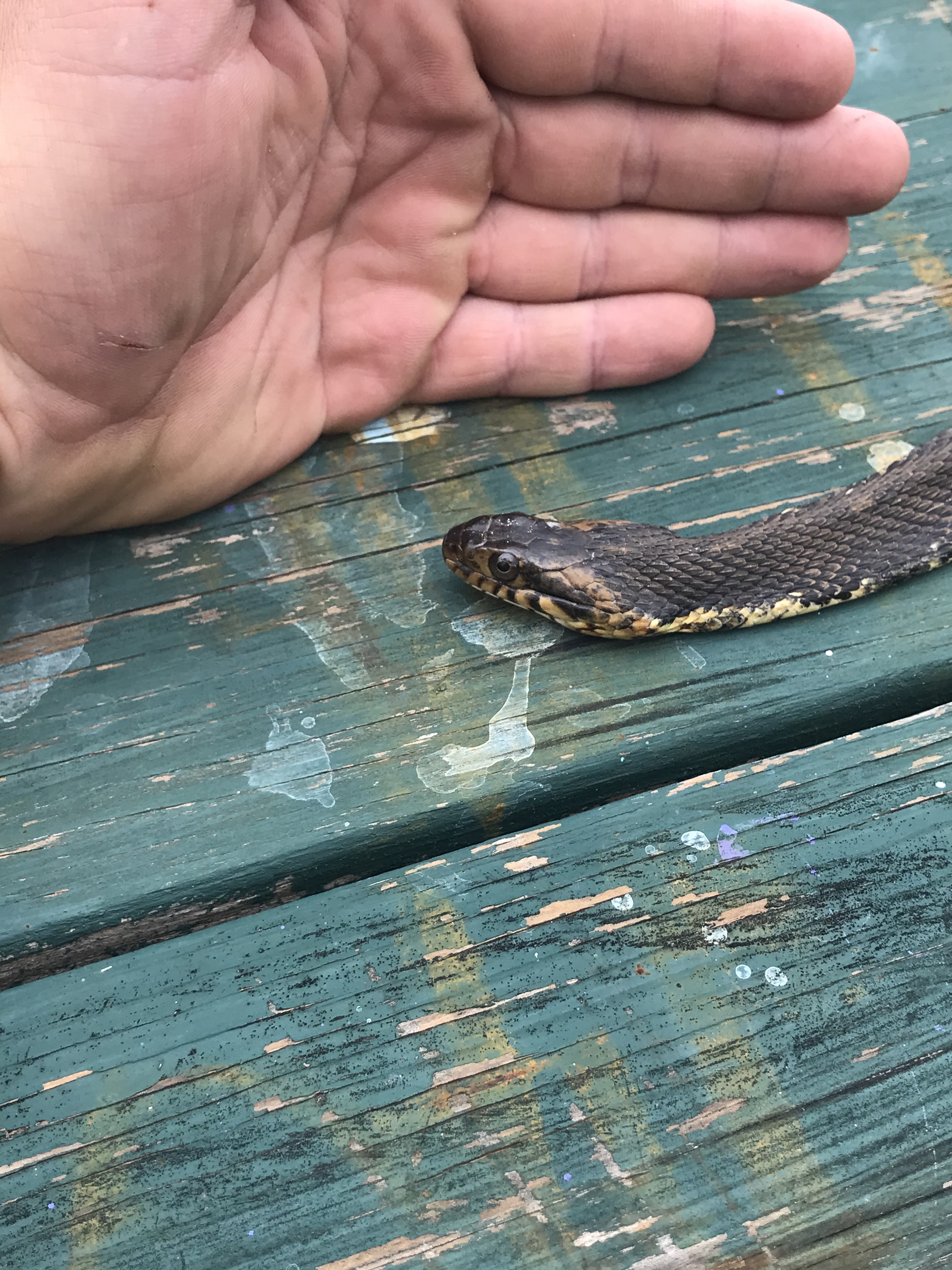
7/8. Broad banded water snake that seemed hurt.
1 Like
Thanks. What’s a “green sweat bra”?
…“Endless forms most beautiful” sure do show up in your neck of the woods, don’t they?
1 Like
I typed Green sweat bee and then I saw it changed to what I though said green sweet bae and so I changed it to green sweat bee and did not notice it changed to bra. Even typing this for no reason it changed notice to “deal it” .
1 Like
Oh, that’s funny! thanks for the smile. Have a good night.
“Endless Forms Most Beautiful” at first made me think of one of my favorite albums by Nightwish which is one of the few bands I listen to when I listen to music.
But yes we are blessed to have lots of biodiversity. But there is a lot all over. Many people just are not good at spotting it. What is helpful to me is that I first learned and continue to learn plants. So leaf shape and color and even buds stand out to me. As I’m walking up to a tree I don’t know my mind is instantly looking for leaf shape, leaf position, bud lengths and so on. Same for forbs and smaller plants in general.
If I see what looks like 2+ leaves pulled together closely I know that something with silk of some sort is holding it together. If the leaves around the silk is munched on a lot I can presume it’s probably a caterpillar and if almost no leaves are munched I am often certain to see a spider. If I see a leaf and all the others are fairly straight and notice one is handing down or bent at the tip that it’s probably a caterpillar underneath it holding onto it. Since I’m familiar with many of the local native flower forms when one is off it stands out like a sore thumb to me. Same with color and shades. Even if a indent is the size of a asian ladybug when it’s red, yellow or a different shade of green even than the leaf it often catches my attention. Plus additionally I am often up close to plants and tracing them out looking for anything.
1 Like
You posted a wonderfully diverse collection of forms from the animal kingdom. Here are some images I took 5 years ago on a garden tour to San Diego to represent the plant kingdom.
A flower from a special Eucalptus tree.

An interestingly patterned succulent.

A very large planter with cactus and succulents.

A collection of wonderfully colored bromeliads.

But this one was my favorite color of the bromeliads I saw.

And this one was in bloom.

3 Likes