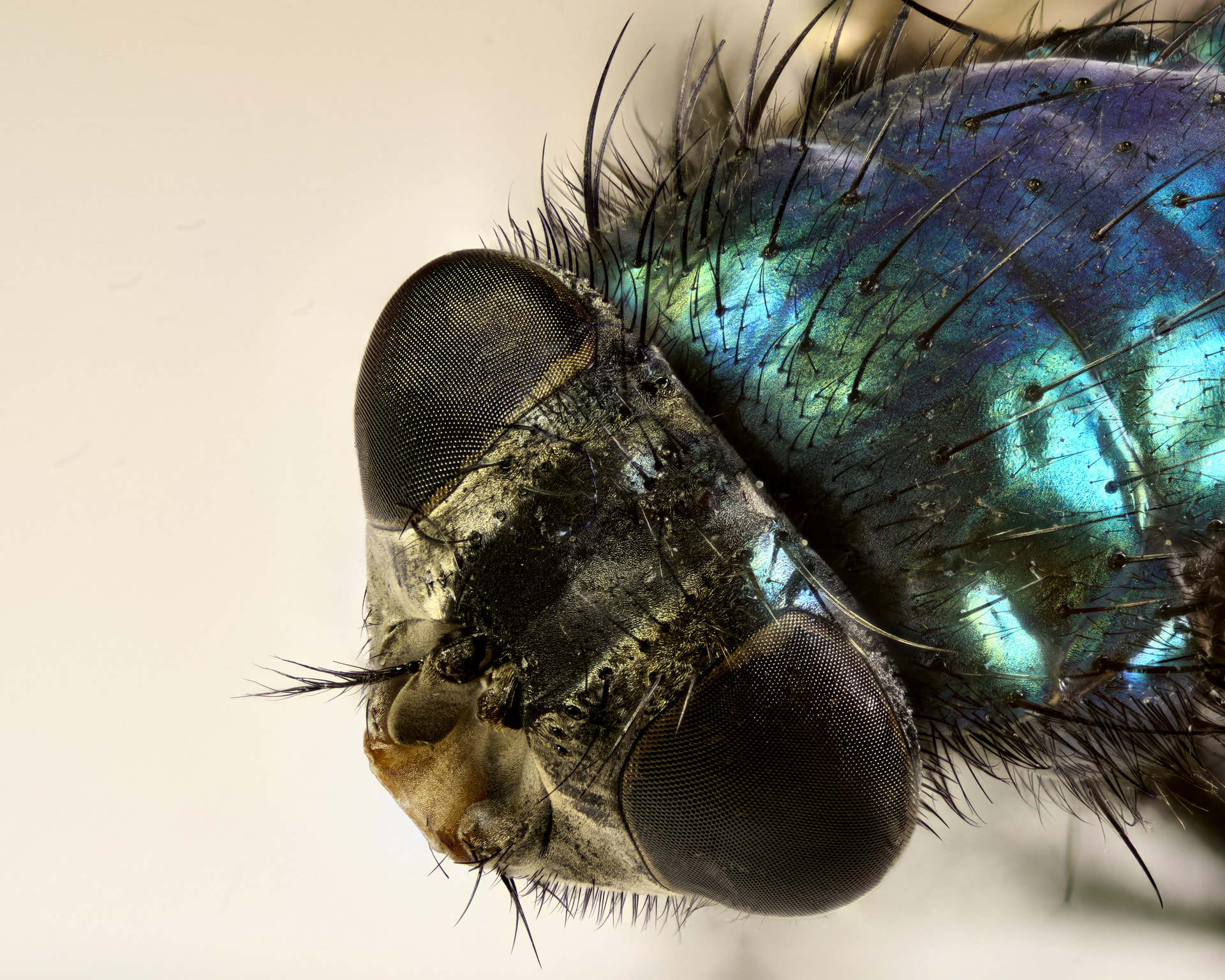
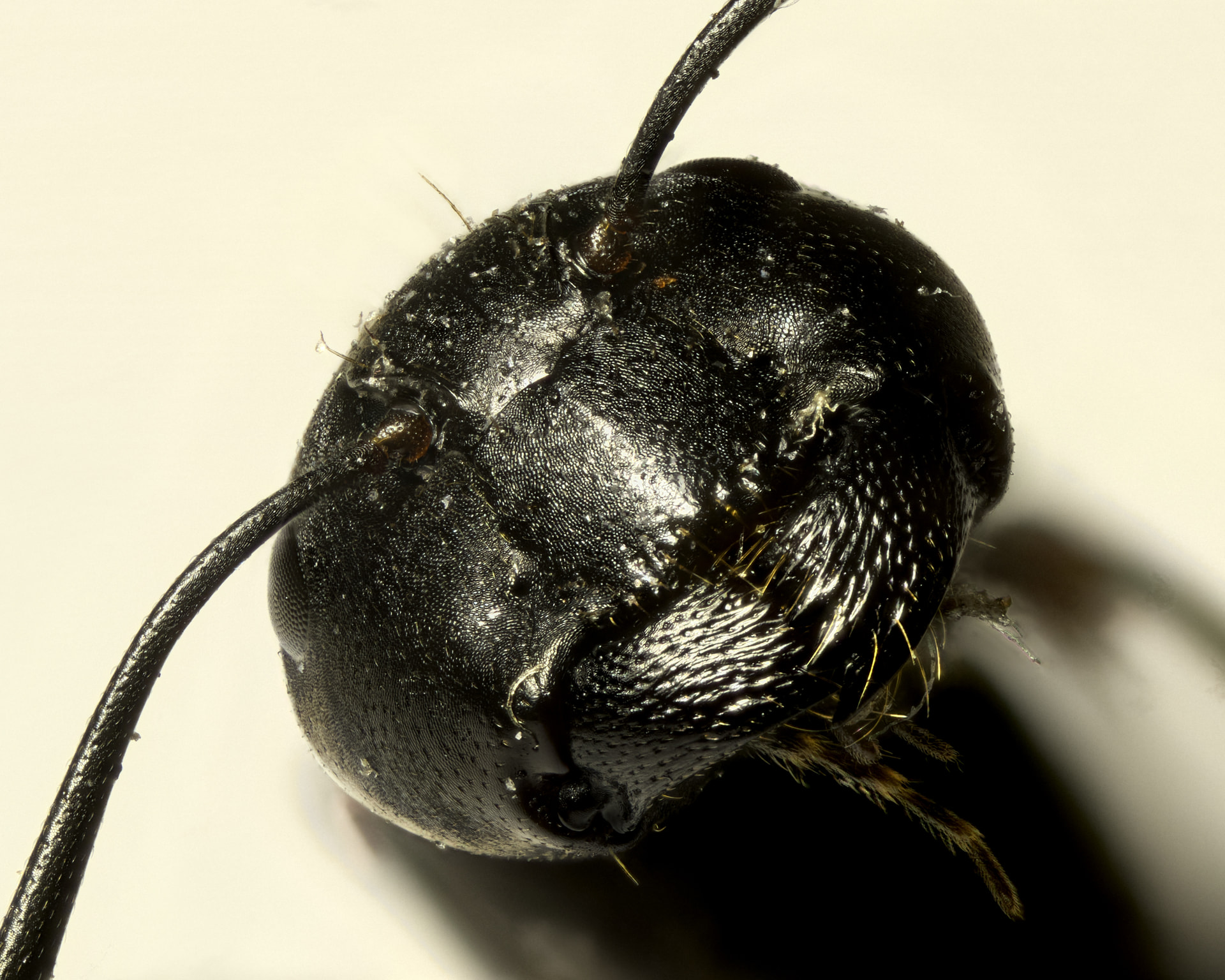
Last and definitely least (at least size-wise), I found a couple of dead insects about the house, so I thought I’d see what my macro setup could do with them. The results are not pretty but they’re interesting. Here’s a fly I found on a windowsill, a little disheveled from being dead for a while and from having been through an alcohol bath to try to get some of the dust off it. (Most of the dust I had to edit out afterwards.)
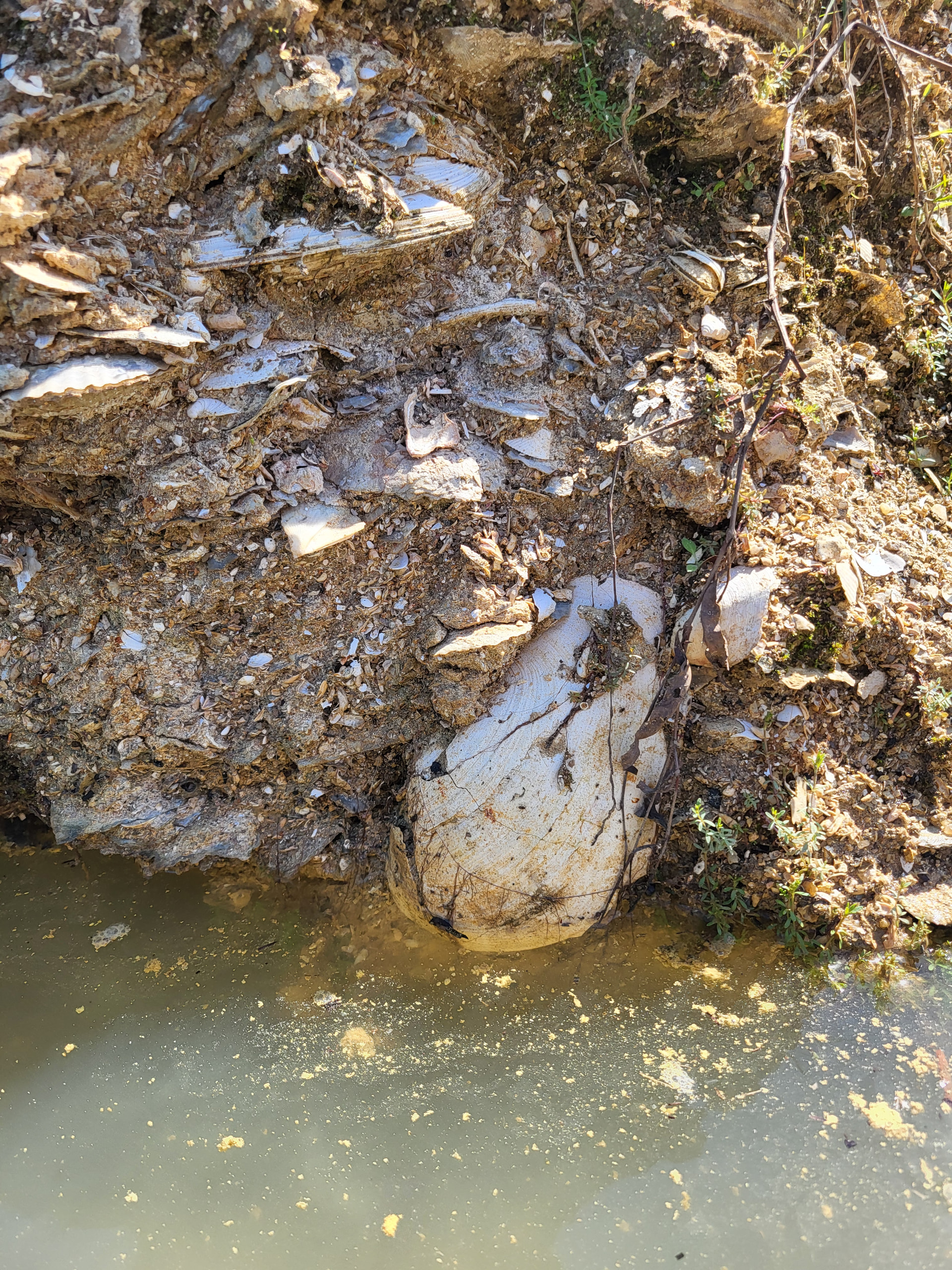
Lower Pleistocene fossil mollusks in northeastern South Carolina. The large clam just above the modern water level is a geoduck (Panopea), a very deep burrower preserved roughly in life position.
Actually, gooey duck is the standard pronunciation. Somehow the written and pronounced attempts at rendering the native American name into English were not well-coordinated.
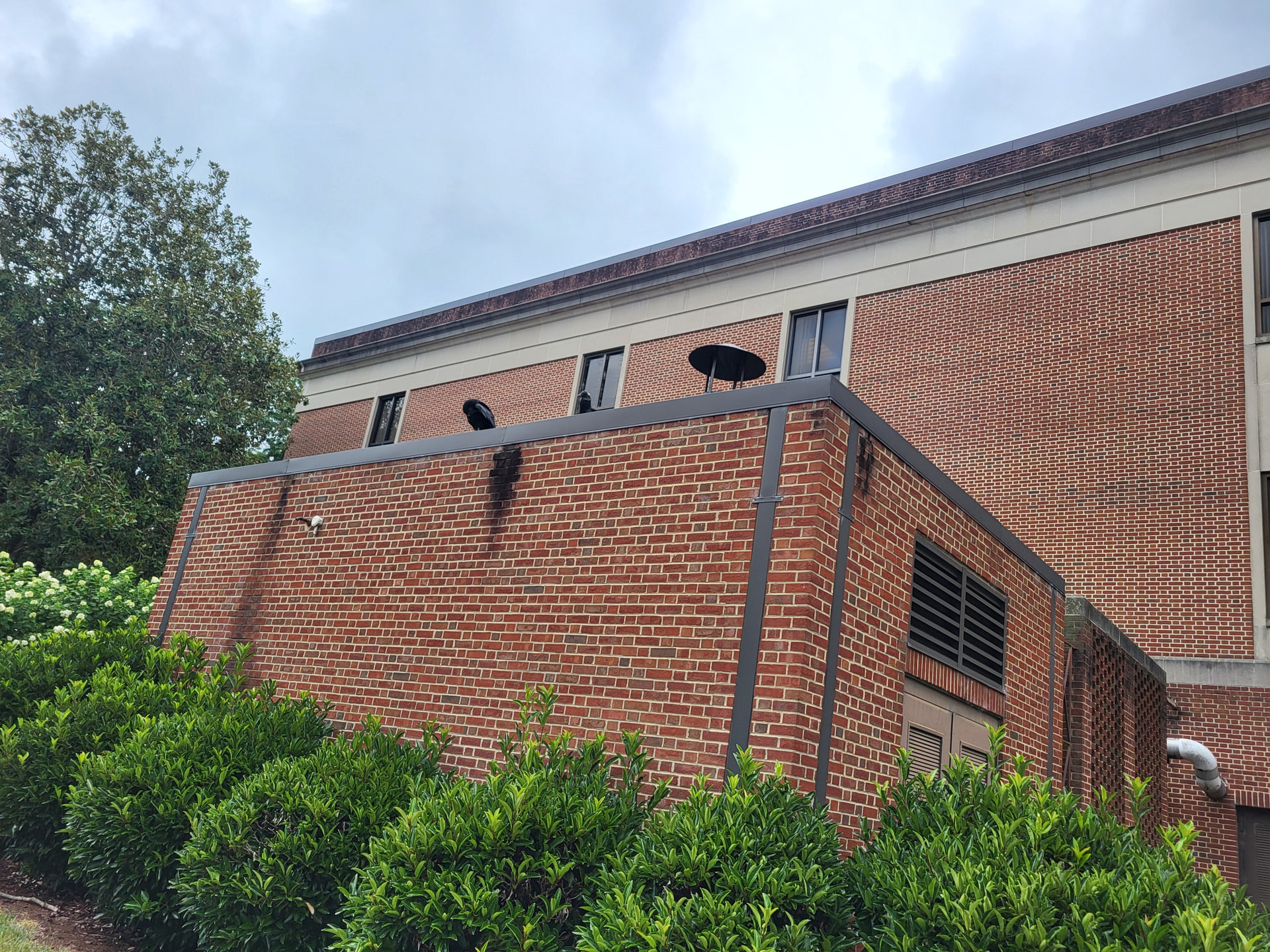
I was outside the other morning, and saw a flock of black vultures, probably 20-30 fly by. They started circling about a quarter mile away, and as I watched, slowly rose, just riding a thermal up with no flapping of wings, drifting upward and as the thermal evidently drifted back towards me at the higher levels, their circle also drifted back until they were quite high, then individuals started breaking off, evidently to search for the plat du jour.
As a birdwatcher, I often watch such use of thermals. Sometimes the birds manage to lift up so high that they disappear from sight - a small dot disappearing into the sky, like it would reach the firmament and slip through a hole in it. Fascinating dinosaurs!
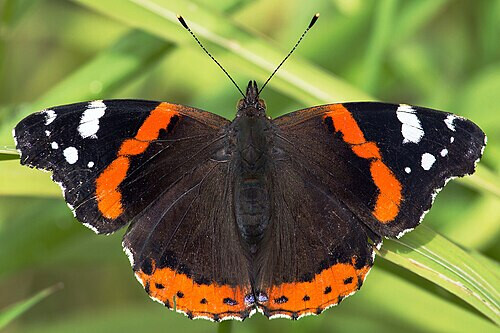
Once while watching up a thermal, I saw a tiny dot appear and start to drop like a leaf from the sky. It dropped with small circles until it landed close to me. It was a Red admiral butterfly. Probably had traveled with high air currents, possibly even thousands of km, until it decided to drop and land. Butterflies can also be quite fascinating, being able to utilise air currents for long distance migration although they have very tiny brains. They have summer holidays in the north and winter residences closer to the Mediterranean where temperatures do not drop to freezing conditions.
During the last days, there have been several of these butterflies in our yard, waiting for the winds to turn. When the north wind starts to blow in September, they rise high and glide with the wind towards their winter residences. One reason to wait for suitable winds may be that they have to first cross a wide gulf of the Baltic sea, with no possibilities to stop for resting. Better to sail than swim.
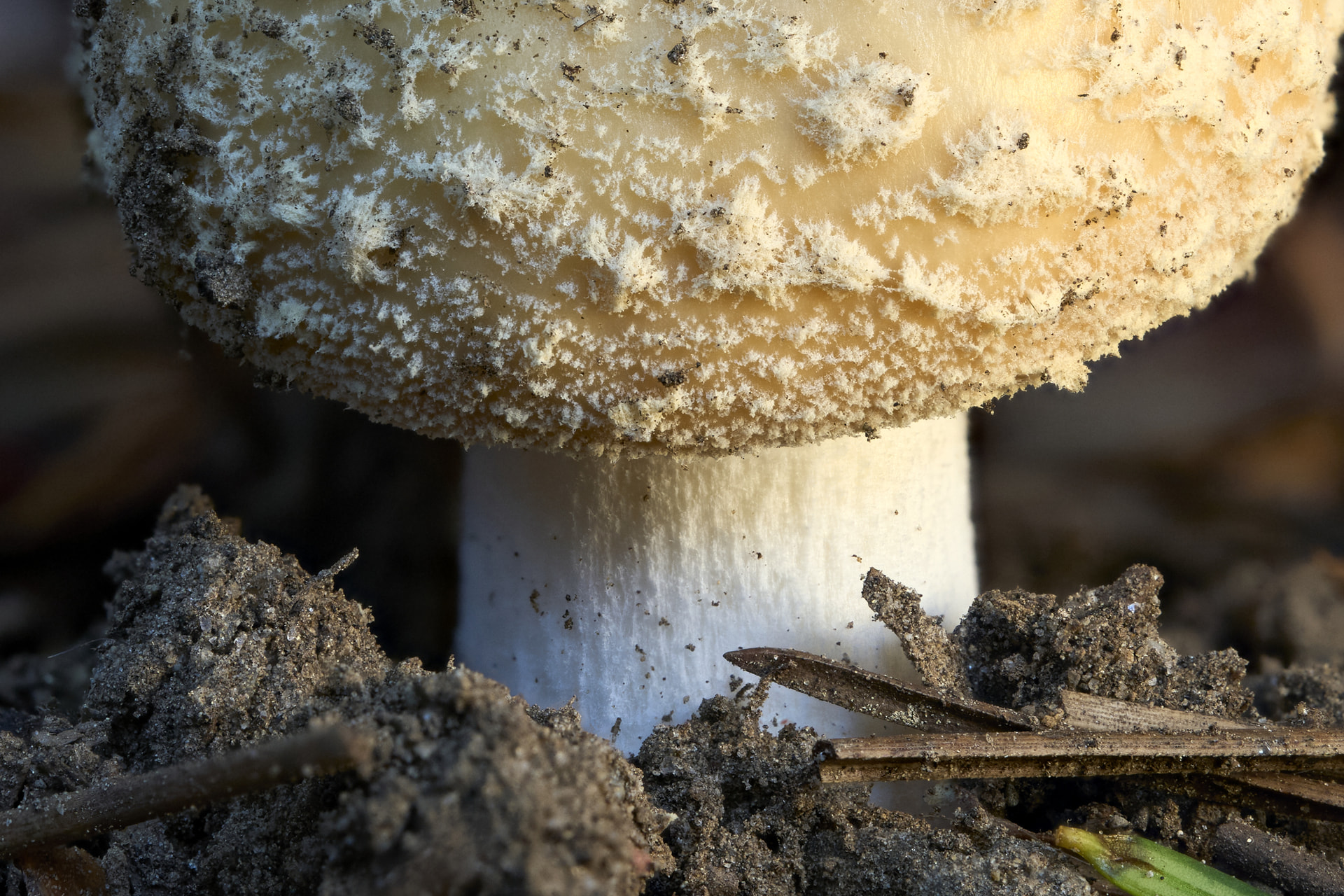
Or this mushroom. The picture (or rather, stack of pictures) I took was of the whole mushroom, but I decided I’d like it to center attention of the stalk emerging from the soil.