Rapid has to be the most overused adjective in YEC. To make a cave in YEC timelines, start with rapid biogenesis of calcium carbonate by plankton, which disregards headaches with photosynthesis, kinetics, and ion concentration, and that sort of stuff. Once you have pumped out the required kilometers deep calciferous deposits, invoke rapid dewatering, and promptly follow with rapid lithification. To get to inland caves, the next step is rapid geological uplift. Once you have your limestone where you want it, all that is required is rapid erosion and dissolution, and lickity split, there is the cave.
In reality, each of these separate steps requires geological time. But this is just the >>start<<, as there are features in many caves which themselves require the subsequent passage of time after the cave has been formed. @Joel_Duff highlighted one such instance in a recent YouTube.
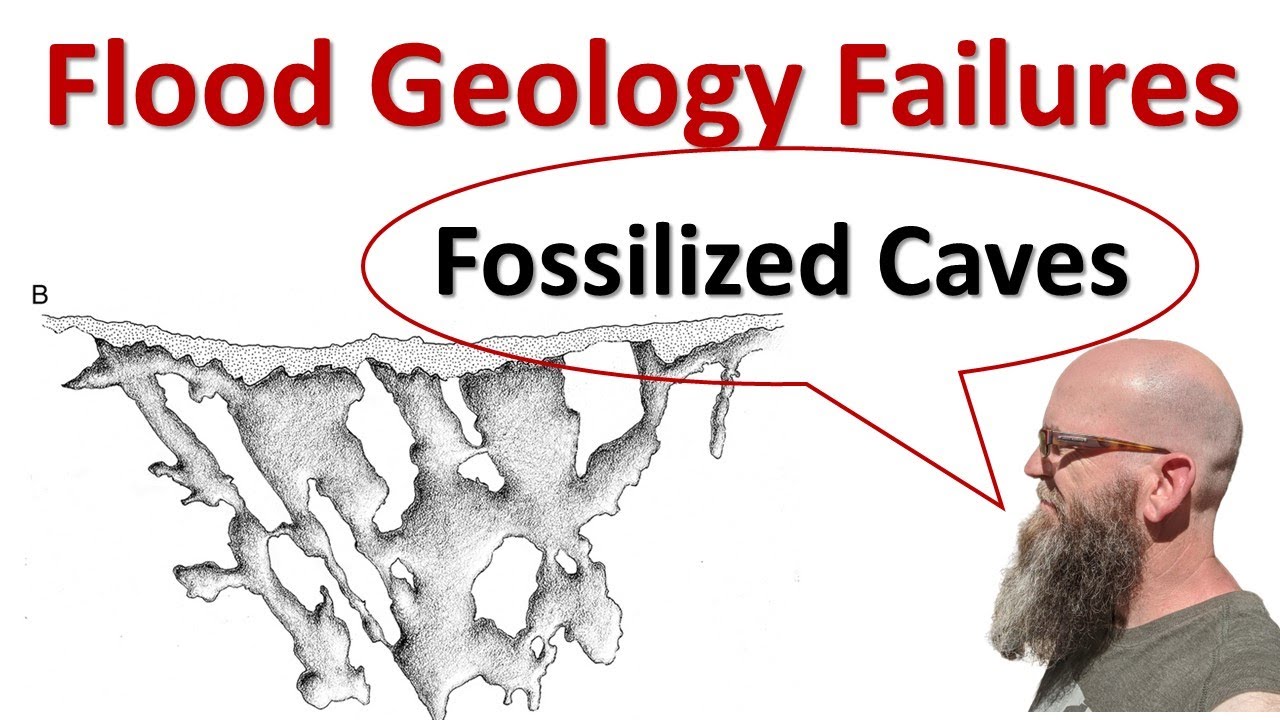
The site is a limestone quarry operation that operated for over a century. As removal of limestone continued mudstone was exposed, which was commercially worthless and set aside. It became evident that material had filled in a cave which had existed in the limestone, creating a cast mold of its caverns. The infill is chock full of exquisite fossils of early permian vertebrates.
All this adds to the timeline crunch. On top of all the “rapids” needed just to arrive at uplifted limestone, yet more is required to account for the erosion and dissolution to create the cave, then fill the cave with ingressed dirt and unfortunate critters, and then lithify the sediment, fossilize the remains, and throw some overburden onto the future quarry. But I suppose in for a penny, in for a pound.